
Selection and Application Guide for End Rubber Tubes
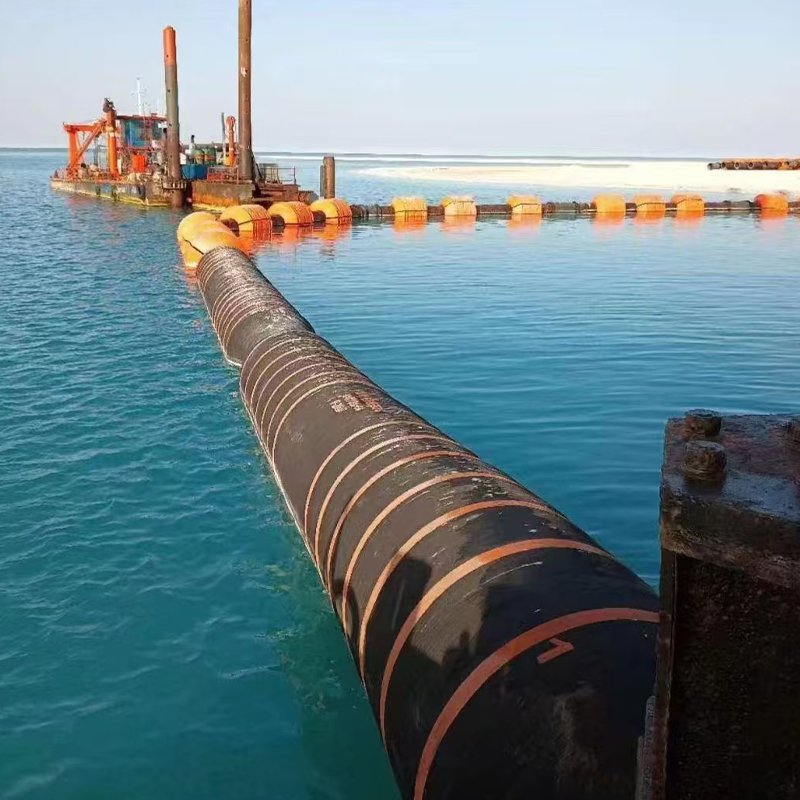
End rubber hoses\” typically refer to hose fittings where the ends of the rubber pipes have undergone special treatment or possess specific structures to optimize connection, sealing, and durability. According to search results, these products have various characteristics in terms of structure, performance, and applicable scenarios. The following table summarizes several common types of end […]
Classification of Dredging Rubber Hoses
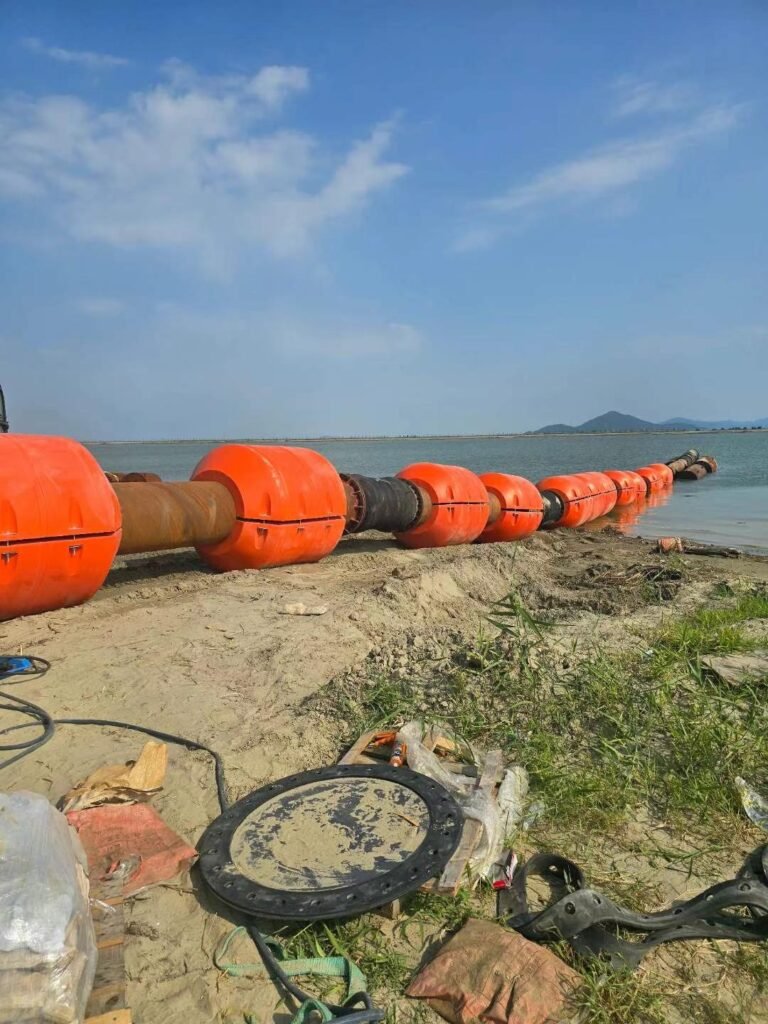
Regarding the classification of dredging rubber hoses, we can make detailed divisions from multiple dimensions. Dredging rubber hoses are mainly used in projects such as waterways, ports, and land reclamation to convey slurry containing abrasive materials like silt and gravel. Therefore, their structure, materials, and design are significantly different from ordinary rubber hoses. Here is […]
Detailed Explanation of the Structural Composition of Rubber Expansion Joints
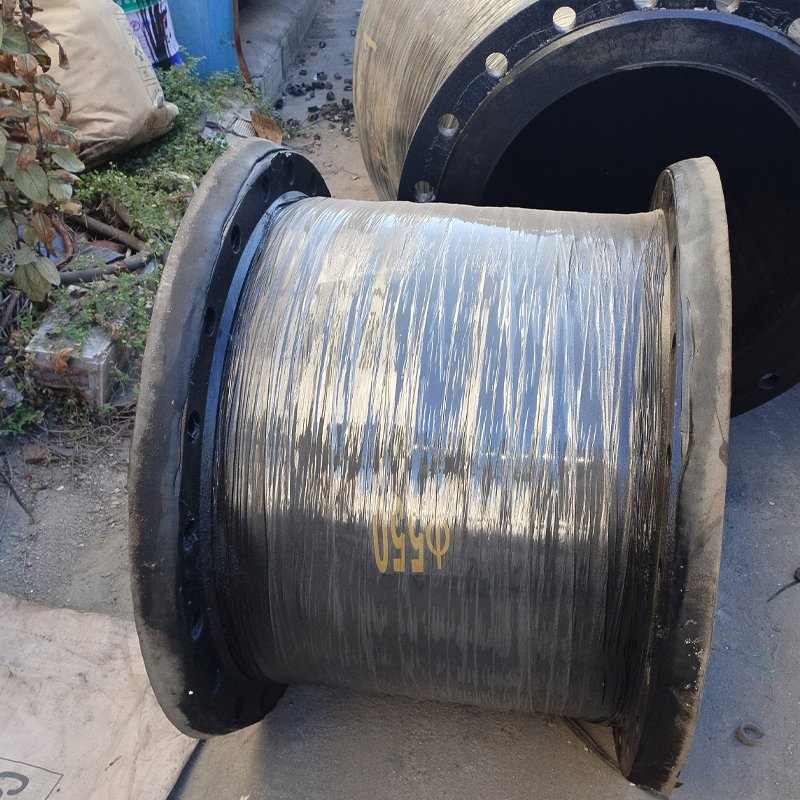
Rubber expansion joints, also known as rubber flexible couplings or vibration dampers, are flexible connection components used in pipeline systems. Their core functions are to absorb displacement (axial, lateral, angular), reduce vibration and noise, and compensate for installation errors. Their structure mainly consists of the following parts, which we can understand from the inside out […]
Structural and Functional Analysis of Tapered Floating Hose
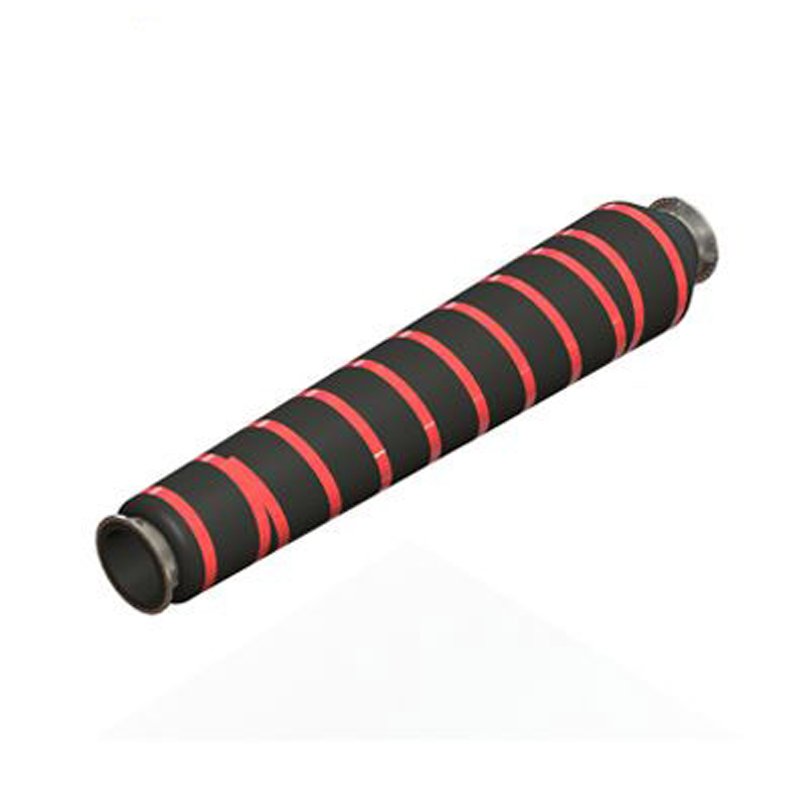
Tapered Floating Hose (Reduced Diameter/Conical Floating Hose) is a specially designed marine oil transfer hose, mainly used to connect pipelines of different diameters. Particularly in single-point mooring systems, it is used to connect the thicker main pipeline hose with finer hoses or tanker pipelines. Its core function is to achieve a smooth transition of pipe […]
Analysis of the Outer Rubber Layer of Self-Floatable Rubber Hoses
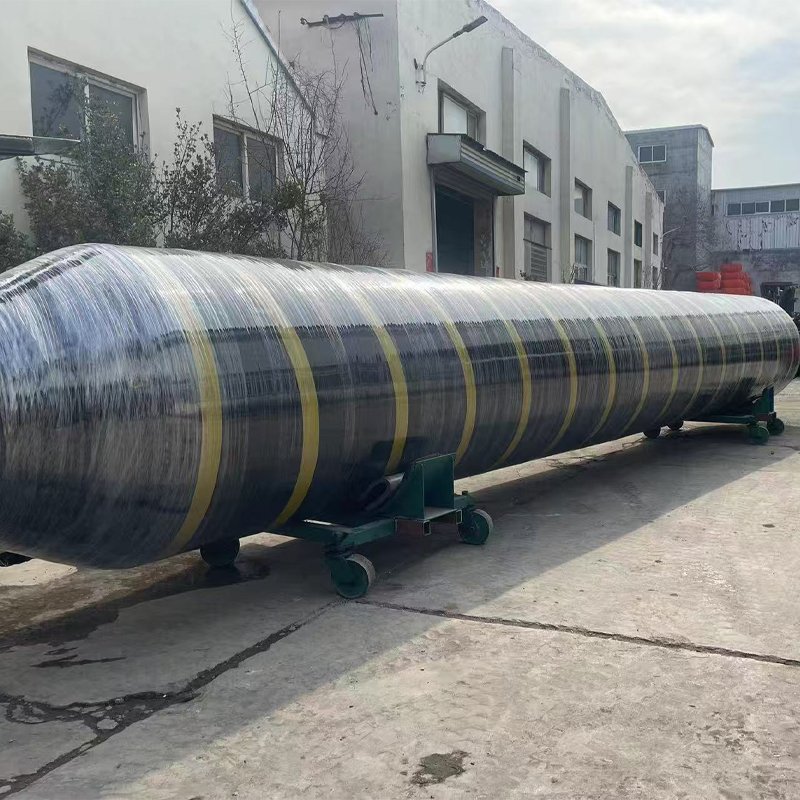
The outer rubber layer of a self-floating rubber hose is a critical component that protects the hose body and resists external environmental damage. To help you quickly understand, the following table summarizes its core information: | Characteristic Category | Specific Description | |————————-|———————-| | Main Materials | Chloroprene rubber (CR)-5, Synthetic rubber-6, UV-resistant synthetic rubber-9, […]
Analysis of the Reinforcement Layer of Self-Floatable Rubber Hoses

Self-floating rubber hoses are flexible pipes commonly used in fields such as water transportation of oil and water. They float on the water surface relying on their structural design (usually a foamed buoyancy layer). The reinforcement layer is the ‘skeleton’ of the hose body, serving as the core component that withstands various loads such as […]
Detailed Explanation of the Inner Rubber Layer of Self-Float Rubber Hoses
The inner rubber layer is one of the most core and critical functional layers of self-floating rubber hoses. It directly contacts the medium being transported (usually water), and its performance directly determines the service life, transportation efficiency, and safety reliability of the hose body. I. Main Functions of the Inner Rubber Layer 1. Medium Conveyance: […]
Analysis of the Structure and Function of Self-Floatable Rubber Tube
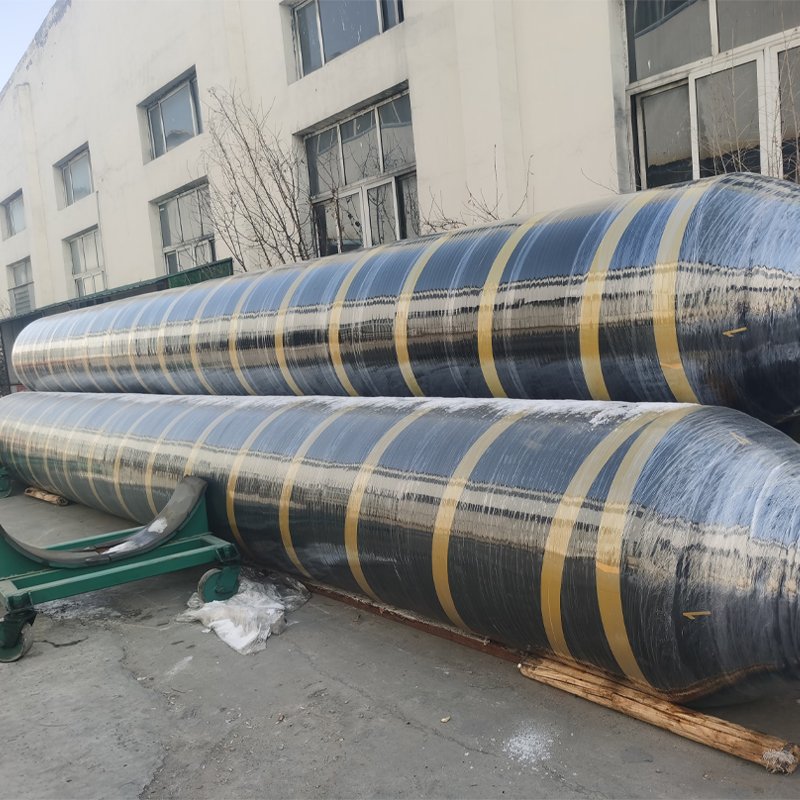
Self-floating rubber hoses are specially designed soft tubes for transporting liquids (most commonly fuel) on the water surface. Their core characteristic is generating buoyancy through their own structure, allowing them to float on water without additional buoyancy devices, hence the name \”self-floating\”. Below is their typical structural composition, usually divided into multiple layers from inner […]
Maintenance Recommendations for Semi-Self-Float Rubber Pipes
Core Preventive Maintenance Recommendations 🛠️ Daily Use: Avoid Exceeding Pressure and Temperature Limits. Working pressure should not exceed the design value, especially avoiding sudden pressure changes or impact pressure .At the same time, the medium and ambient temperature must be within the hose’s nominal tolerance range . Ensure the minimum bending radius. When installing and […]
Comparison between Semi-Self-Float Rubber Tubes and Fully Self-Float Rubber Tubes
Buoyancy and Floating Form: Typically, the minimum residual buoyancy is 5%-9%, requiring additional floating bodies or auxiliary floating devices to stably float on the water surface. Usually, the minimum residual buoyancy needs to reach 20%-9% (likely a typo, possibly 20%-30% or similar, but kept as per input), allowing stable floating (relying on its own buoyancy), […]