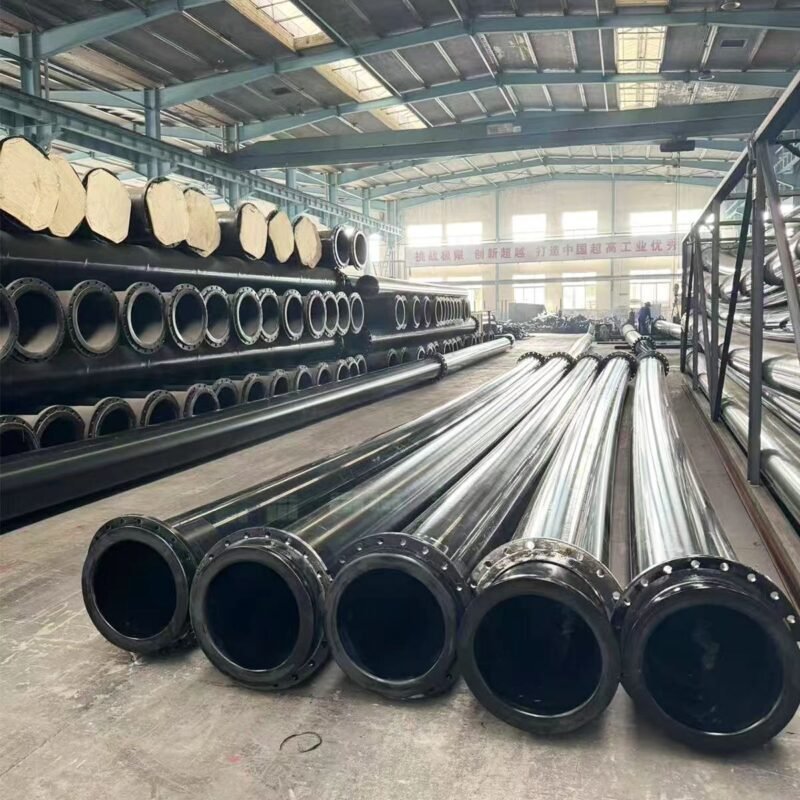
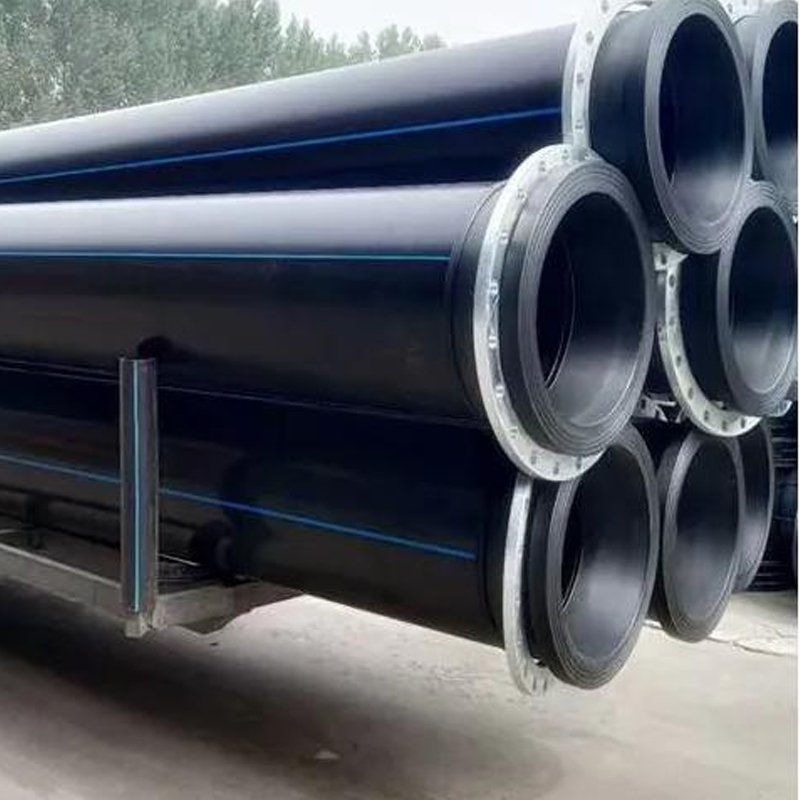
Maintenance Recommendations for Semi-Self-Float Rubber Pipes

Core Preventive Maintenance Recommendations
🛠️ Daily Use:
Avoid Exceeding Pressure and Temperature Limits.
Working pressure should not exceed the design value, especially avoiding sudden pressure changes or impact pressure .At the same time, the medium and ambient temperature must be within the hose’s nominal tolerance range .
Ensure the minimum bending radius.
When installing and using, the bending radius must not be less than the specified minimum value, and avoid sharp bends near the pipe fittings .
Prevent mechanical damage.
Avoid dragging the hose over rough or sharp surfaces, and do not subject it to kinking, crushing, or excessive stretching deformation .
Cleaning and Inspection
Drain and clean promptly.
It is recommended to empty the hose after each use. When necessary, internal cleaning should be performed according to the nature of the medium being transported .
Regular visual inspections should be conducted.
After each use, check the hose for structural damage such as cracks, bulges, wear, or loose fittings . For hoses subjected to severe pressure, a hydraulic test is recommended .
Store properly
Control the storage environment.
It should be stored in a dry, cool, and well-ventilated indoor area, avoiding direct sunlight . The ideal storage temperature is between 10°C and 25°C , and the humidity should preferably not exceed 65% . Keep it away from heat sources, ozone sources (such as operating motors), and equipment that can generate electric or magnetic fields .
Note the placement method.
Coiled hoses should be placed horizontally . If stacking is unavoidable, the height must not cause permanent deformation of the bottom hose . Avoid hanging hoses on hooks to prevent deformation .
Avoid contact with harmful substances.
The hose must not come into contact with solvents, fuels, oils, greases, acids, chemicals, etc.. At the same time, prolonged contact with certain metals (such as copper, manganese and their alloys) as well as PVC materials should also be avoided.
Special Attention: Refer to National Standards For industrial
products like semi-self-floating sludge discharge rubber hoses, the most authoritative guidance comes from national standards. GB/T 37221-2018 ‘Self-floating Sludge Discharge Rubber Hoses and Hose Assemblies’ is a directly relevant product standard. Meanwhile, GB/T 9576 ‘Rubber and Plastic Hoses and Hose Assemblies – Guide for Selection, Storage, Use and Maintenance’ provides general maintenance guidance. In practical operations, strictly adhering to these standard documents is the most effective way to ensure safety and service life.
Reminder:
Since ‘semi-self-floating’ may imply that its buoyancy structure differs from fully floating types, special attention should be paid to its unique buoyancy components and potential connecting parts during maintenance. We recommend:
• Review accompanying documents: Carefully read the product manual or maintenance handbook provided by the manufacturer to understand specific requirements for this model.
• Consult professionals: If uncertain about certain operations (such as bending radius, cleaning methods), it is best to consult the hose supplier or manufacturer.
Hope these suggestions help you maintain the equipment effectively. If you can provide more information about the usage scenario (e.g., the medium being transported, working pressure, etc.), I might be able to offer more specific analysis.