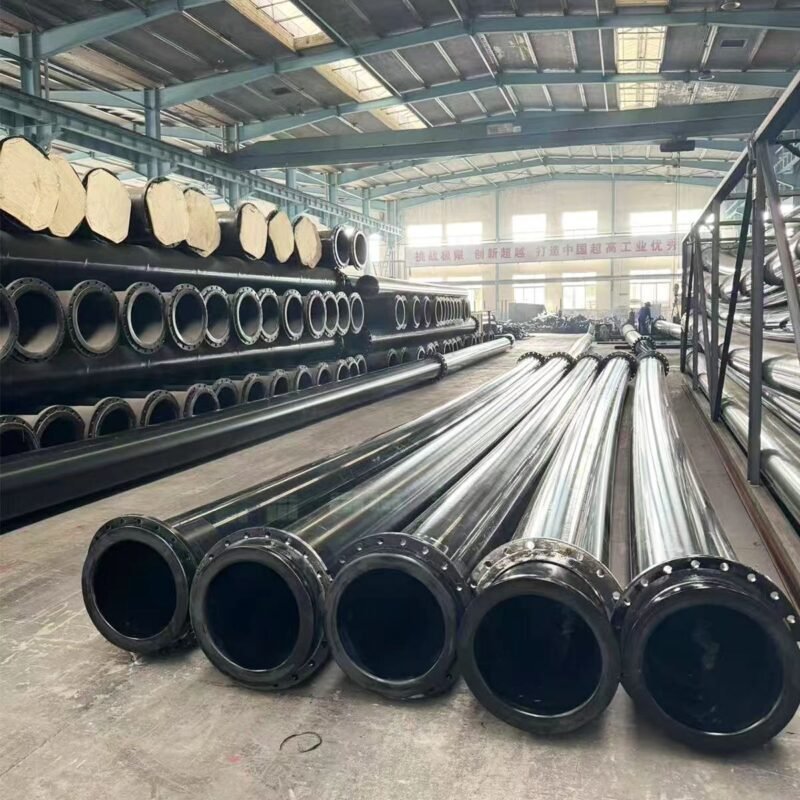
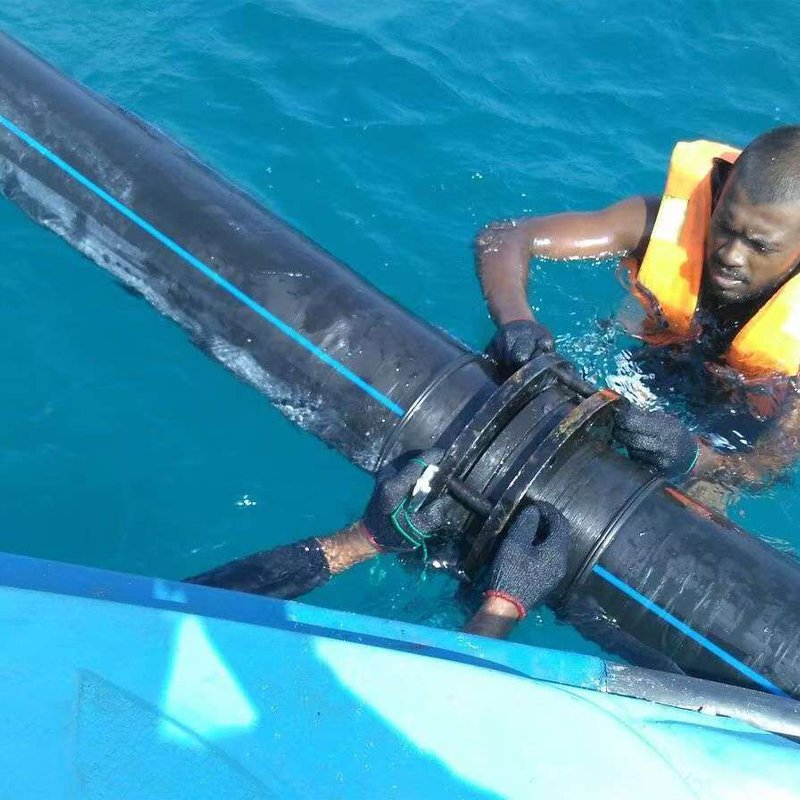
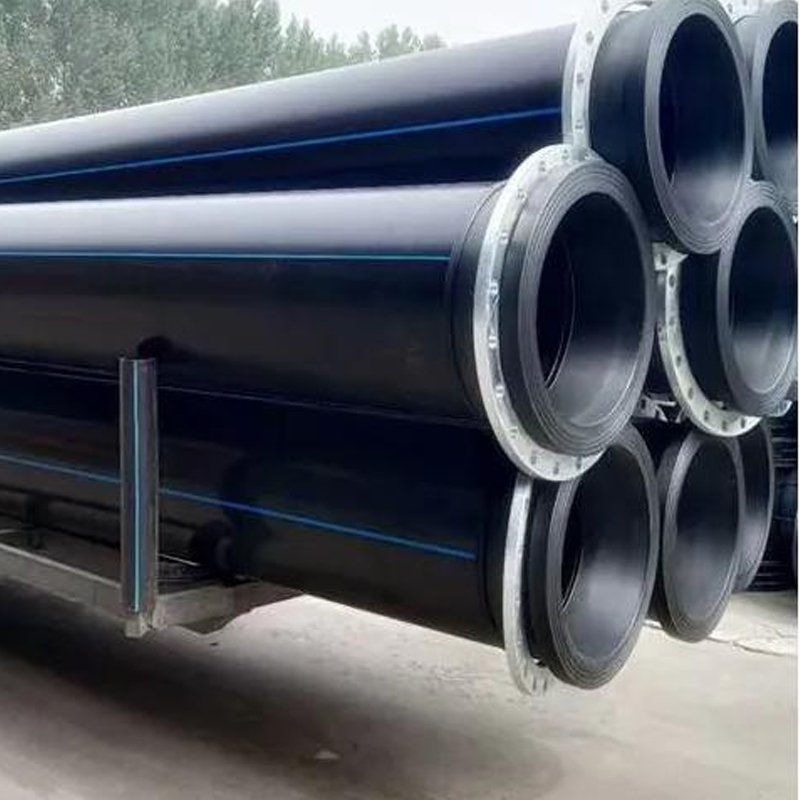
Analysis of the Structure and Function of Self-Floatable Rubber Tube
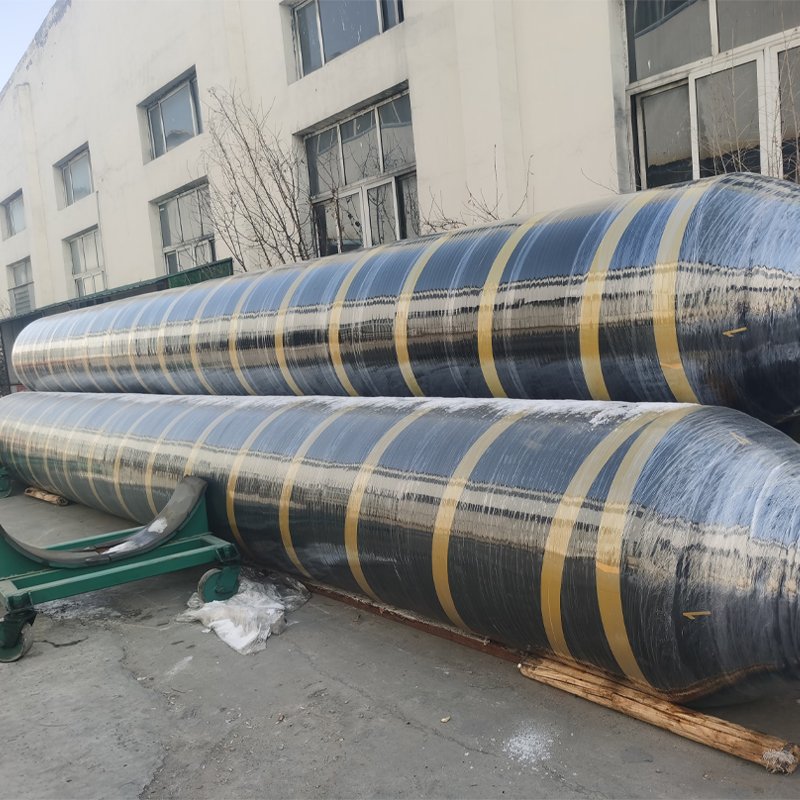
Self-floating rubber hoses are specially designed soft tubes for transporting liquids (most commonly fuel) on the water surface. Their core characteristic is generating buoyancy through their own structure, allowing them to float on water without additional buoyancy devices, hence the name \”self-floating\”.
Below is their typical structural composition, usually divided into multiple layers from inner to outer:
1. Inner Rubber Layer
• Function: This is the layer that comes into direct contact with the transported medium (such as fuel, water, etc.).
• Material: Typically made of oil-resistant and corrosion-resistant synthetic rubber (e.g., Nitrile Butadiene Rubber, NBR).
• Requirements: It must be smooth to reduce flow resistance, while also being able to resist chemical erosion and dissolution by the transported liquid, preventing medium leakage and tube expansion.
2. Reinforcement Layer/Skeleton Layer This is the \”skeleton\” of the rubber hose, responsible for withstanding internal pressure and external mechanical stresses such as tension and torsion. The reinforcement layer of self-floating rubber hoses is usually very sturdy, consisting of multiple layers:
• Material: High-strength synthetic fibers (e.g., polyester, nylon, aramid) or steel wires.
• Structure:
◦ Fiber Braid/Wrap Layer: Multiple fibers are interwoven or wrapped at specific angles to form a strong network, providing the hose with high pressure resistance, tensile strength, and torsion resistance.
◦ Steel Wire Reinforcement: In some higher-demand scenarios, a steel wire braid layer may be added to provide extremely high burst pressure and tensile strength.
3. Buoyancy Layer
This is the most core and distinctive part of the self-floating rubber hose.
• Location: Positioned between the reinforcement layer and the outer rubber layer.
• Material and Structure: Typically made of low-density, closed-cell foam materials, such as:
◦ Foam rubber (e.g., closed-cell chloroprene rubber foam) ◦ Polyethylene foam
• Function: These closed-cell foams contain countless independent sealed air bubbles, making the overall density of the layer much lower than water, thereby generating significant net buoyancy. This layer not only allows the hose to float but also provides additional cushioning and protection.
4. Outer Rubber Layer
• Function: Protects the internal layers of the hose from damage caused by the external environment.
• Material: Typically made of wear-resistant, weather-resistant, ozone-resistant, and seawater (or freshwater)-corrosion-resistant synthetic rubber (e.g., Chloroprene Rubber, CR).
• Requirements: The outer rubber layer needs excellent physical properties to withstand friction, impact, ultraviolet radiation, oils, and harsh weather, extending the hose’s service life. The surface is often designed in light colors (e.g., orange, yellow) to improve visibility and features anti-slip textures.
5. Other Auxiliary Components Depending on specific applications, self-floating rubber hoses may also be equipped with:
• Flanges or Couplings: Standard metal flanges or quick couplings are installed at both ends for connection to pumps, ships, or shore-based pipeline systems. Couplings are usually treated for corrosion resistance (e.g., galvanized).
• Conductive Wires: To eliminate static electricity generated during the transportation of flammable liquids (e.g., fuel), conductive wires may be embedded inside the hose to ensure safe dissipation of static electricity into the ground.
• Identification Lines/Bands: Prominent colored identification lines or text on the hose body indicate product specifications, working pressure, manufacturer, etc.
Summary and Features
Layers | Main Functions | Common Materials
—|—|—
Inner Rubber Layer | Resistant to media, maintains smooth flow | Nitrile rubber (NBR), etc.
Reinforcement Layer | Withstands pressure, resists tensile stress | Polyester/nylon fibers, steel wires
Buoyancy Layer | Provides buoyancy, offers cushioning | Closed-cell foam rubber/polyethylene
Outer Rubber Layer | Wear-resistant, weather-resistant, protective | Chloroprene rubber (CR), etc.
Core Advantages:
• Self-buoyancy: No additional floating equipment required, making deployment and recovery convenient.
• Flexibility: Despite the buoyancy layer, it retains good flexibility, facilitating coiling, transportation, and adaptation to waves on water surfaces.
• Durability: The multi-layer structure design enables it to withstand harsh marine or river environments.
Main Application Scenarios:
• Fuel supply between ships at sea (at-sea refueling).
• Fuel or fresh water transfer from shore to ship.
• Liquid transfer in emergency rescue operations.
• Water-based operations such as dredging engineering.