Analysis of the Outer Rubber Layer of Self-Floatable Rubber Hoses
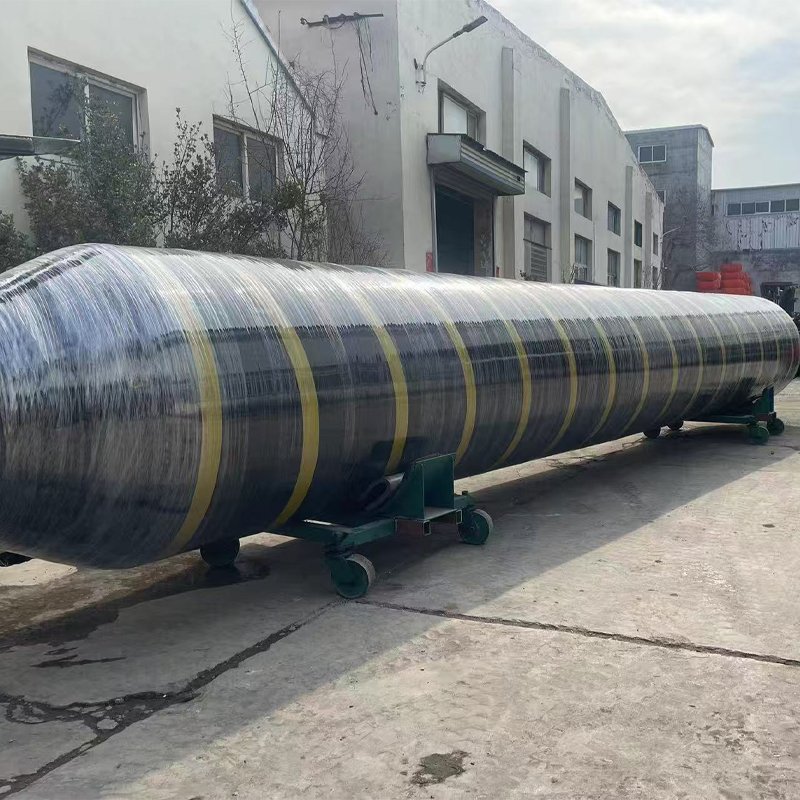
The outer rubber layer of a self-floating rubber hose is a critical component that protects the hose body and resists external environmental damage. To help you quickly understand, the following table summarizes its core information:
| Characteristic Category | Specific Description |
|————————-|———————-|
| Main Materials | Chloroprene rubber (CR)-5, Synthetic rubber-6, UV-resistant synthetic rubber-9, Natural/chloroprene rubber blend-8 |
| Core Functions | Weather resistance (UV resistance, ozone resistance, aging resistance), Seawater corrosion resistance, Abrasion resistance, Tear resistance |
| Common Processes | The outermost layer in a multi-layer structure; sometimes a wrapping layer (e.g., nylon fabric) is added and removed after vulcanization to achieve better surface quality|
| Color Features | Commonly black; sometimes orange is used to enhance warning visibility |
| Operating Temperature | Typically between -30°C and 70/85°C; some models can reach 100°C|
🔍 In-depth Understanding of the Outer Rubber Layer
Beyond the basic information in the table, understanding the following points will give you a more comprehensive view of the outer rubber layer:
• Material Selection Considerations: Different materials have their own focuses. For example, chloroprene rubber excels in overall performance, particularly in ozone and weather resistance-5; to withstand long-term sunlight exposure, many manufacturers add UV-resistant formulations to synthetic rubber-2-9, and often use black-6 or orange-9 as visual identifiers.
• Reflection in Standards: China’s national standard GB/T 37221-2018 specifies clear technical requirements for the outer rubber layer of self-floating slurry discharge rubber hoses used in dredging, ensuring they meet the demands of complex water environments-4.
• Synergy with Other Structures: The outer rubber layer does not exist in isolation. It works together with internal components such as the expanded layer or floating layer (providing buoyancy)-1-8, and fabric or steel wire reinforcement layer (providing hose body strength)-1-5 to form a complete protective system, ensuring the hose can operate stably for long periods in harsh environments.
💎 Summary
In short, the outer rubber layer is an indispensable \”protective clothing\” for self-floating rubber hoses. Its material selection, functional design, and manufacturing process directly impact the hose’s service life and reliability.
I hope this analysis helps you. If you have more specific questions about the outer rubber layer in particular application scenarios (such as dredging, oil transportation, etc.), feel free to ask further.