
Where are rubber pipes used for dredging?

Dredging rubber hoses are mainly used in dredging projects and sludge transportation fields. Specific application scenarios include: 1. Port and channel dredging – cleaning silt: used for silt removal in ports, channels, and rivers, sucking up underwater mud and silt through rubber hoses and transporting them to designated areas; maintaining water depth: ensuring safe passage […]
Steel wire dredging rubber hose and steel ring dredging rubber hose are two commonly used types of pipelines in dredging projects.
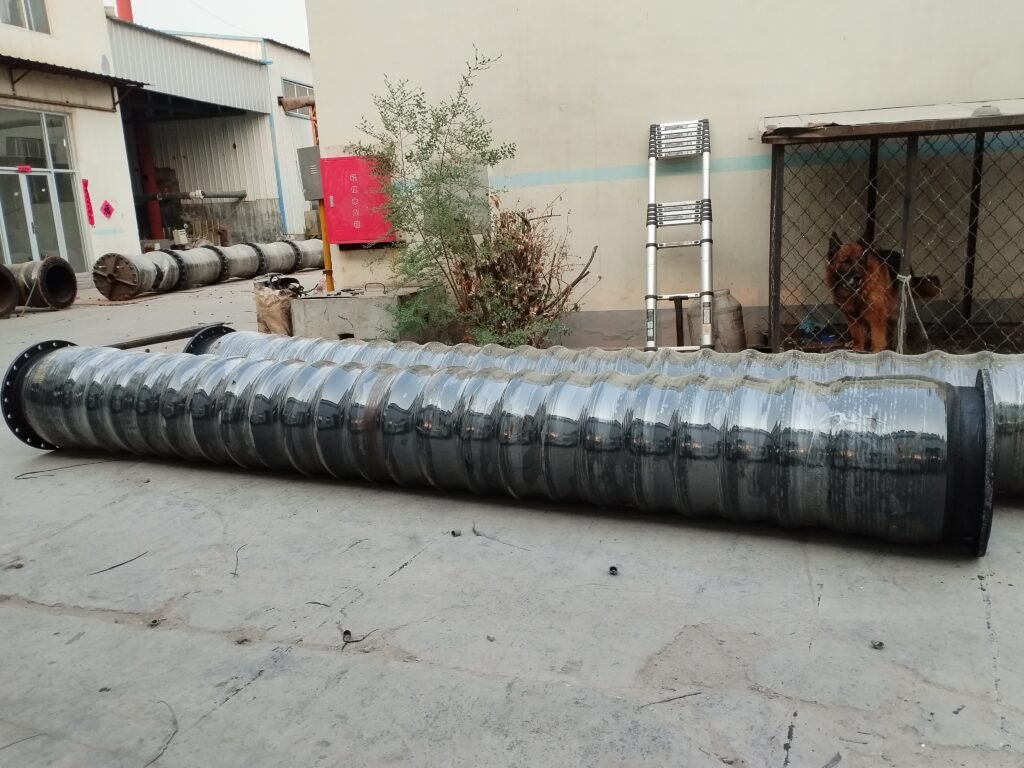
Steel wire dredging rubber hose and steel ring dredging rubber hose are two commonly used types of pipelines in dredging projects. They differ significantly in structure, performance, and application. Here is a comparative analysis: 1. Structural Design – Steel wire dredging rubber hose: Composed mainly of an inner rubber layer, a steel wire reinforcing layer […]
The advantages and disadvantages of newly replaced dredging rubber hoses
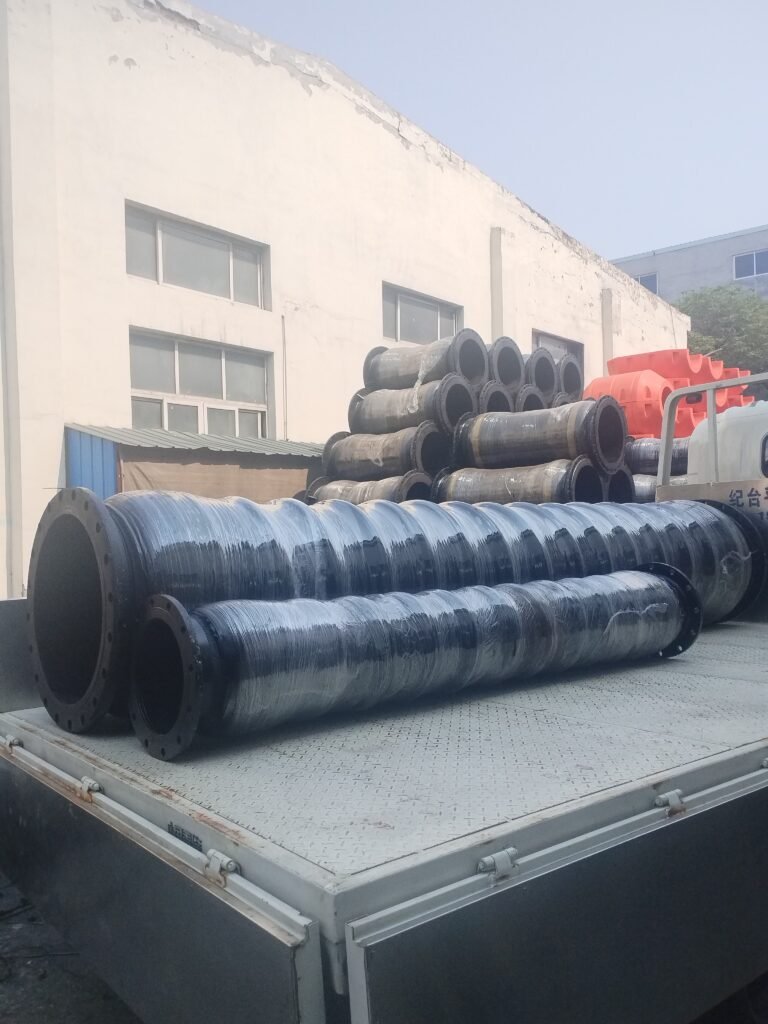
The advantages and disadvantages of newly replaced dredging rubber hoses are as follows: Advantages: 1. High wear resistance – High-quality rubber hoses (such as those with high content of natural rubber or wear-resistant additives) can resist long-term erosion by mud, sand, and gravel, extending their service life, especially suitable for high-concentration particulate media. 2. Flexibility […]
Steel-reinforced rubber hose advantages and disadvantages
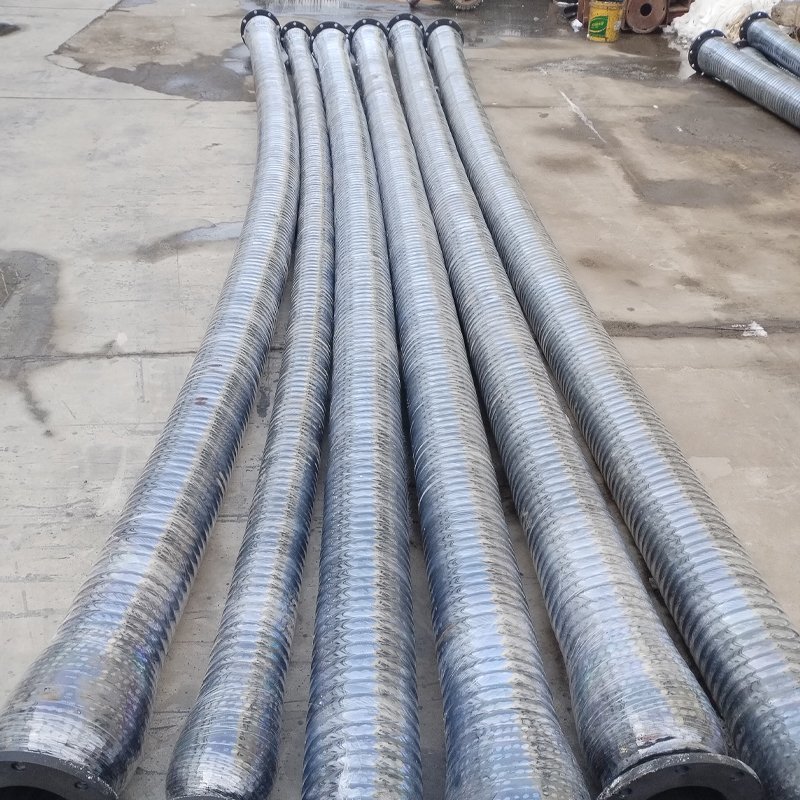
Steel-reinforced rubber straws have both advantages and disadvantages. They combine the flexibility of rubber tubing with an internal steel wire support structure, mainly used in scenarios requiring bending, shaping, or withstanding negative pressure (sucking). Here is a detailed analysis of their pros and cons: Advantages: 1. Can be bent and shaped – The internal steel […]
Steel flange rubber expansion joint
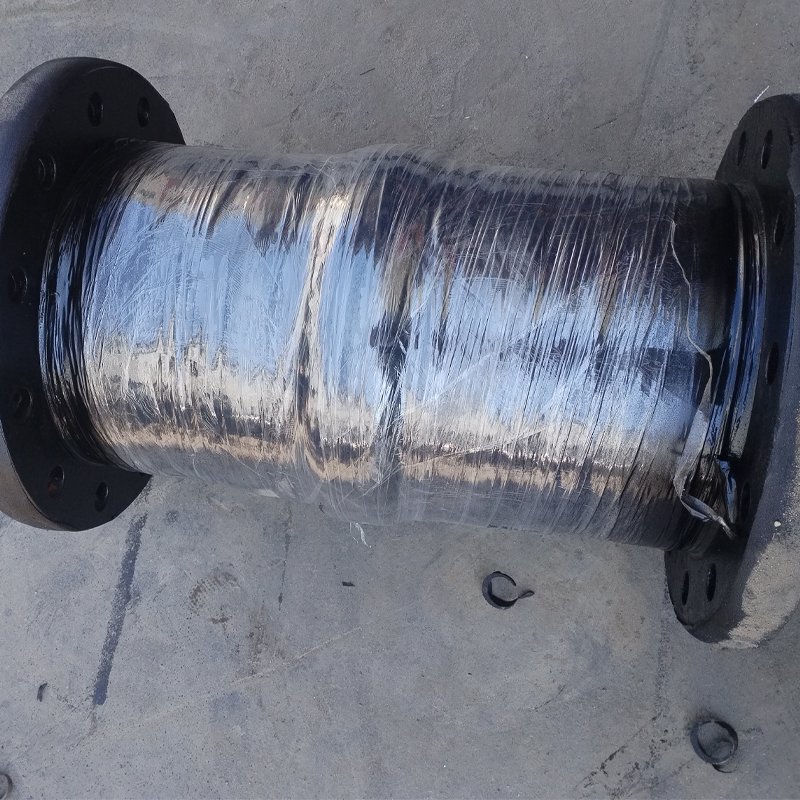
Steel flange rubber expansion joint is a common pipeline compensation element, mainly used to absorb displacement and stress caused by thermal expansion and contraction, vibration, or installation deviation of the pipeline. Here are key details about this product: 1. Structure and Composition – Rubber body: Typically made from corrosion-resistant and aging-resistant synthetic rubber (such as […]
Rubber flange rubber expansion joint
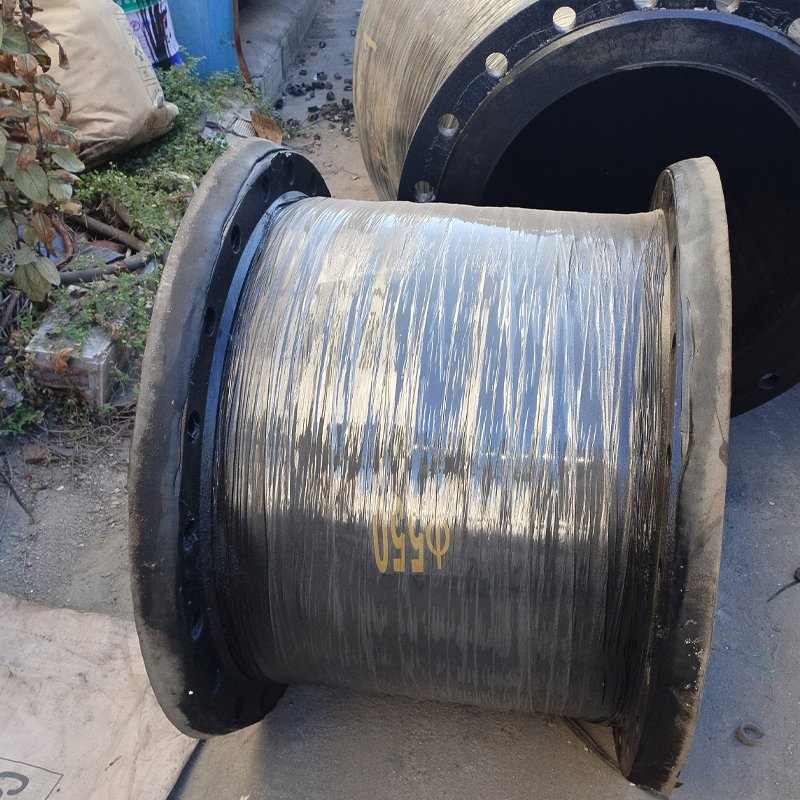
Rubber flange rubber expansion joint, also known as flexible rubber coupling or rubber flexible connection, is a flexible element used for pipe connections. Here is an in-depth introduction: Structure and Material – Structure: Generally consists of a smooth wavy compensating element with rubber flanges at both ends and a metal flange. The metal flange often […]
Comparison of Rubber Expansion Joint Rubber Flanges and Steel Flanges
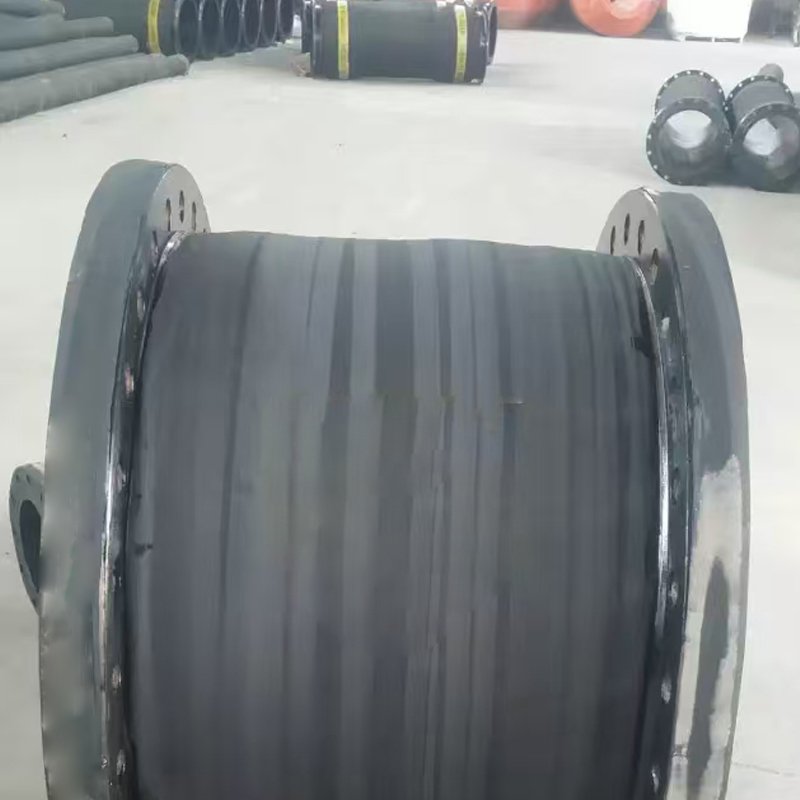
The rubber flange on the rubber expansion joint and the accompanying steel flange (usually a mating flange or system flange) have significant differences in function, material, performance, and application. They are two key components that work together, each playing different roles. Here are their main comparisons: Characteristics Rubber Flange (Expansion Joint Body Part) Steel Flange […]
The difference between the suction inlet and discharge outlet of a rubber expansion joint
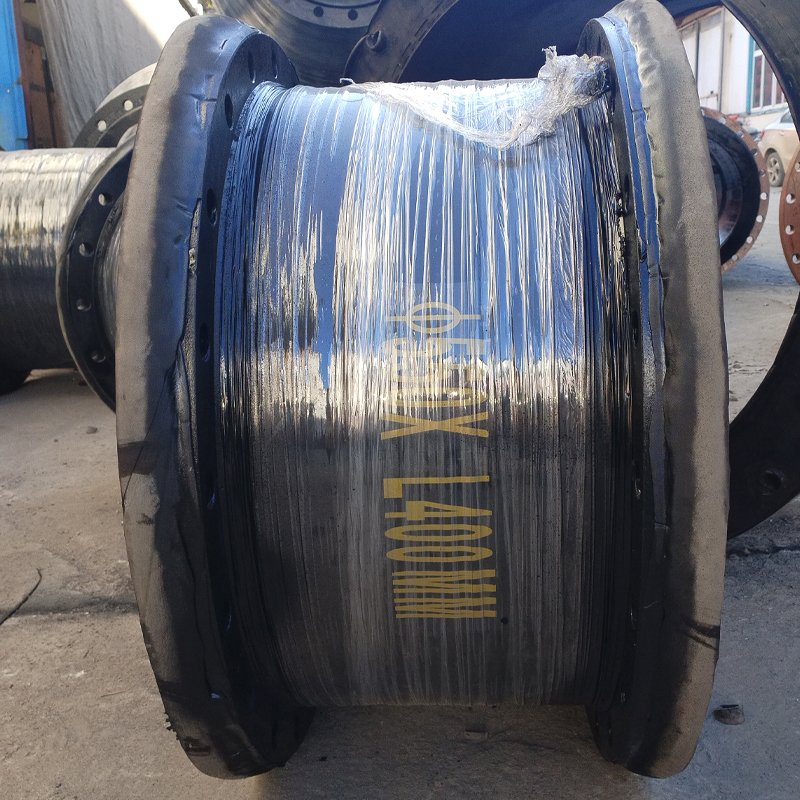
In pipeline systems, rubber expansion joints are used to absorb vibrations, compensate for displacement, and reduce noise. Depending on their installation location (suction end or discharge end), different design and selection considerations must be taken into account based on operating conditions. Here are the main differences between the two: 1. Pressure and Vacuum Requirements • […]
The difference between dredging rubber hoses and discharge pipes
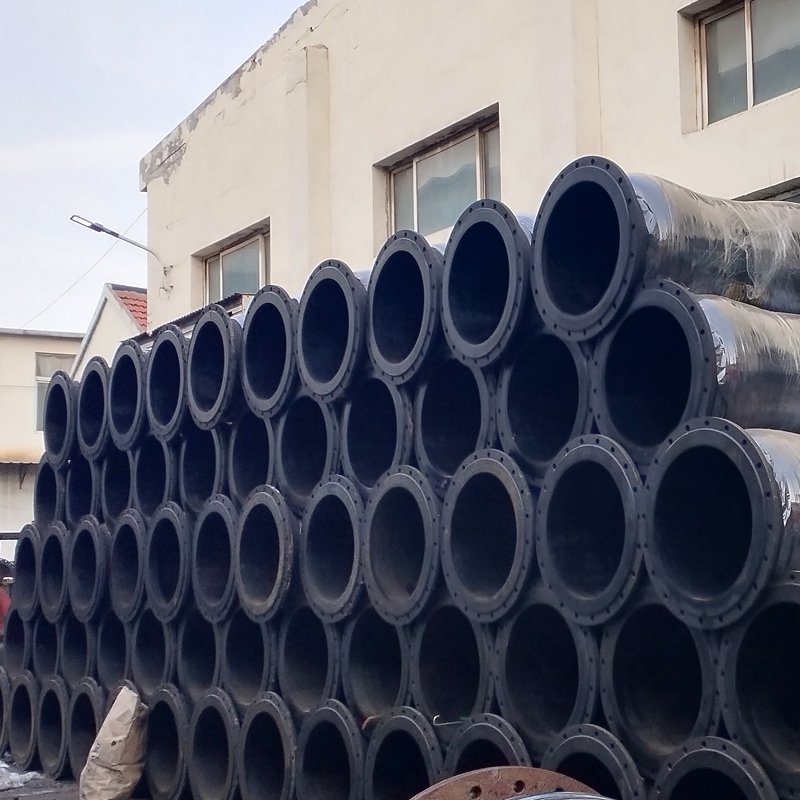
In dredging projects, rubber suction hoses and discharge pipes are two common types of pipelines that differ significantly in terms of material, usage, and working methods. Here are their main differences: 1. Material and Structure: – Rubber Suction Hose: – Material: Typically made from wear-resistant rubber such as natural rubber or styrene-butadiene rubber, often reinforced […]
How to distinguish the quality of the inner rubber layer in self-floating pipes
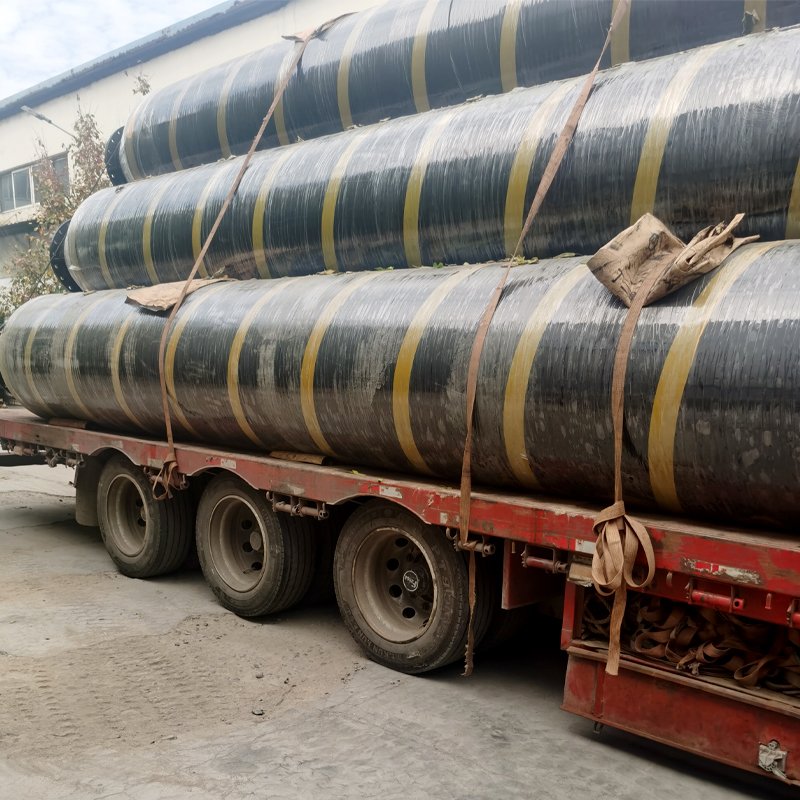
How to distinguish the quality of the inner rubber layer in self-floating pipes: Visual Inspection Surface Smoothness: The surface of high-quality inner rubber layers should be smooth and flat, free from bubbles, cracks, or uneven areas. Color Uniformity: Good inner rubber layers have uniform coloration without inconsistent spots. Thickness Consistency: Observe whether the thickness of […]