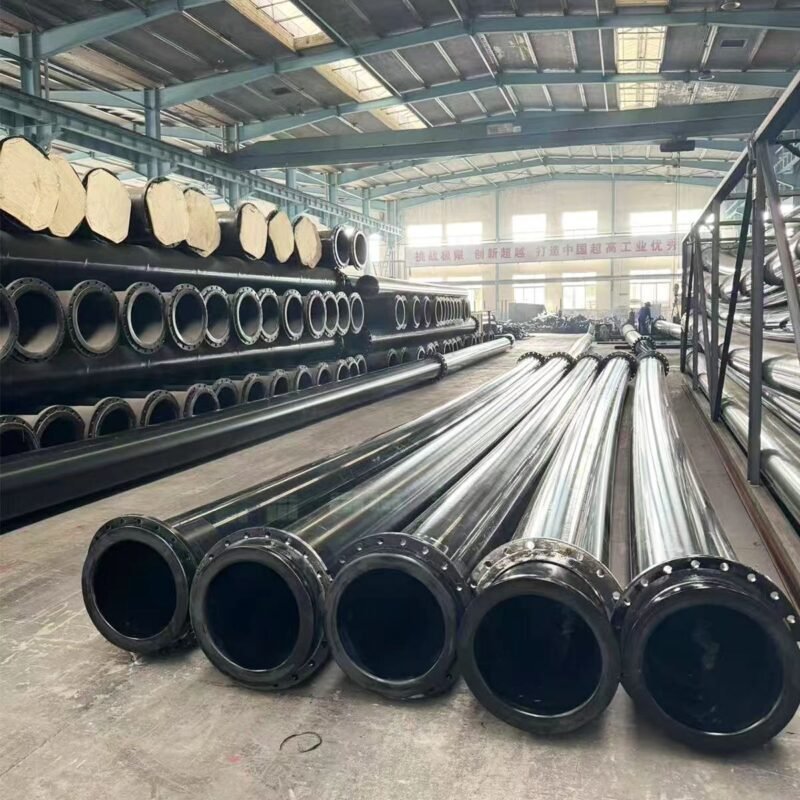
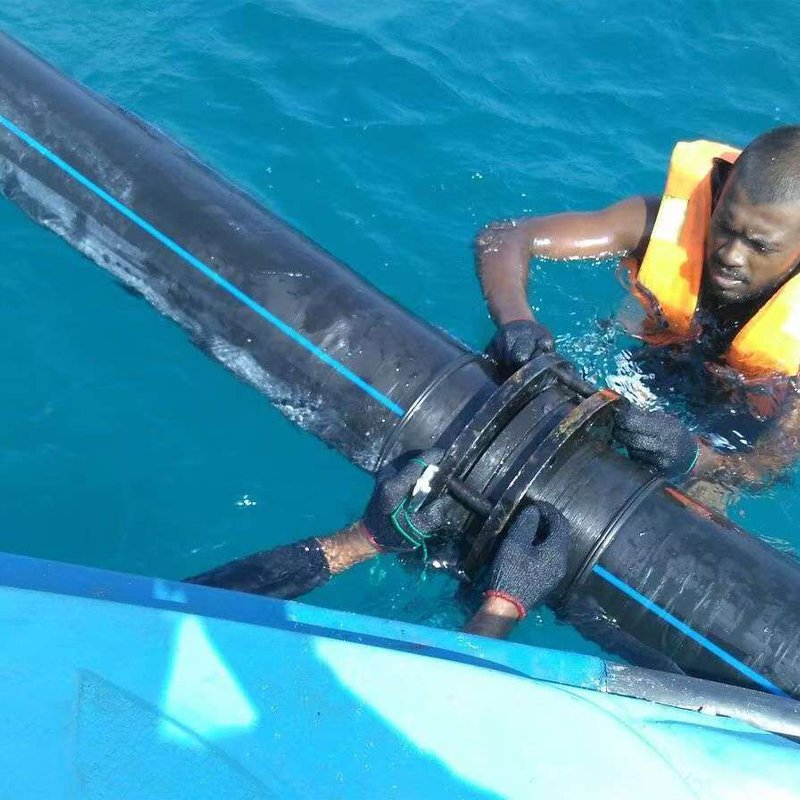
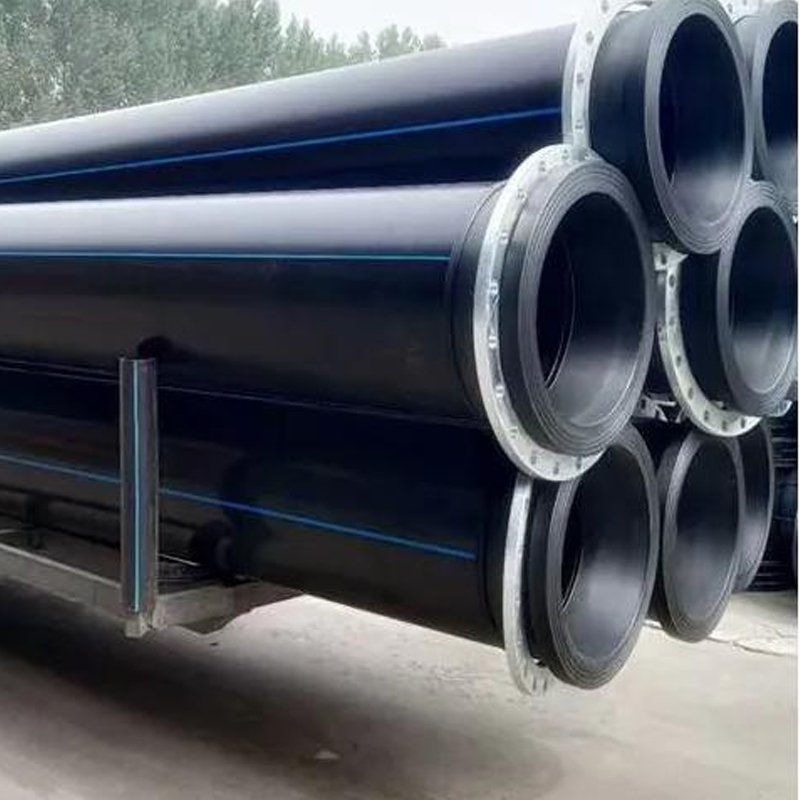
Steel wire dredging rubber hose and steel ring dredging rubber hose are two commonly used types of pipelines in dredging projects.
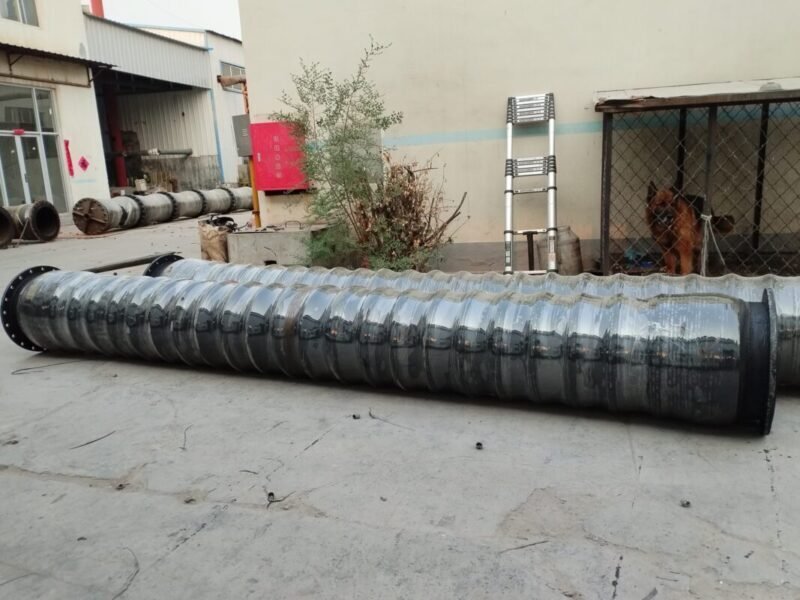
Steel wire dredging rubber hose and steel ring dredging rubber hose are two commonly used types of pipelines in dredging projects. They differ significantly in structure, performance, and application. Here is a comparative analysis:
1. Structural Design
– Steel wire dredging rubber hose: Composed mainly of an inner rubber layer, a steel wire reinforcing layer (enhancement layer), an isolation layer, and an outer rubber layer. The steel wire reinforcing layer typically uses high-strength steel wire fabric or helically wound steel wires to provide good pressure resistance and tensile strength.
– Steel ring dredging rubber hose: Incorporates wear-resistant steel rings embedded within the inner rubber layer, with wear-resistant material filling around the steel rings. The steel rings are usually square or rectangular and coated with organic adhesives to enhance bonding with the rubber.
2. Wear Resistance
– Steel wire dredging rubber hose: Relies on the combination of high-wear-resistant inner rubber layer and steel wire reinforcing layer to resist wear, suitable for conveying mud, slurry, etc., but may wear faster when dealing with large hard particles such as stones or coral reefs.
– Steel ring dredging rubber hose: Due to the embedded wear-resistant steel rings, its wear resistance is significantly improved, particularly suitable for conveying materials containing large, sharp-edged particles such as ores, shells, and coral reefs, effectively reducing wear on the inner lining.
3. Flexibility
– Steel wire dredging rubber hose: With a flexible steel wire reinforcing layer, it has good bending performance, suitable for construction environments requiring frequent movement or bending.
– Steel ring dredging rubber hose: Although the steel rings enhance wear resistance, they may reduce the flexibility of the pipe to some extent, especially when the spacing between steel rings is small.
4. Buoyancy
– Self-floating steel wire dredging rubber hose: Some designs include a floatation layer (such as closed-cell foam material) allowing the pipe to freely float on the water surface, suitable for water-based dredging operations.
– Steel ring dredging rubber hose: Typically requires additional flotation devices (such as steel pipes combined with floats) to achieve buoyancy, although some new designs (like partially floating embedded ring hoses) also incorporate a floatation layer.
5. Application Scenarios
– Steel wire dredging rubber hose: More suitable for conveying mud, powdered materials, or medium-hardness particles, commonly used in port dredging, river silt removal, etc.
– Steel ring dredging rubber hose: Suitable for conveying highly abrasive media such as gravel, coral stone, ores, etc., commonly used in deep-sea mining, hard material dredging, and other harsh environments.
6. Cost and Maintenance
– Steel wire dredging rubber hose: Relatively simple structure, lower production cost, easy maintenance, suitable for large-scale use.
– Steel ring dredging rubber hose: Higher cost due to the added wear-resistant steel rings and special processes, but longer service life, suitable for high-abrasion conditions.
Summary
Comparison Item | Steel Wire Dredging Rubber Hose | Steel Ring Dredging Rubber Hose
—|—|—
Structure | Steel wire reinforcing layer | Embedded wear-resistant steel rings
Wear Resistance | Moderate, suitable for mud | High, suitable for hard particles
Flexibility | Excellent, flexible | Average, limited by steel rings
Buoyancy | Can be designed as self-floating | Usually needs additional flotation devices
Applicable Media | Mud, powdered materials | Gravel, coral reefs, ores, etc.
Cost | Lower | Higher
The choice of pipeline depends on specific project requirements, such as the nature of the medium, construction environment, and economic factors.