Comparison of Rubber Expansion Joint Rubber Flanges and Steel Flanges
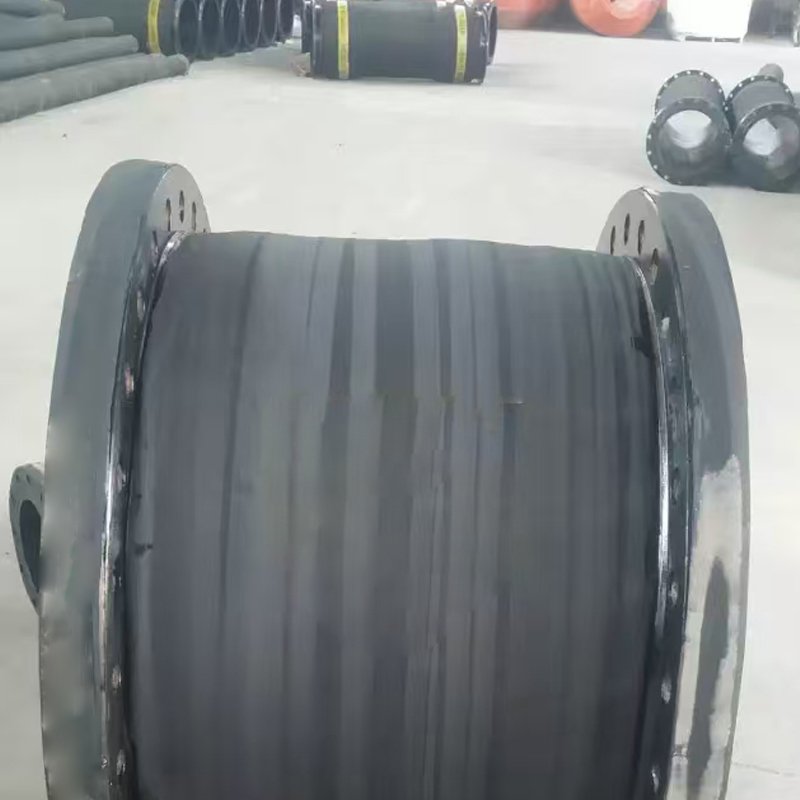
The rubber flange on the rubber expansion joint and the accompanying steel flange (usually a mating flange or system flange) have significant differences in function, material, performance, and application. They are two key components that work together, each playing different roles. Here are their main comparisons:
Characteristics Rubber Flange (Expansion Joint Body Part) Steel Flange (Mating/System Flange)
Material Synthetic rubber (such as EPDM, NBR, CR, NR, fluororubber, etc.) Carbon steel, stainless steel, alloy steel, and other metals (such as A105, 304/316 SS, Ductile Iron)
Primary Function Provides flexibility, compensates for displacement, absorbs vibration/noise, seals the medium Provides structural connection, withstands system loads, transmits bolt force, rigid support
Flexibility/Rigidity High flexibility – core characteristic, allows axial, lateral, angular displacement High rigidity – maintains the structural integrity and alignment of the pipeline system
Displacement Compensation Yes – core function, absorbs thermal expansion and contraction, settlement, equipment vibration displacement No – does not have compensation capability itself, relies on the expansion joint
Vibration/Noise Excellent absorption capacity – rubber’s damping properties effectively isolate vibration and noise Transmit vibration/noise – metal conducts vibration and noise
Pressure Capacity Limited – determined by rubber strength, reinforcement layer, and design, usually lower than steel flanges High – determined by material strength and standard grade, can withstand high pressure
Temperature Range Narrow – limited by rubber material (-40°C to 120°C common, specialty rubbers higher) Wide – metal materials can adapt to extremely low and high temperatures (depending on material grade)
Chemical Resistance Selective – depends on rubber material, different rubbers resist different chemicals Generally excellent – metals like stainless steel have good corrosion resistance to various chemicals
Wear Resistance Moderate – rubber is more prone to wear compared to metal Excellent – metal surfaces are harder and wear-resistant
Sealing Principle Self-sealing by elastic deformation – rubber deforms under compression to fill gaps Relies on gasket – requires a gasket to be installed between two steel flange faces to seal
Weight Light Heavy
Cost Relatively low (but high-end rubbers and complex structures increase costs) Relatively high (especially stainless steel and alloy steel)
Installation Requirements Needs precise alignment – avoid initial twist stress; bolts need to be evenly tightened diagonally – prevent rubber from being compressed or torn Standard flange installation – pay attention to alignment and parallelism, tighten bolts according to standard torque
Maintenance Requires regular inspection – aging, cracks, wear, leakage; relatively shorter lifespan Lower maintenance needs – long life, mainly check for corrosion, loose bolts, gasket condition
Structural Role Non-load-bearing component – primarily bears internal pressure and displacement stress Load-bearing component – supports the weight of the pipe, medium, and external loads
Typical Applications Parts of the pipeline system requiring displacement compensation and vibration reduction Rigid connection points of the pipeline system, equipment interfaces, valve interfaces, etc.