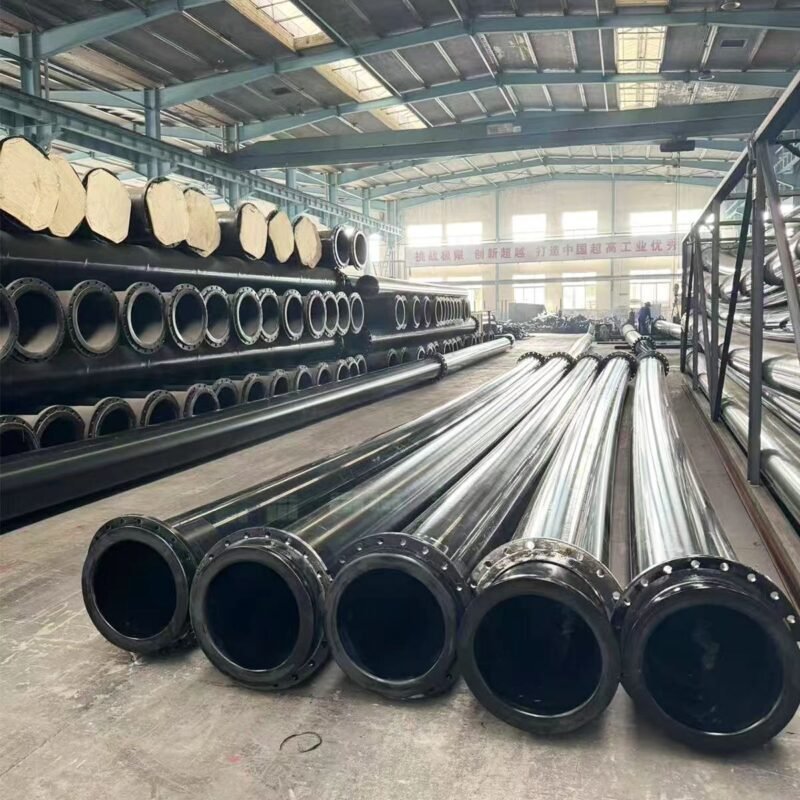
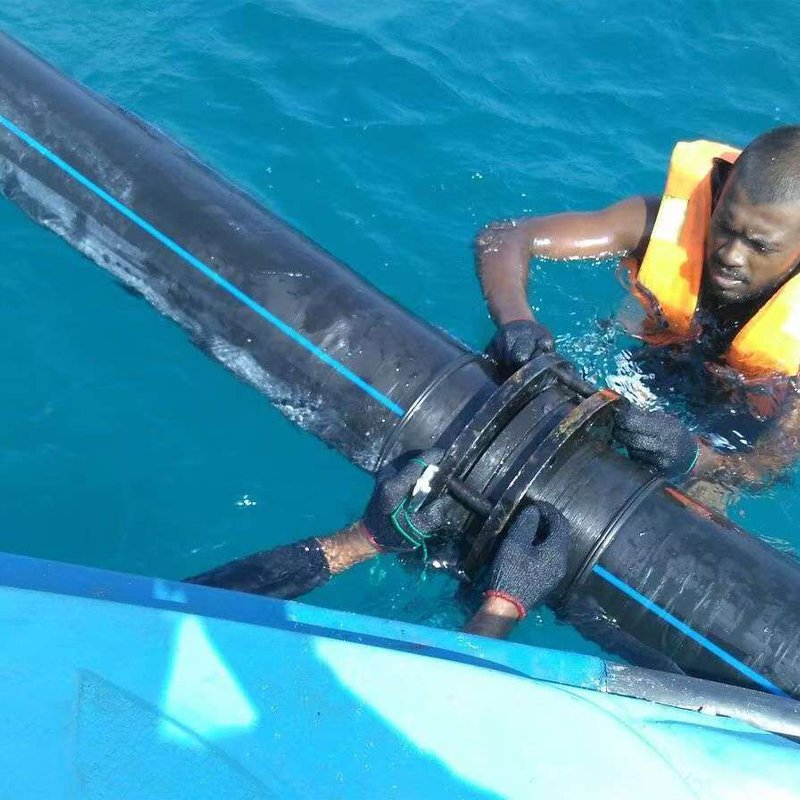
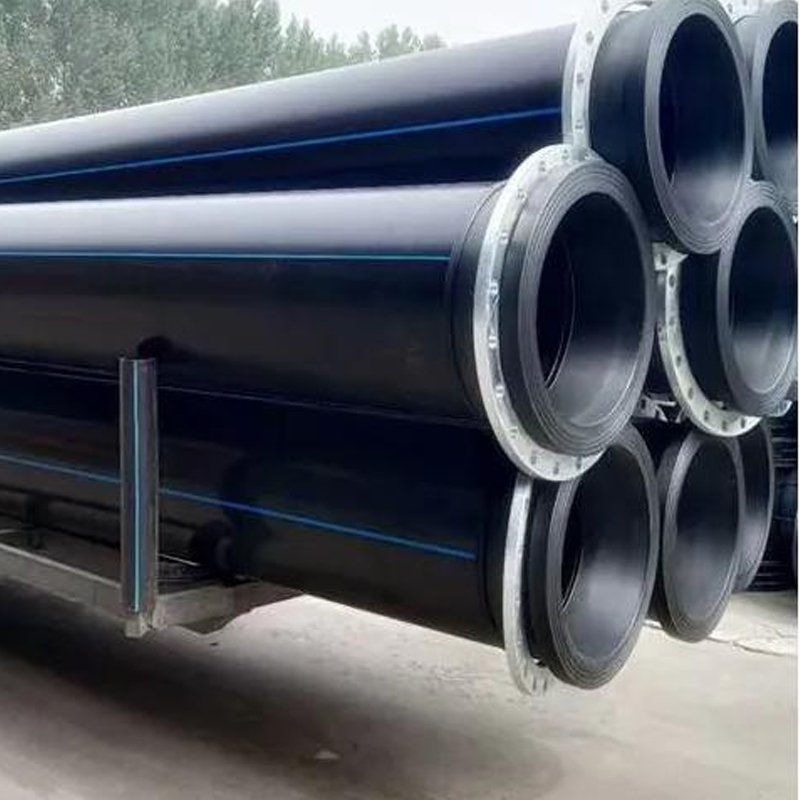
How to distinguish the quality of the inner rubber layer in self-floating pipes
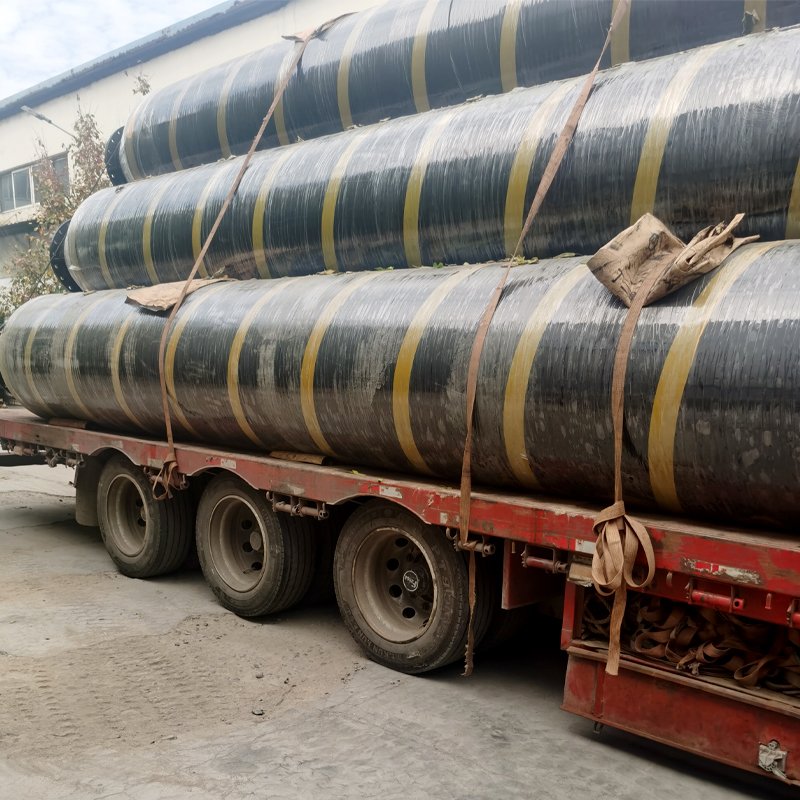
How to distinguish the quality of the inner rubber layer in self-floating pipes:
Visual Inspection
Surface Smoothness: The surface of high-quality inner rubber layers should be smooth and flat, free from bubbles, cracks, or uneven areas.
Color Uniformity: Good inner rubber layers have uniform coloration without inconsistent spots.
Thickness Consistency: Observe whether the thickness of the inner rubber layer is consistent, avoiding localized thinning.
Physical Performance Testing
Elasticity Test: Press the inner rubber layer with your finger; high-quality rubber should have good elasticity and quickly return to its original shape.
Flexibility: When bending the pipe, the inner rubber layer should not show cracks or delamination.
Abrasion Resistance: Lightly scrape the surface with a fingernail; high-quality rubber layers should not leave noticeable marks.
Odor Judgment
High-quality rubber inner layers have a mild odor, while inferior products may have a strong chemical smell.
Professional Testing Methods
Pressure Test: Check how the inner rubber layer performs under pressure, ensuring it does not expand or deform.
Corrosion Resistance: Observe the inner rubber layer’s tolerance to conveyed media.
Aging Test: Examine changes in the inner rubber layer after long-term use.
Purchase Recommendations
Choose products from reputable brands.
Check product certifications and quality inspection reports.
Request product specifications from suppliers.
High-quality inner rubber layers should possess corrosion resistance, wear resistance, and aging resistance, effectively protecting the pipe body and extending its service life.