Where are rubber pipes used for dredging?

Dredging rubber hoses are mainly used in dredging projects and sludge transportation fields. Specific application scenarios include:
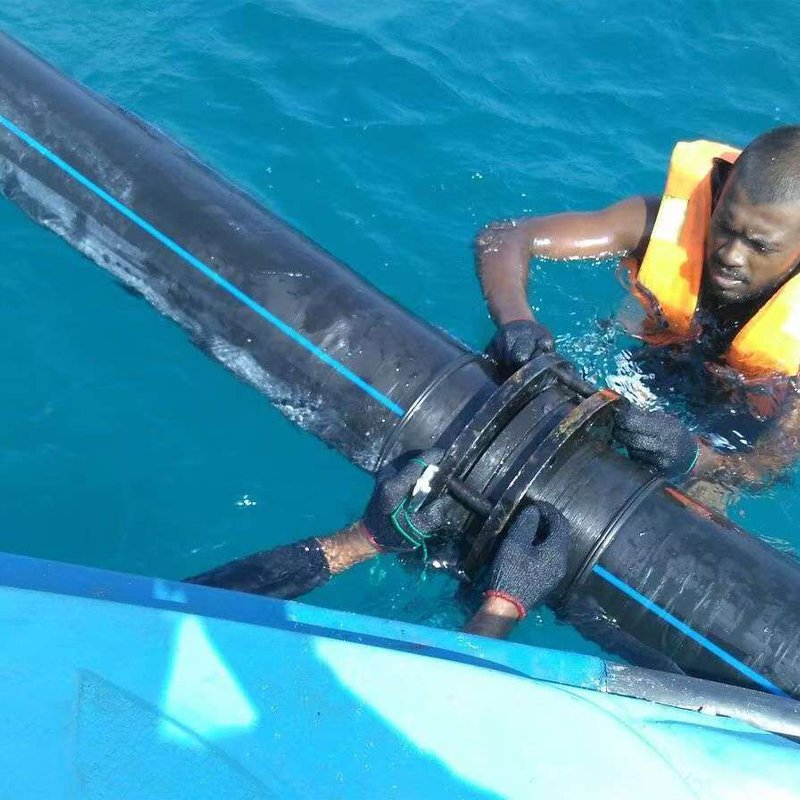
1. Port and channel dredging – cleaning silt: used for silt removal in ports, channels, and rivers, sucking up underwater mud and silt through rubber hoses and transporting them to designated areas; maintaining water depth: ensuring safe passage of ships by keeping the depth of channels or ports.
2. Underwater mining and sand extraction – underwater mineral mining: conveying underwater minerals and gravel; sand extraction: extracting sand and stones from rivers, lakes, or nearshore areas for construction or reclamation projects.
3. Land reclamation and filling projects – conveying mud and sand: blowing the dredged mud and sand through rubber hoses to designated areas for artificial island construction or coastline extension.
4. Water conservancy and flood control projects – reservoir silt removal: cleaning sedimented mud and sand in reservoirs to improve water storage capacity; river rectification: repairing or widening rivers to improve water flow conditions and prevent flooding.
5. Environmental silt removal – contaminated bottom mud treatment: cleaning polluted riverbeds or lake bottoms and conducting environmental treatment.
6. Industrial and municipal projects – sewage treatment plants: conveying wastewater containing sludge; mine tailings treatment: conveying slag or tailings slurry.
Dredging rubber hoses have characteristics such as wear resistance and corrosion resistance, usually made of high-strength rubber and reinforced with fibers or steel wires to adapt to abrasive media like mud and gravel; good flexibility to accommodate complex underwater terrain and ship movement; high pressure resistance to meet the high-pressure conveyance requirements of dredging pumps.
In summary, dredging rubber hoses are key conveying equipment in dredging projects, widely used in waterway silt removal, mining, land reclamation, and other fields.