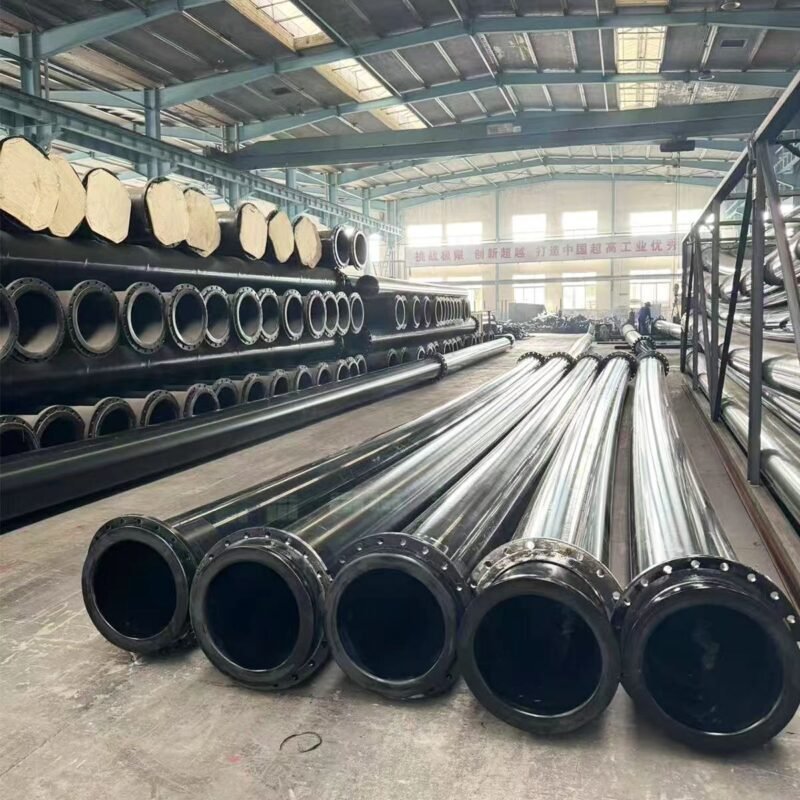
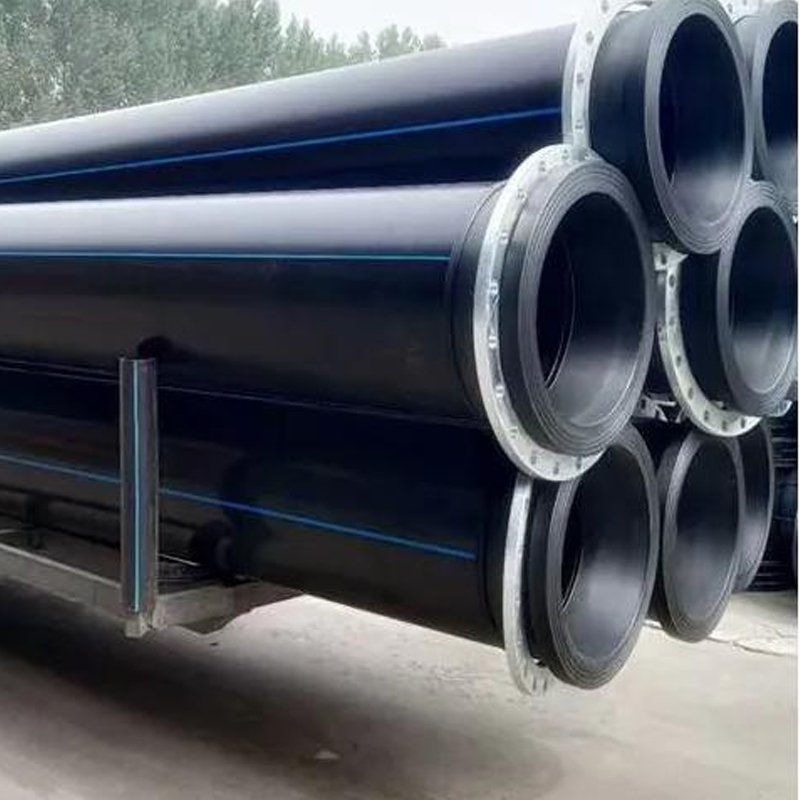
Steel-reinforced rubber hose advantages and disadvantages
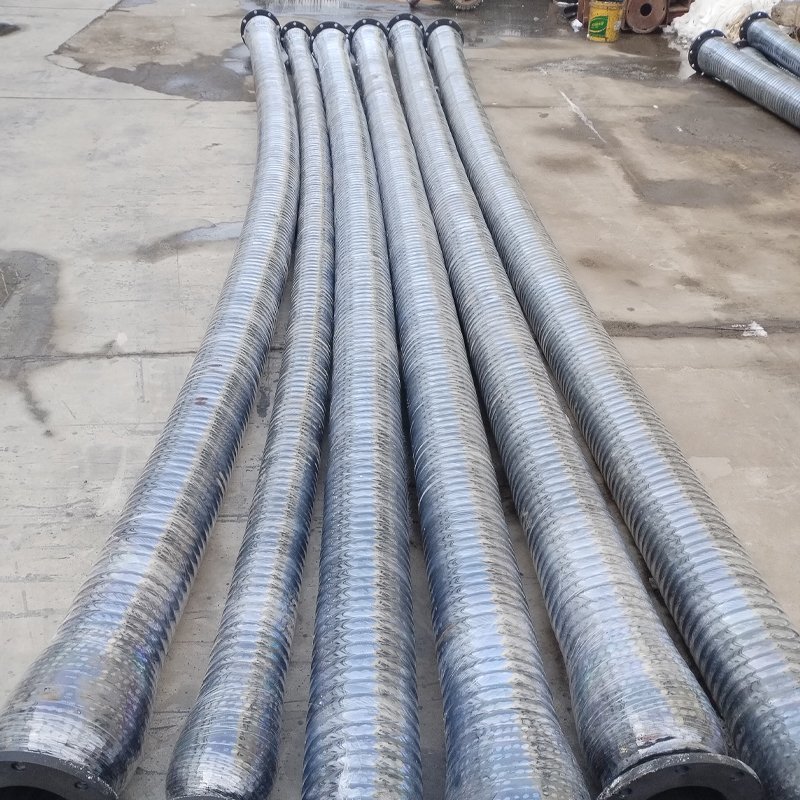
Steel-reinforced rubber straws have both advantages and disadvantages. They combine the flexibility of rubber tubing with an internal steel wire support structure, mainly used in scenarios requiring bending, shaping, or withstanding negative pressure (sucking). Here is a detailed analysis of their pros and cons:
Advantages:
1. Can be bent and shaped
– The internal steel wire (usually spiral stainless steel) allows the straw to bend freely and maintain its shape, suitable for special angles (such as drinking while lying down, laboratory instruments, etc.).
2. Strong resistance to negative pressure
– The steel structure prevents the straw from collapsing during sucking, especially suitable for thick liquids (like milkshakes, purees) or long-distance suction.
3. Good durability
– The rubber outer layer has better tear resistance than ordinary plastic straws, and it is less likely to be bitten flat or deformed with the steel reinforcement.
4. Temperature adaptability
– High-quality rubber (such as silicone) can withstand high temperatures (-30℃ to 200℃), suitable for hot drinks or boiling disinfection.
5. Environmental potential
– Reusable, reducing waste of single-use plastic straws (if food-grade material).
Disadvantages:
1. Difficult to clean
– Food particles or liquid residues can easily get stuck in the steel wire gaps, fostering bacteria, requiring thorough cleaning with a fine brush, or even disassembly for disinfection.
2. Higher cost
– Complex materials and structure result in a price much higher than ordinary plastic straws, even more expensive than pure silicone straws.
3. Usage experience issues
– The metal wire may cause slight odor or cold touch, which some users may not adapt to.
– Repeated bending may lead to wire breakage or rubber layer damage.
4. Safety risks
– If the steel wire is exposed (especially when children suck on it), it may cut the mouth or fall off and be swallowed.
– Inferior rubber may release harmful substances (need to choose food-grade certified products).
5. Difficult to recycle
– The composite structure of rubber and steel is hard to separate, most recycling systems cannot handle it, leading to possible landfilling.
Suitable scenarios and alternative solutions:
– Recommended usage: medical suction, laboratory operations, outdoor sports, special dietary needs (such as disabled individuals).
– Not recommended: daily single-use, unsupervised use by children.
– Alternatives:
– Pure silicone straws (without steel wire, safer but cannot be shaped).
– Biodegradable PLA straws (environmentally friendly but not heat-resistant).
– Stainless steel straws (hard, need anti-scald design).
Purchase suggestions:
1. Ensure food-grade certification (such as FDA, LFGB).
2. Choose seamless inner wall design to reduce dirt accumulation.
3. Prefer silicone material (better than ordinary rubber), heat-resistant and non-toxic.
4. Check if the steel wire is securely wrapped when used by children.
If convenience is sought, ordinary straws are more suitable; if strong functionality and reusability are needed, steel-reinforced rubber straws are an option, but one must weigh the cleaning and safety costs.