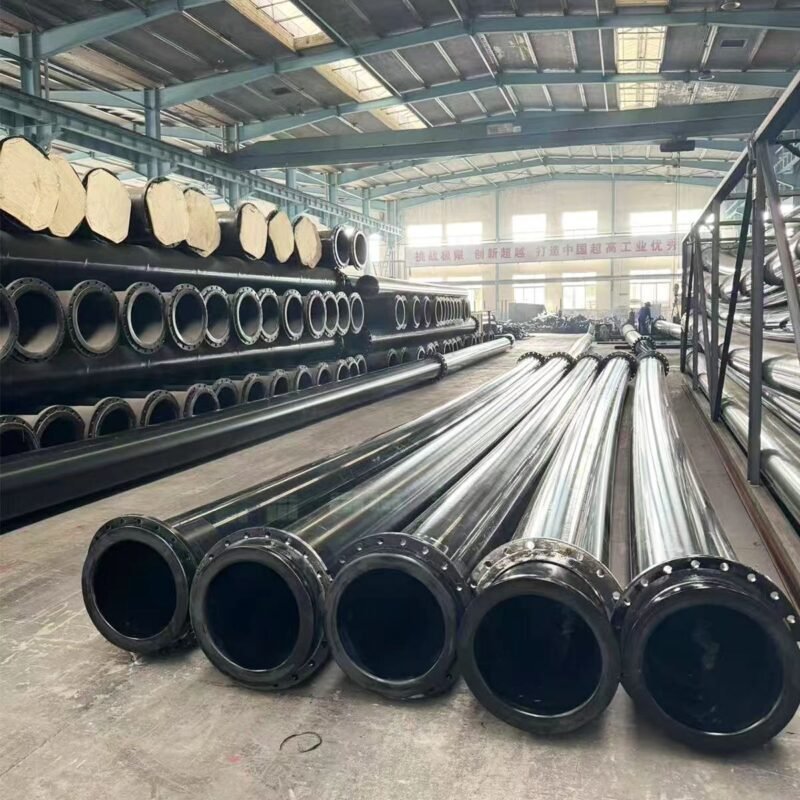
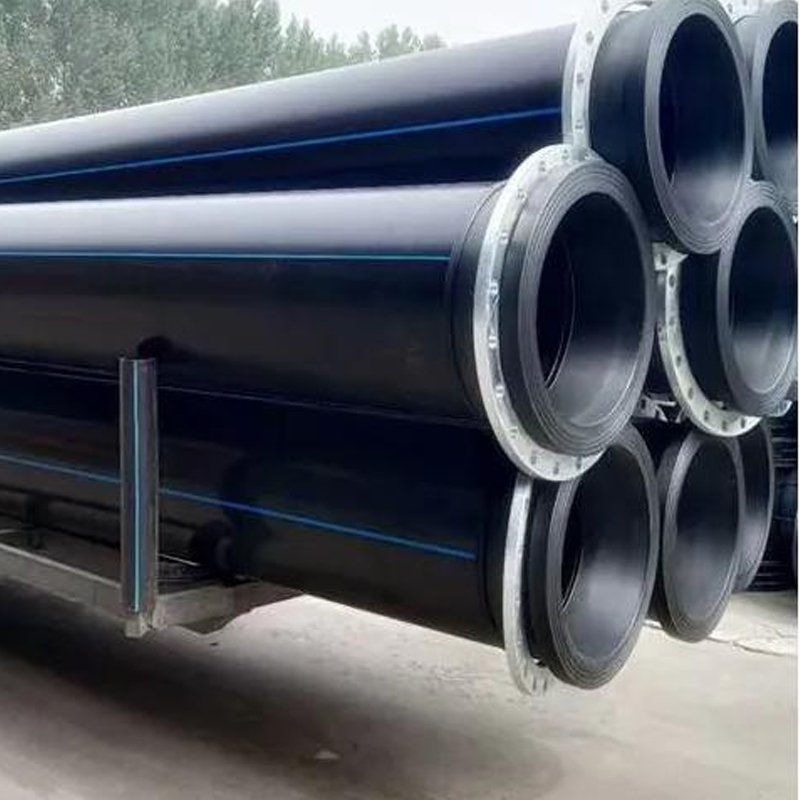
Steel flange rubber expansion joint
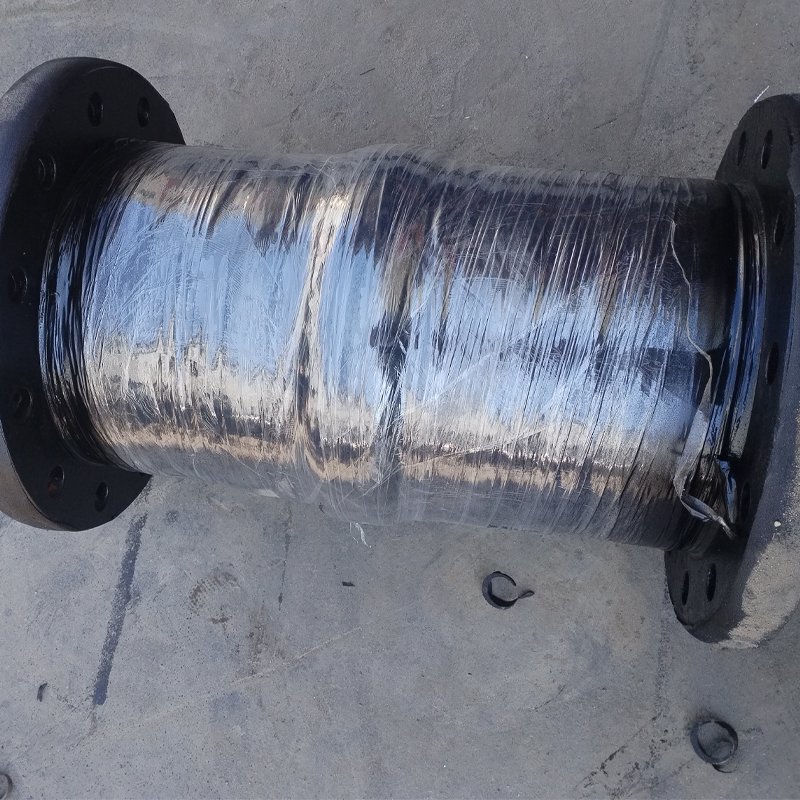
Steel flange rubber expansion joint is a common pipeline compensation element, mainly used to absorb displacement and stress caused by thermal expansion and contraction, vibration, or installation deviation of the pipeline. Here are key details about this product:
1. Structure and Composition
– Rubber body: Typically made from corrosion-resistant and aging-resistant synthetic rubber (such as EPDM, NBR, neoprene, etc.), which may have a reinforcing layer of fabric inside to enhance pressure resistance.
– Steel flange: Carbon steel or stainless steel flanges (such as Q235, 304/316 stainless steel), connected to the pipe flange through bolts to ensure sealing and stability.
– Reinforcement ring: Some designs include metal or nylon reinforcement rings to prevent excessive deformation of the rubber part under high pressure.
2. Core Functions
– Displacement compensation: Can absorb axial, lateral, and angular displacements (such as extension range ±10~30mm, lateral displacement ±5~15mm, specific parameters vary by model).
– Vibration reduction and noise reduction: The elasticity of rubber effectively reduces fluid impact or equipment vibration transmission.
– Sealing and leakage prevention:Adapts to slight pipe deflection, avoiding leaks due to displacement.
3. Typical Application Scenarios
– HVAC systems: Compensates for thermal expansion in air conditioning and heating pipelines.
– Water supply and drainage projects: Reduces water hammer effect at pump inlets and outlets.
– Industrial pipelines: Corrosive medium pipelines in chemical and power industries (requires acid and alkali-resistant rubber).
– Ships/rail transit: Mitigates engine or track vibration transmission.
4. Selection Points
– Pressure rating: Commonly 0.6MPa~2.5MPa, needs to match system operating pressure.
– Temperature range: Depending on rubber material, EPDM can withstand approximately -30℃~120℃, while NBR is suitable for oil media but has lower temperature tolerance.
– Medium compatibility: Acidic/alkaline media require fluororubber or special formulations.
– Flange standards: National standard GB, American standard ANSI, German standard DIN, etc., need to match the pipeline flange.
5. Installation Considerations
– Alignment requirement: Must maintain natural alignment of the pipeline during installation, avoiding forced stretching or compression.
– Bolt tightening: Tighten the flange bolts diagonally step-by-step to ensure even force distribution.
– Protection measures: Avoid contact with sharp objects, outdoor use requires adding UV protection covers.
– Maintenance inspection: Regularly check if the rubber layer is cracking or if the flange is corroding.
6. Common Issues and Solutions
– Leakage: Check if flange bolts are loose or if the rubber layer is damaged.
– Premature aging: May be caused by exceeding medium temperature or ozone exposure, requiring replacement with more weather-resistant materials.
– Abnormal deformation: If exceeding allowable displacement range, reselect or add limit devices.