
How to Identify the Advantages and Disadvantages of Steel Ring Skeletons for Suction Pipes
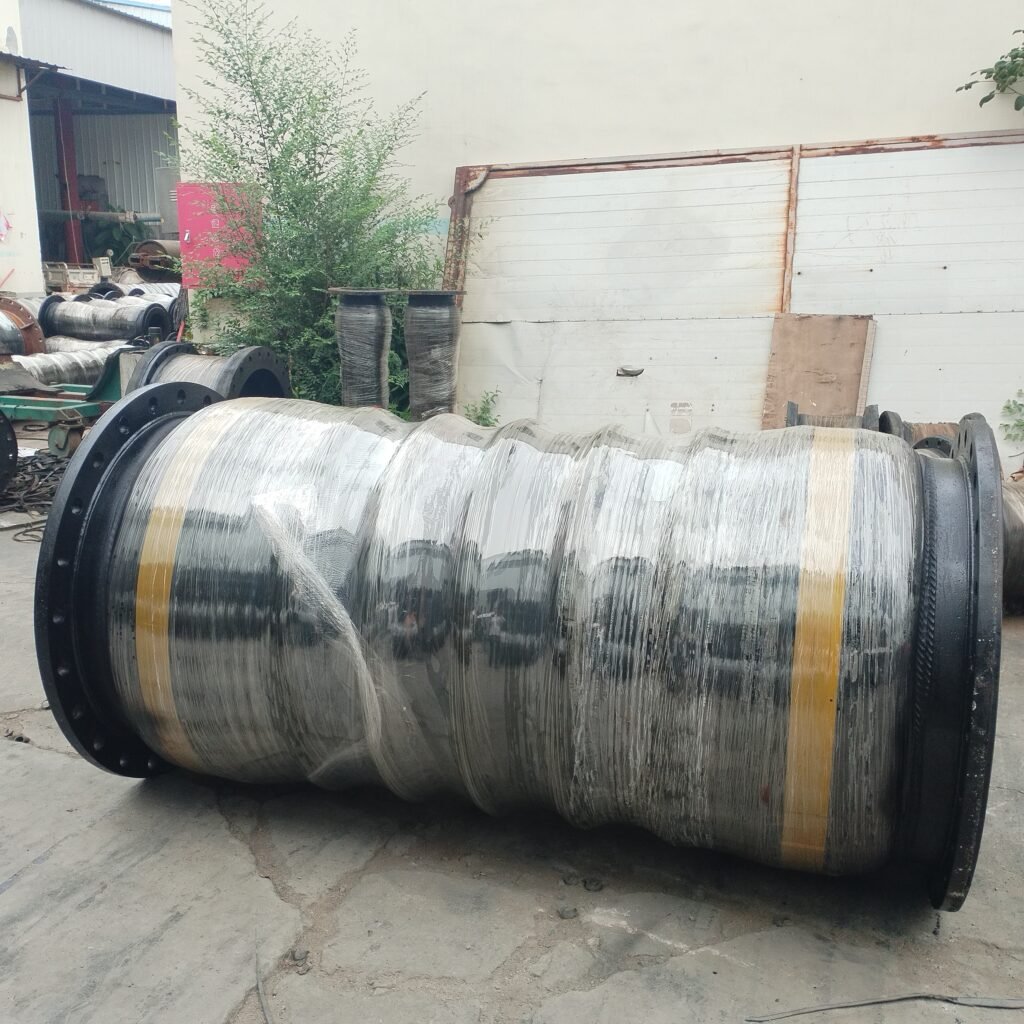
The steel ring skeleton is a crucial component of suction pipes, directly affecting the pipe’s lifespan and performance. Here’s how to identify its advantages and disadvantages: Main Advantages 1. High-quality Material ◦ Uses high-strength steel (such as Q235 or higher grades) ◦ Uniform galvanized surface with no missed coating areas ◦ Steel thickness meets standard […]
How to distinguish the quality of suction pipe steel wire skeletons
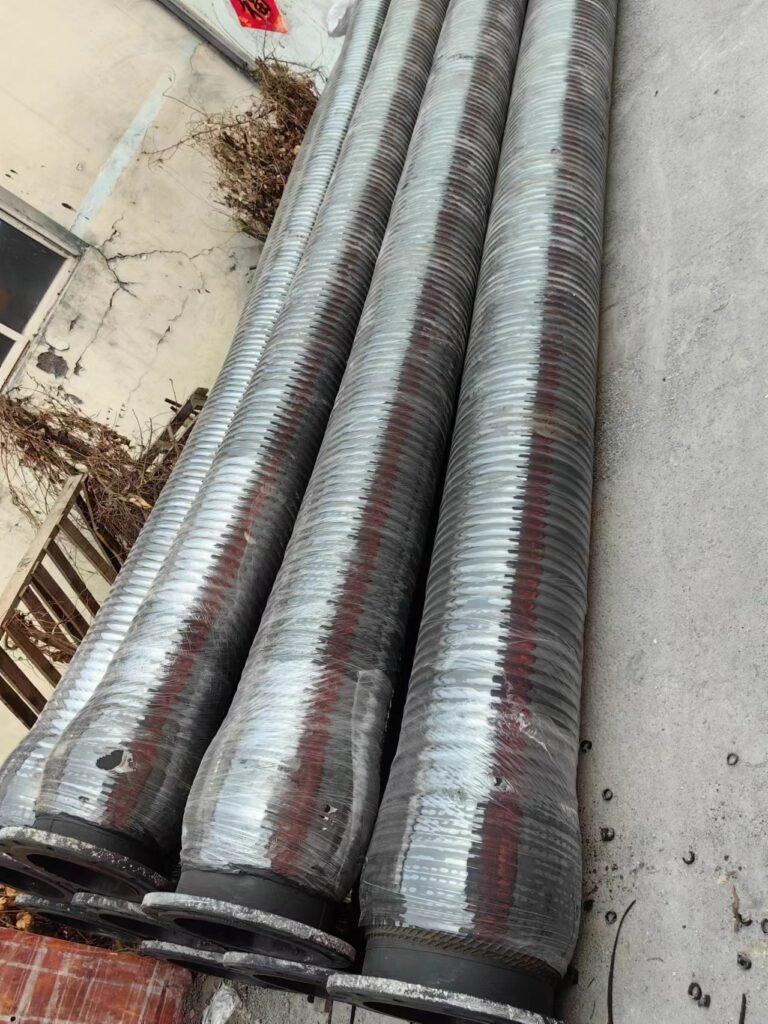
The quality of suction pipe steel wire skeletons can be assessed from several aspects: 1. Material Quality – Steel Wire Material: High-quality steel wire skeletons usually use high-carbon steel or stainless steel, which have better tensile strength and corrosion resistance. – Coating Quality: Check if the steel wire has an even galvanized layer or other […]
How to distinguish the quality of suction pipe pressure layers
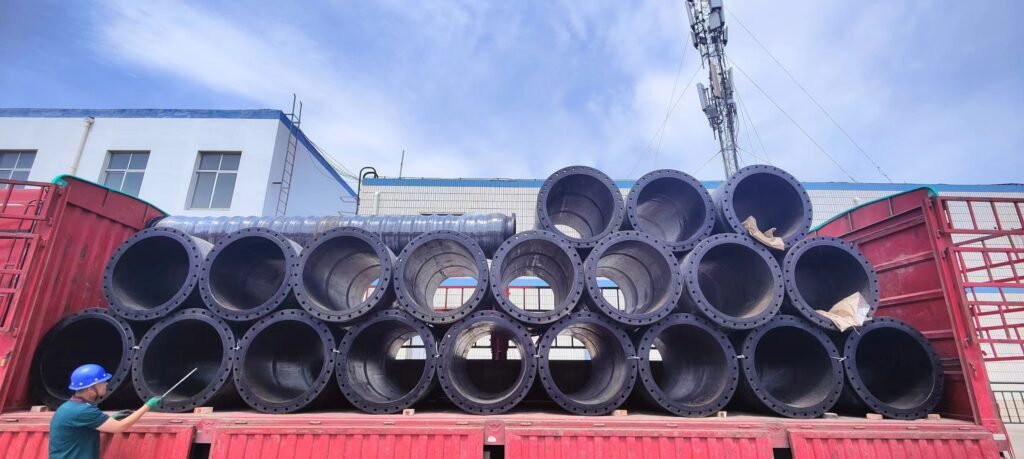
How to distinguish the quality of suction pipe pressure layers: The quality of the pressure layer directly affects the lifespan and performance of the pipeline. Here are several key indicators to differentiate between good and bad pressure layers: Main criteria: 1. Material quality – High-quality pressure layers use high-strength synthetic fibers (such as polyester, nylon) […]
How to Select Suction Rubber Hoses
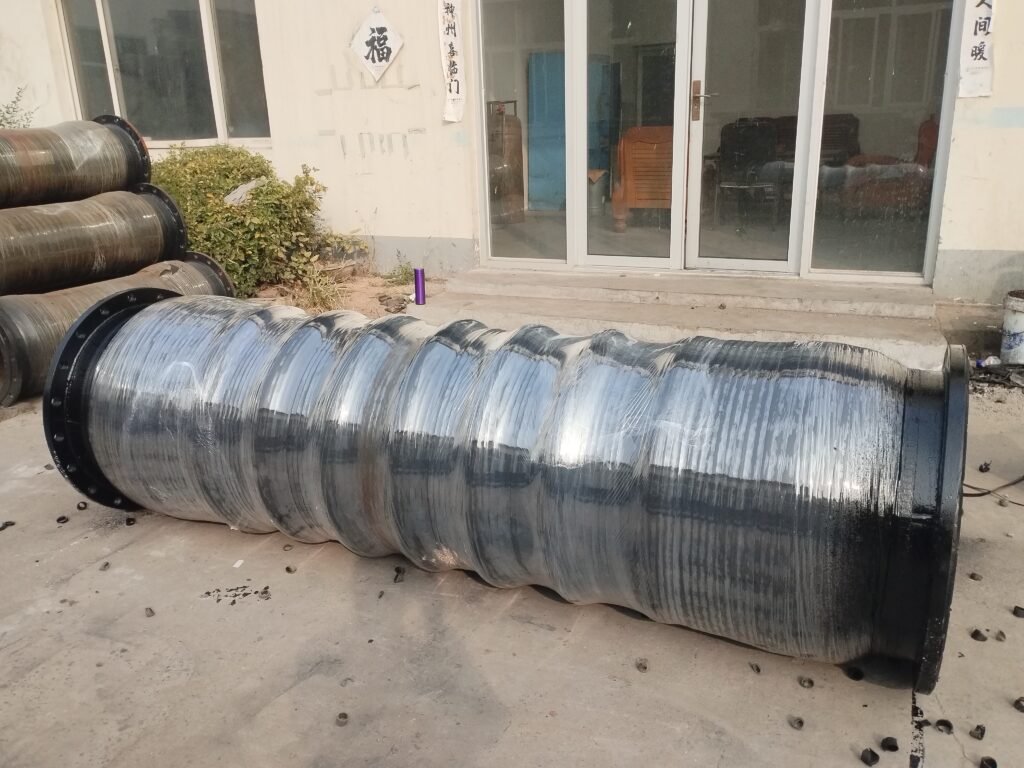
When selecting suction rubber hoses, consider factors such as operating conditions, material properties, structural design, and cost-effectiveness. Here are specific selection points: 1. Clarify Operating Requirements • Medium Type: Determine if it’s slurry (containing particles), clear water, corrosive liquids, or other mixtures. Slurry requires wear resistance, while chemical liquids need corrosion resistance. • Working Pressure: […]
How to Select Dredging Rubber Hoses?
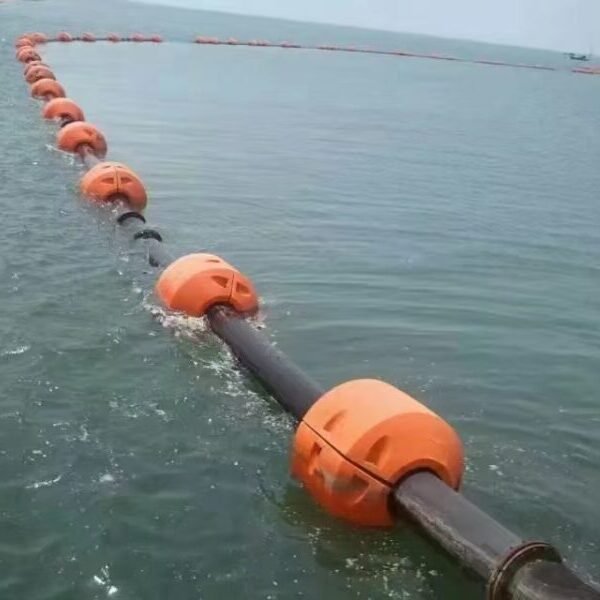
When selecting dredging rubber hoses, consider operational conditions, material properties, structural design, and cost-effectiveness. Here are key steps and considerations: 1. Define Operational Needs • Medium Type: Mud, gravel, sewage, or corrosive substances? Different media require varying levels of abrasion and corrosion resistance. • Particle Size and Hardness: Larger or sharp particles need higher abrasion […]
How to test the density of polyethylene float fillers?
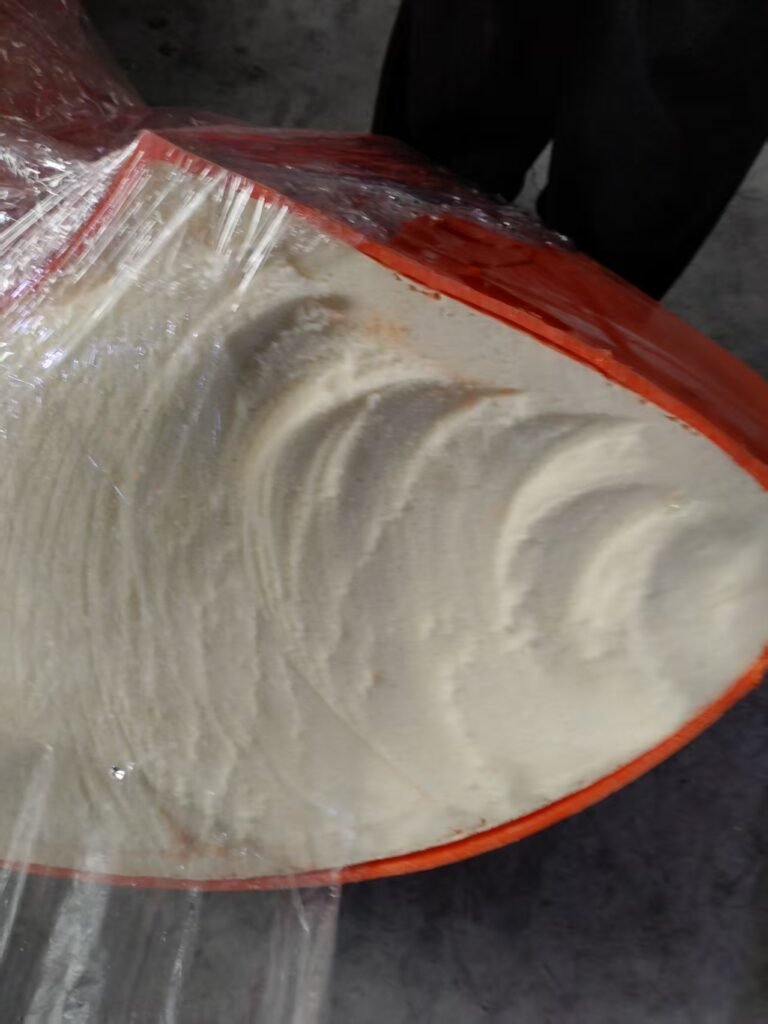
To test the density of polyethylene float fillers, follow these steps to ensure accurate and reliable results: 1. Prepare the sample • Sampling: Cut or remove a representative piece from the float filler (avoid surface coatings or impurities). • Cleaning: Clean the sample surface with alcohol or deionized water to remove dirt or bubbles. 2. […]
How to testing the thickness of polyethylene (PE) floats?
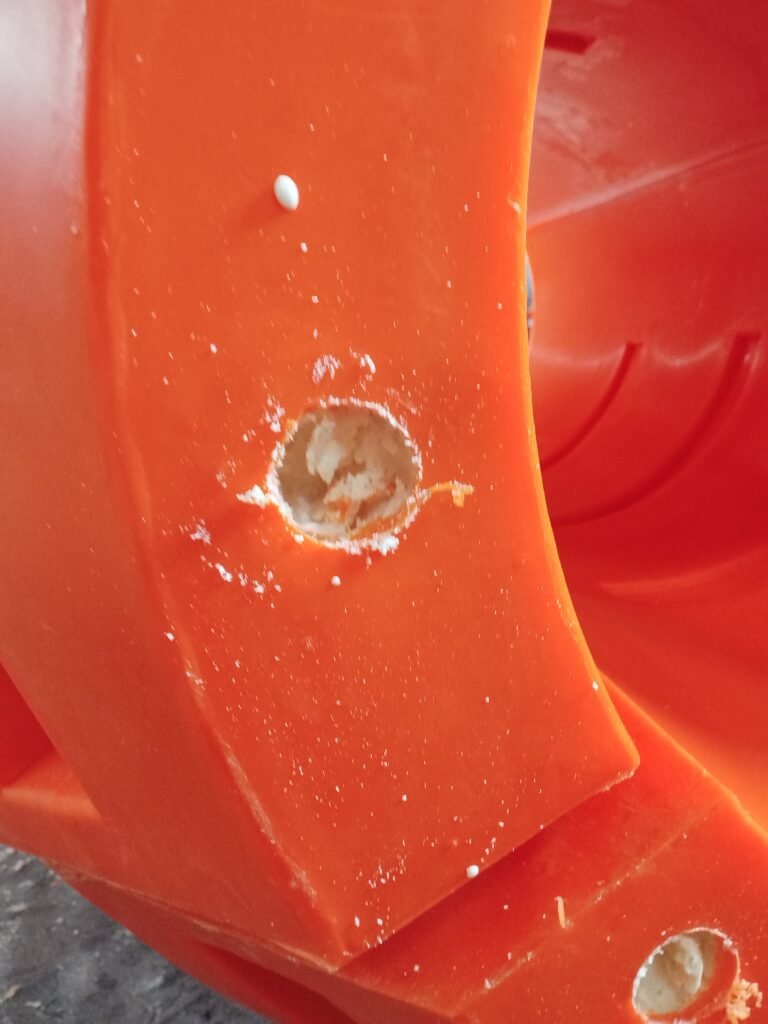
Testing the thickness of polyethylene (PE) floats is crucial for ensuring their quality and performance, especially in applications such as marine, aquaculture, and docks. Here are several common testing methods: 1. Ultrasonic Thickness Gauge • Principle: Uses the speed and time difference of ultrasonic waves traveling through the material to measure thickness. • Steps: 1. […]
How to assess the quality of polyethylene float?
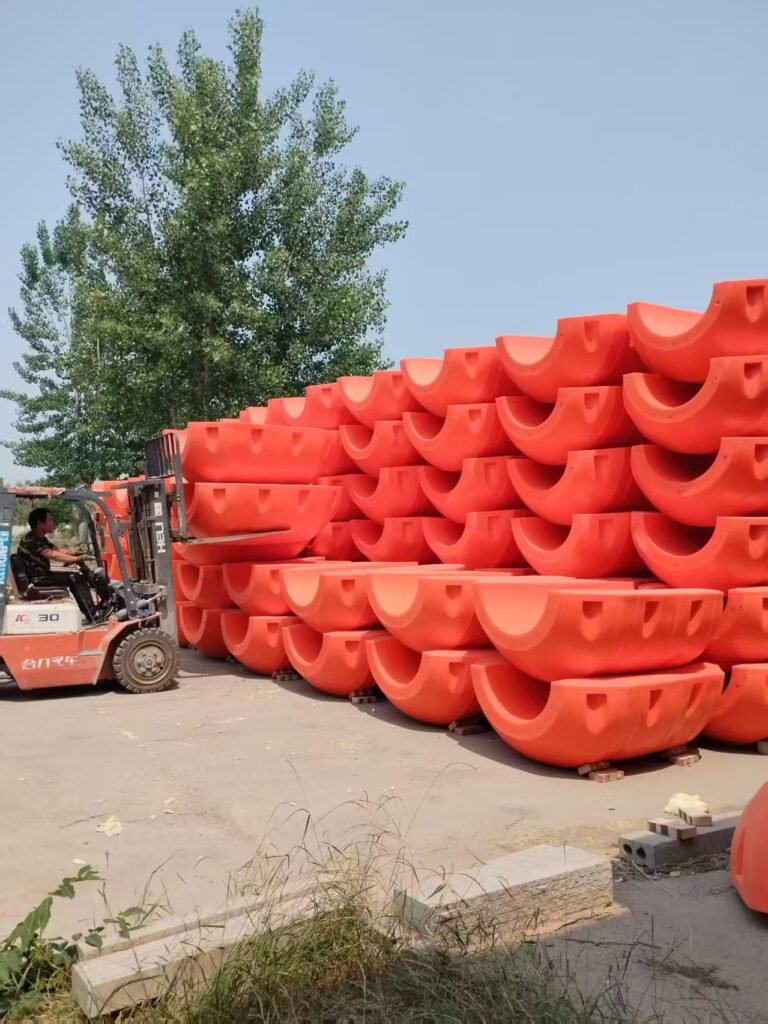
Assessing the quality of polyethylene floats involves evaluating material properties, production processes, structural design, and suitability for the intended environment. Here are specific methods for evaluation: 1. Material Quality – Raw Material Type – New Material (HDPE): High-density polyethylene (HDPE) offers excellent performance with strong resistance to aging and corrosion, low density (0.93-0.97 g/cm³), and […]
How to conduct bending tests on self-floating rubber hoses?
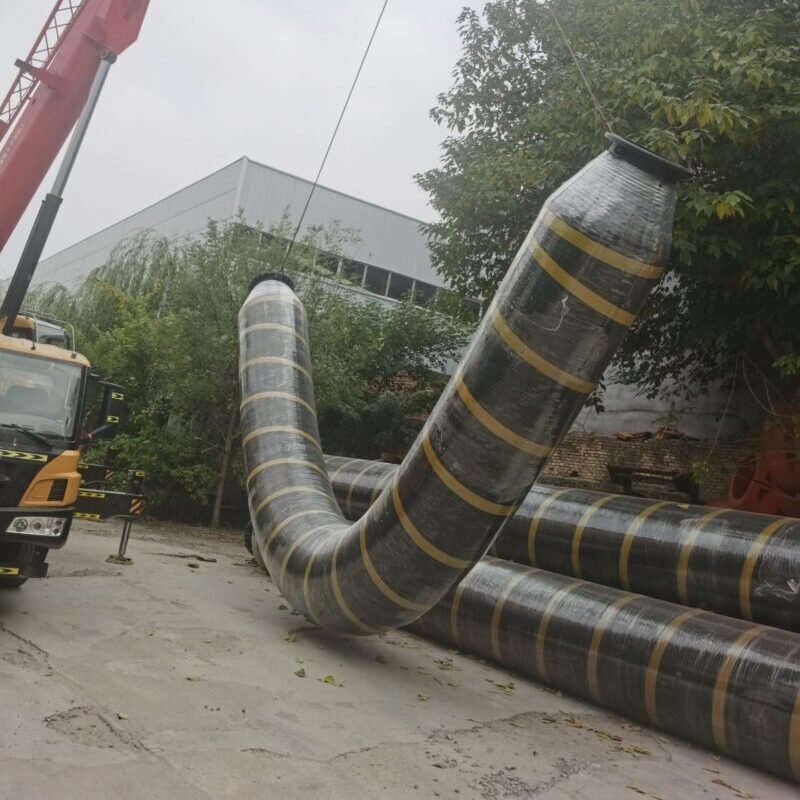
The purpose of the bending test for self-floating rubber hoses is to evaluate their flexibility, resistance to bending fatigue, and structural integrity, typically by simulating actual usage conditions. Here are the steps and precautions for the experiment: 1. Experimental Objectives: – Verify the hose’s sealing, crack resistance, and buoyancy stability when bent. – Detect material […]
How to choose self-floating pipes
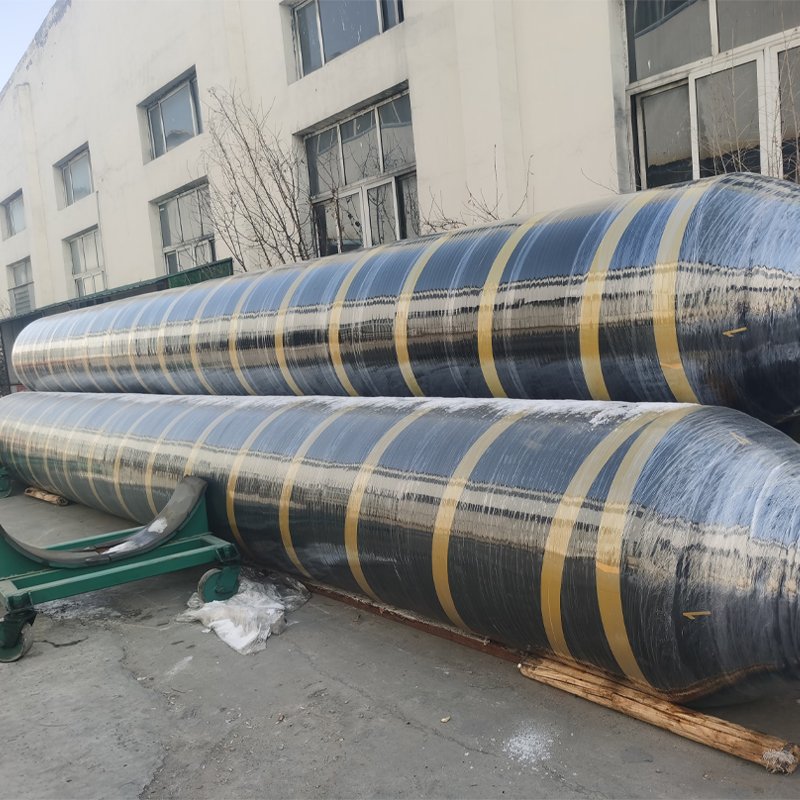
When choosing self-floating pipes (commonly used in water floating, Marine engineering, fishery breeding and other fields), factors such as materials, buoyancy, durability and environmental adaptability need to be comprehensively considered. The following are the specific selection points: 1. Clarify the application scenarios: such as buoyancy support for aquaculture cages, offshore operation platforms, floating Bridges, aeration […]