How to test the density of polyethylene float fillers?
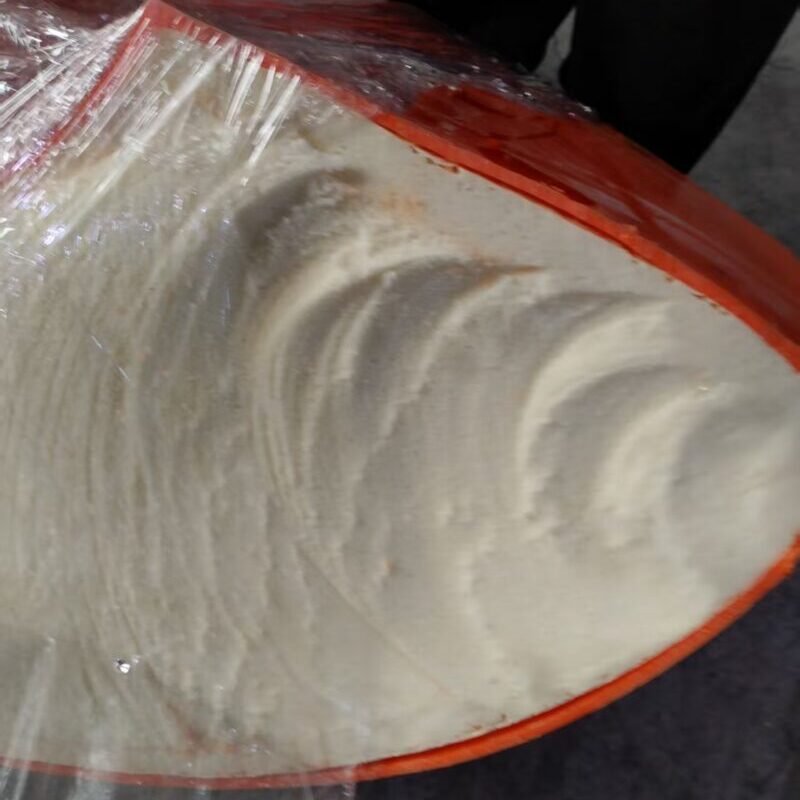
To test the density of polyethylene float fillers, follow these steps to ensure accurate and reliable results:
1. Prepare the sample
• Sampling: Cut or remove a representative piece from the float filler (avoid surface coatings or impurities).
• Cleaning: Clean the sample surface with alcohol or deionized water to remove dirt or bubbles.
2. Measure mass
• Tools: Use an electronic balance with at least 0.01 gram precision.
• Steps: Place the sample on the balance and record its dry mass (m), in grams (g).
3. Measure volume Method one: Displacement method (suitable for regular/irregular shapes)
• Materials: Beaker, string, distilled water, balance.
• Steps: 1. Fill the beaker with enough water to submerge the sample, record the initial water level (V_1). 2. Suspend the sample completely in the water using a string (avoid touching the sides/bottom of the beaker), record the new water level (V_2). 3. Volume V = V_2 – V_1 (units: cm³, 1 mL = 1 cm³). Method two: Dimension measurement method (only for regular shapes)
• Tools: Vernier caliper or micrometer.
• Steps: Measure length, width, and height (or diameter), calculate the volume (e.g., for a rectangular prism V = length × width × height).
4. Calculate density
• Formula: Density (ρ) = mass (m) / volume (V) (units: g/cm³) • Example: If m = 50 g and V = 55 cm³, then ρ = 50/55 ≈ 0.91 g/cm³. 5. Verification and precautions
• Multiple measurements: Repeat three times and take the average to reduce error.
• Temperature correction: Water density changes with temperature (negligible at room temperature, calibration needed for high precision).
• Bubble treatment: Ensure no bubbles are attached to the sample’s surface (use wetting agents or ultrasonic cleaning).
• Porosity impact: If the material is porous, specify test conditions (e.g., whether closed cells are included).