How to Select Dredging Rubber Hoses?
When selecting dredging rubber hoses, consider operational conditions, material properties, structural design, and cost-effectiveness. Here are key steps and considerations:
1. Define Operational Needs
• Medium Type: Mud, gravel, sewage, or corrosive substances? Different media require varying levels of abrasion and corrosion resistance.
• Particle Size and Hardness: Larger or sharp particles need higher abrasion resistance and impact resistance (e.g., steel wire reinforcement or polyurethane layer).
• Working Pressure: High-pressure conditions require reinforced layers (e.g., multi-layer steel wire braiding/wrapping).
• Temperature Range: Standard rubber (-20°C to 80°C), extreme temperatures require special rubbers (e.g., silicone, fluororubber).
• Bending Frequency: Frequent bending requires flexible hose bodies (e.g., short fiber-reinforced rubber).
2. Material Selection
• Inner Liner:
◦ Natural Rubber (NR): High elasticity, suitable for general mud.
◦ Styrene-Butadiene Rubber (SBR): Good abrasion resistance, commonly used.
◦ Chloroprene Rubber (CR): Oil-resistant and age-resistant, suitable for oily wastewater.
◦ Polyurethane (PU): Ultra-high abrasion resistance, suitable for sharp particles.
• Reinforcement Layer:
◦ Steel Wire Braiding/Wrapping: High pressure and high tensile force scenarios (e.g., deep-sea dredging).
◦ Polyester Fiber: Medium-low pressure, lightweight requirements.
• Outer Cover:
◦ Weather-resistant and UV-resistant (e.g., CR or EPDM).
3. Structural Design
• Abrasion Resistance:
◦ Ceramic/Polyurethane Lining: Extreme wear environments.
◦ Thickened Inner Liner: Cost-effective for moderate wear conditions.
• Pressure Resistance:
◦ Multi-layer Reinforcement: Recommend steel wire reinforcement when pressure ≥ 1.0 MPa.
◦ Spiral Steel Wire Skeleton: Prevents negative pressure collapse.
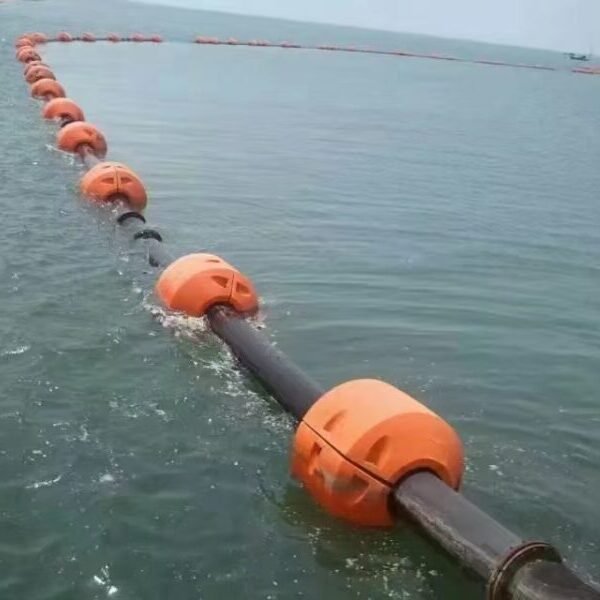
• Buoyancy Requirement:
◦ Floating materials can be applied if needed (e.g., foam layer).
4. Key Parameter Verification
• Diameter (DN): Match pump flow rate, common sizes range from 100 to 1200 mm.
• Length and Connections:
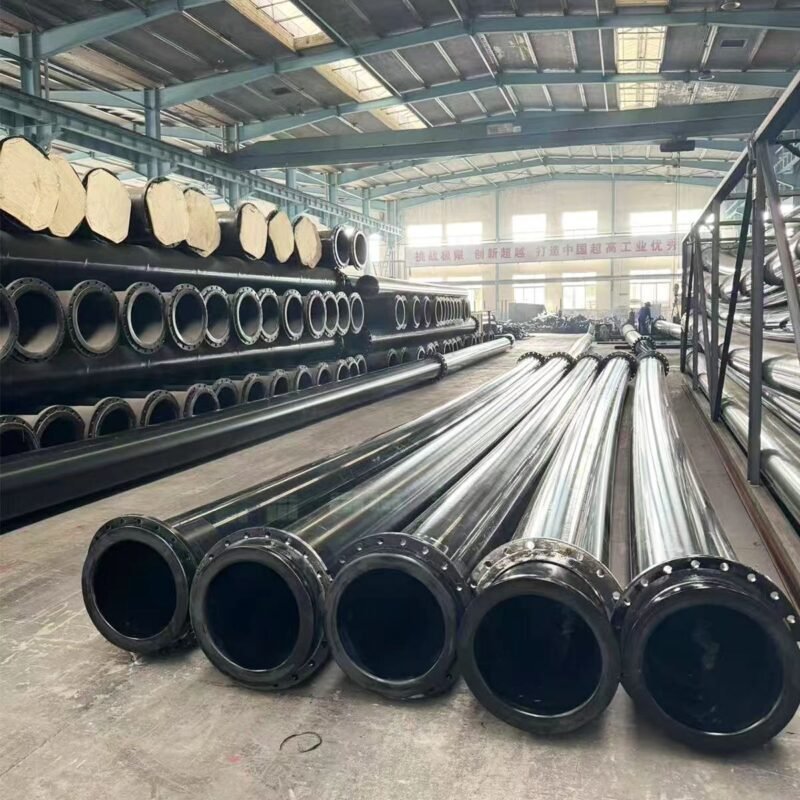
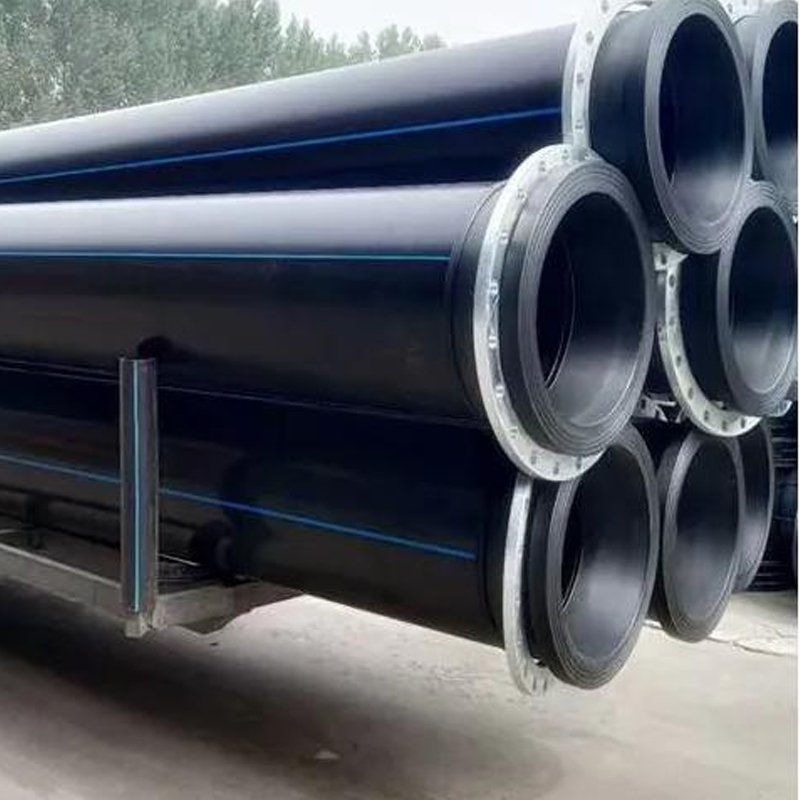
◦ Flange Connection: High pressure, large diameter.
◦ Quick Coupling: Frequent assembly/disassembly.
• Certification Standards: Comply with ISO 4649 (abrasion) and GB/T 18947 (dredging-specific) standards.
5. Brand and After-sales Service
• Renowned Brands: Goodyear, Continental, Trelleborg (international), Shuangzhen, Xiangliu (domestic).
• After-sales Service: Warranty period (typically 1-3 years), maintenance support.
6. Economic Considerations
• Initial Cost vs. Lifespan: High abrasion-resistant hoses may have higher unit prices but lower long-term replacement costs.
• Domestic Alternatives: Domestic premium brands offer better value for money, suitable for projects with limited budgets.
Recommended Process
1. Assess Operational Conditions → 2. Select Materials/Structures → 3. Verify Parameters → 4. Compare Suppliers → 5. Sample Testing (e.g., abrasion tests).
Example Selection
• Scenario: Inland river dredging, transporting sandy gravel wastewater, pressure 0.8 MPa.
• Recommendation: SBR inner layer + polyester fiber reinforcement + CR outer cover, DN500, flange connection, domestic premium brand.
By systematically analyzing needs and parameters, risks such as burst pipes and rapid wear can be significantly reduced.