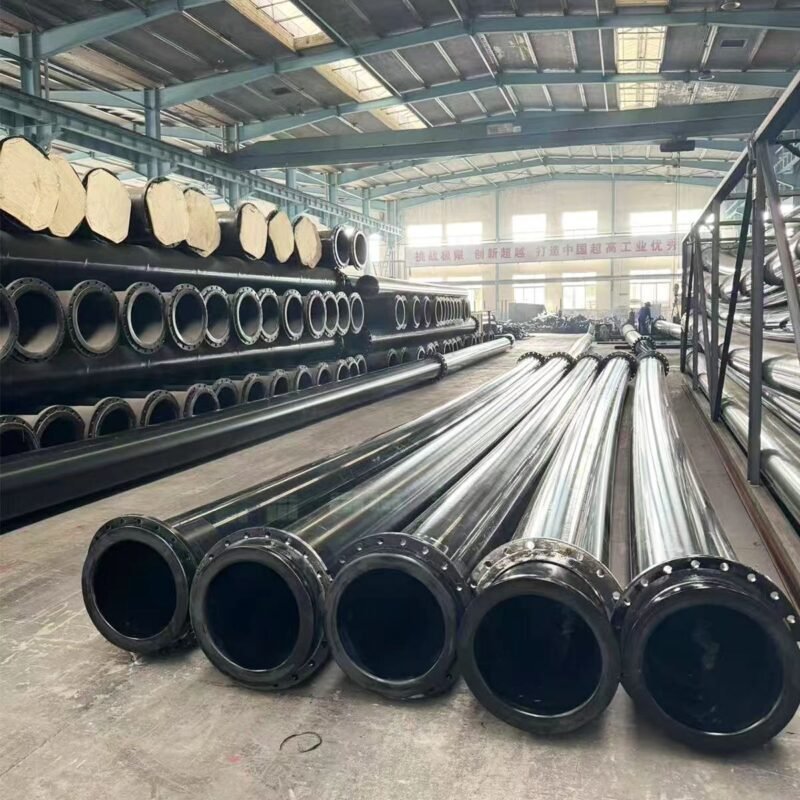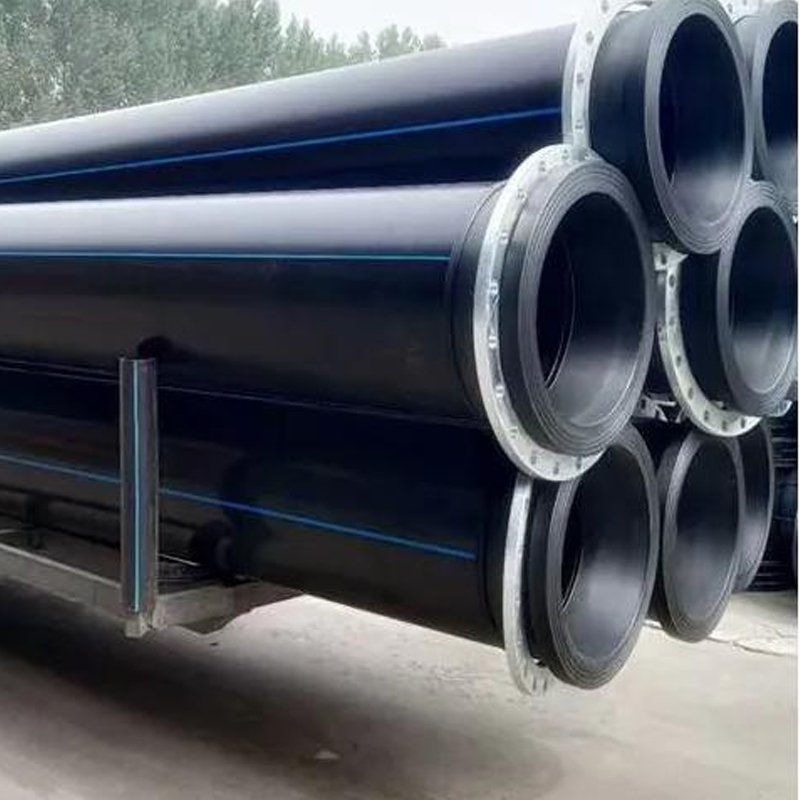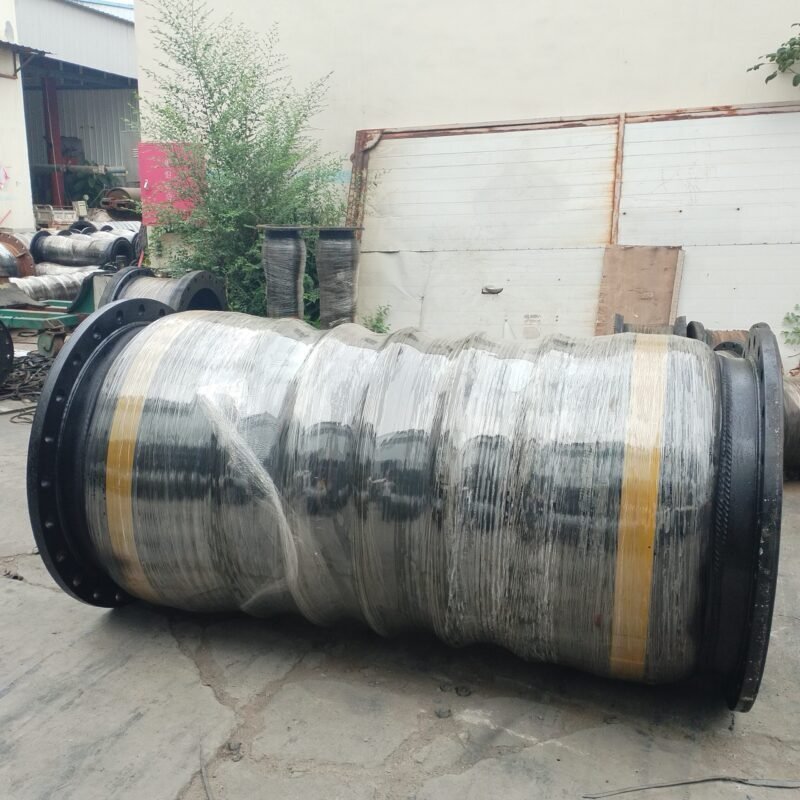
The steel ring skeleton is a crucial component of suction pipes, directly affecting the pipe’s lifespan and performance. Here’s how to identify its advantages and disadvantages:
Main Advantages
1. High-quality Material
◦ Uses high-strength steel (such as Q235 or higher grades)
◦ Uniform galvanized surface with no missed coating areas
◦ Steel thickness meets standard requirements
2. Well-designed Structure
◦ Evenly spaced steel rings
◦ Secure connections between rings
◦ Good overall flexibility, easy to bend without deformation
3. Superior Craftsmanship
◦ Smooth weld points without burrs
◦ No false or missing welds
◦ Uniform surface treatment with no rust marks
Main Disadvantages
1. Material Issues
◦ Use of low-quality steel, prone to rusting and deformation
◦ Thin or uneven galvanized layer, easily peeling off
◦ Insufficient steel thickness, poor pressure resistance
2. Structural Defects
◦ Uneven spacing of steel rings
◦ Loose or poorly welded joints
◦ Overall too hard or too soft, affecting usability
3. Rough Processing
◦ Rough weld points with burrs
◦ Inadequate surface treatment, with rust spots
◦ Uneven edges, easily damaging the inner lining of the pipe
Testing Methods
1. Visual Inspection: Check surface treatment, welding quality, and overall structure
2. Hand Test: Assess flexibility and the firmness of the steel rings
3. Measuring Tools: Use calipers to measure steel thickness and steel ring diameter
4. Bending Test: Bend slightly to check for deformation or breakage
5. Galvanization Test: Check the adhesion and thickness of the galvanized layer
When selecting, consider these factors comprehensively to ensure the steel ring skeleton meets actual operational needs.