
How to choose the right tapered floating hose
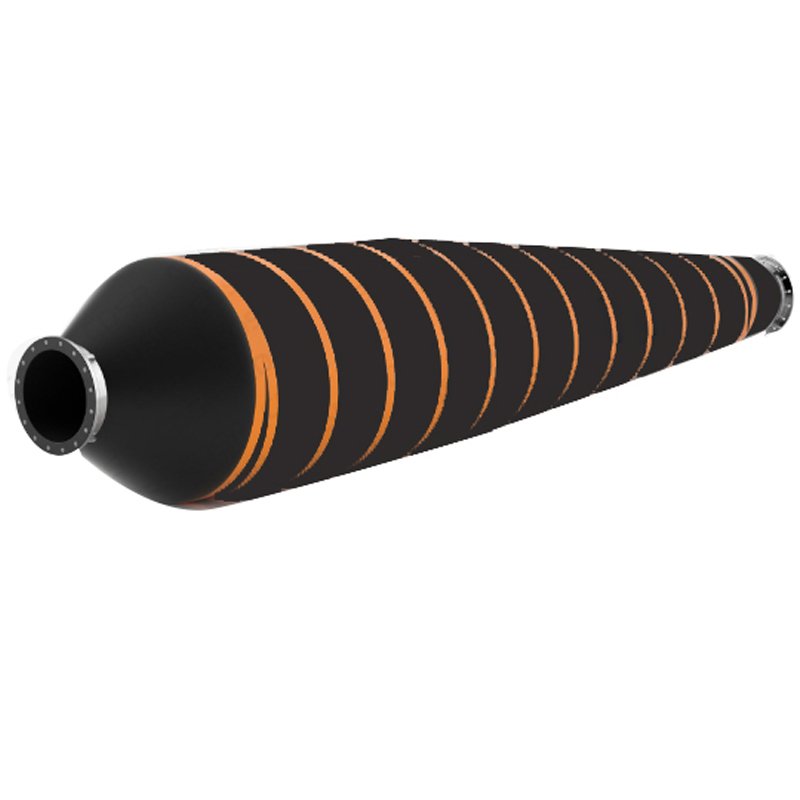
Choosing the right tapered floating hose involves considering several factors, including the application, material, size, buoyancy requirements, and environmental conditions. Here is a detailed selection guide: 1. Clarify Application Needs – Purpose: Used for marine/ocean oil transfer, chemical transportation, dredging projects, water firefighting, etc.? – Medium: Transporting oil, chemicals, slurry, or freshwater? Different media have […]
How to distinguish the advantages and disadvantages of dredging armored pipelines
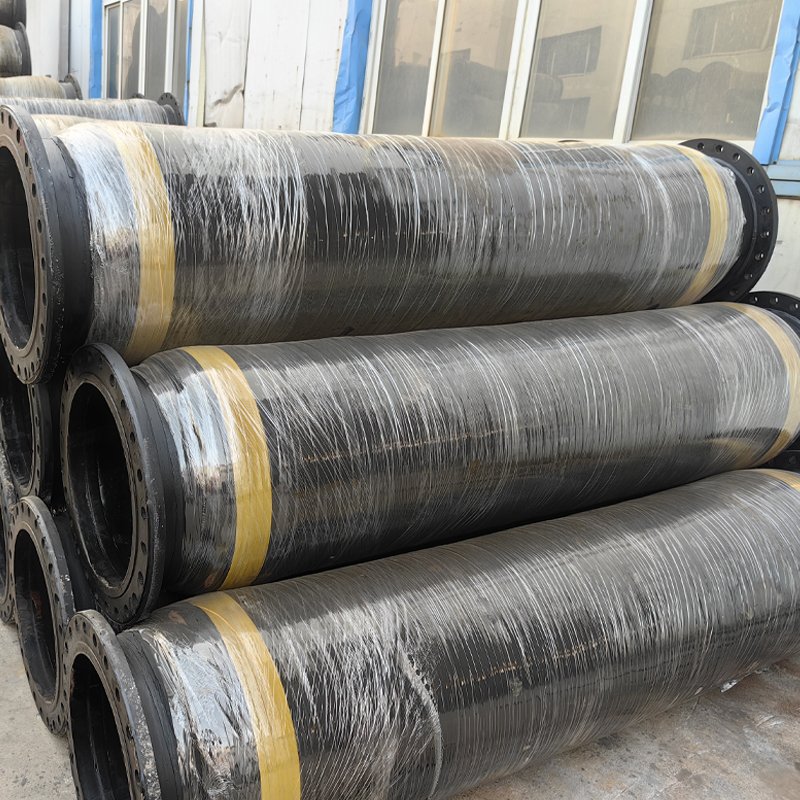
Dredging armored pipelines are important equipment for underwater dredging projects. Correctly evaluating their pros and cons is crucial for project selection. Here are methods to identify the advantages and disadvantages of dredging armored pipelines: Advantages Identification 1. Durability Assessment ◦ Observe the thickness and quality of the outer armor material (usually high-strength steel) ◦ Check […]
How to distinguish between suction and discharge functions of dredging armored pipes:

The suction and discharge functions of dredging armored pipes (used on dredgers) can be identified through several methods: Main distinguishing methods: 1. Pipe color coding (the most common method): – Suction pipes are usually red or orange. – Discharge pipes are typically blue or green. 2. Difference in pipe diameter: – Suction pipes generally have […]
How to choose armored rubber hoses
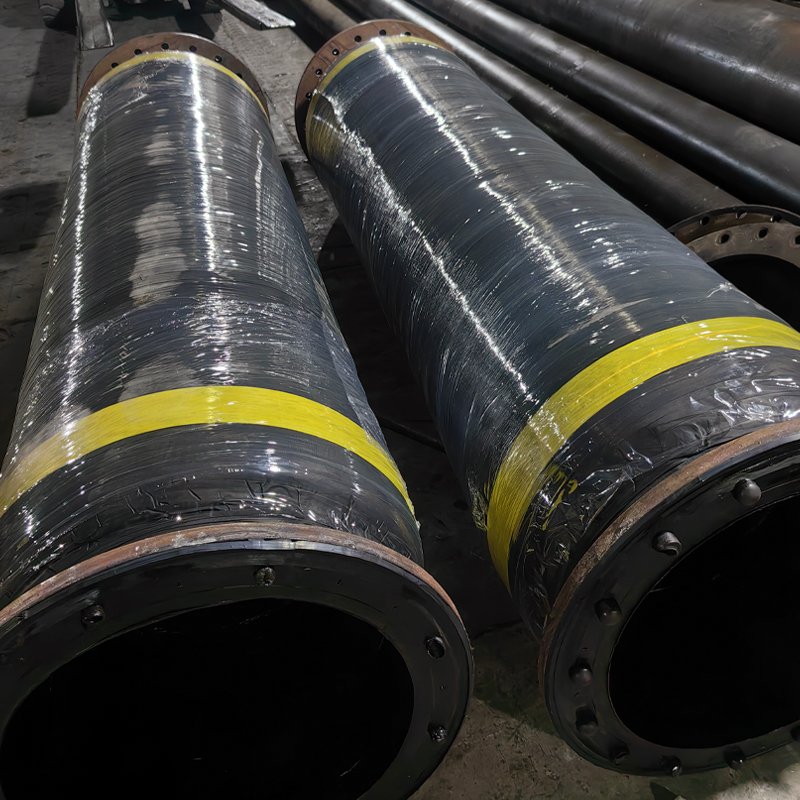
When selecting armored rubber hoses, consider the application scenario, performance requirements, and environmental conditions. Here are key steps and considerations: 1. Clarify usage needs: – Medium type: Confirm the conveyed medium (water, oil, chemicals, gases, etc.) to ensure compatibility between the rubber material and the medium. – General media: Options include natural rubber (NR) and […]
How to distinguish the quality of cable floats
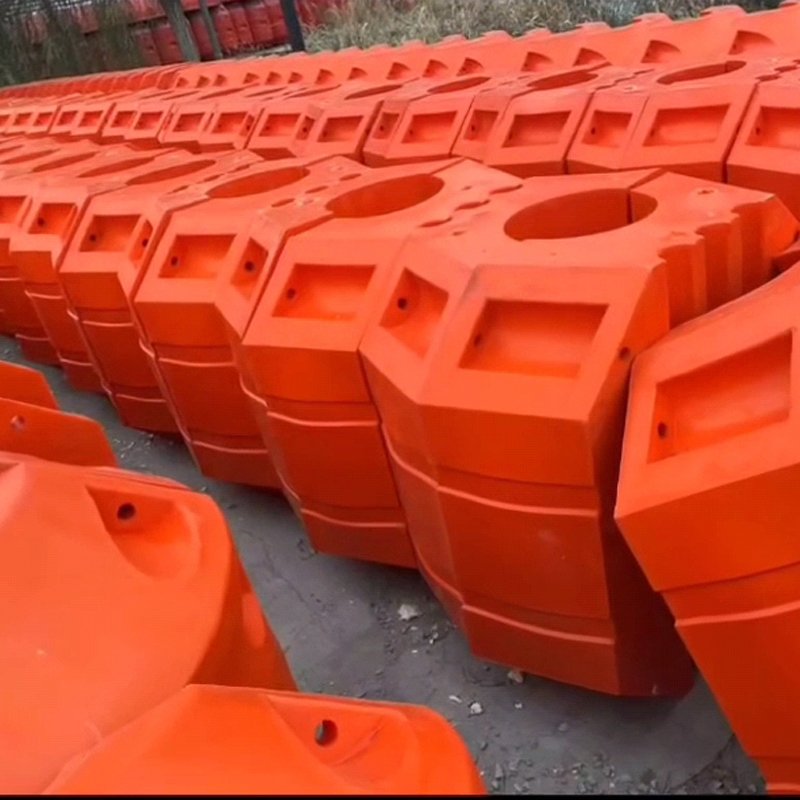
The quality of cable floats (also known as cable buoys or float markers) directly affects their service life and performance. Here are several key points to identify good cable floats: 1. Material Quality – High-quality materials: Good cable floats usually use high-density polyethylene (HDPE) or polyurethane (PU) materials, which have corrosion resistance and anti-aging properties. […]
How to testing the abrasion resistance of HDPE pipes
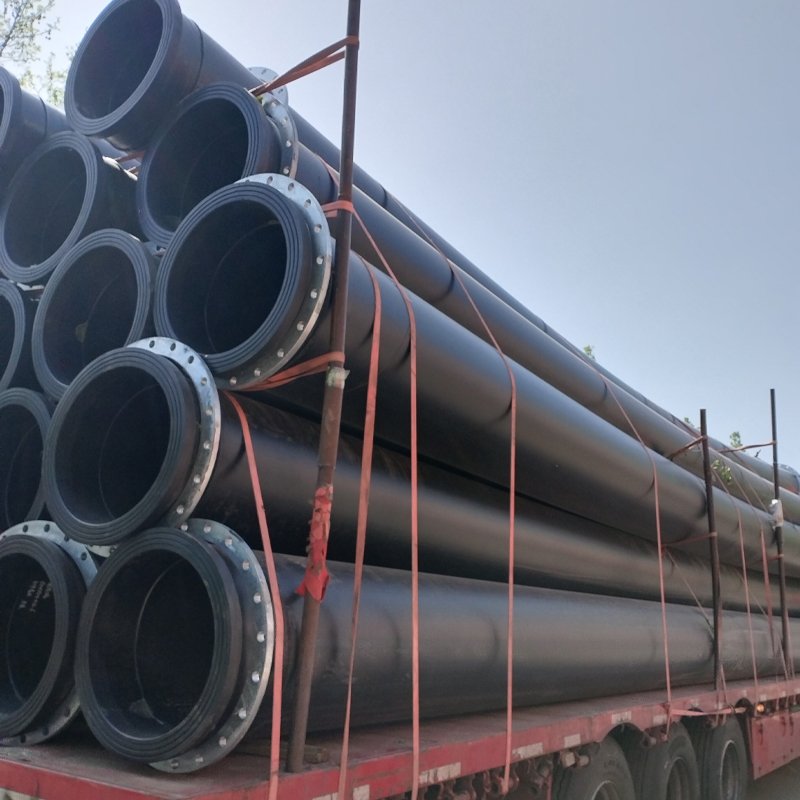
Testing the abrasion resistance of HDPE pipes involves using standard methods and simulating actual application scenarios. Here are common testing methods and steps: 1. Standard Testing Methods (1) ASTM D4060 – Taber Abrasion Test – Principle: Rotating abrasive wheels apply pressure on the pipe surface, measuring mass loss or wear depth after a certain period. […]
How to test the flexibility of HDPE pipes
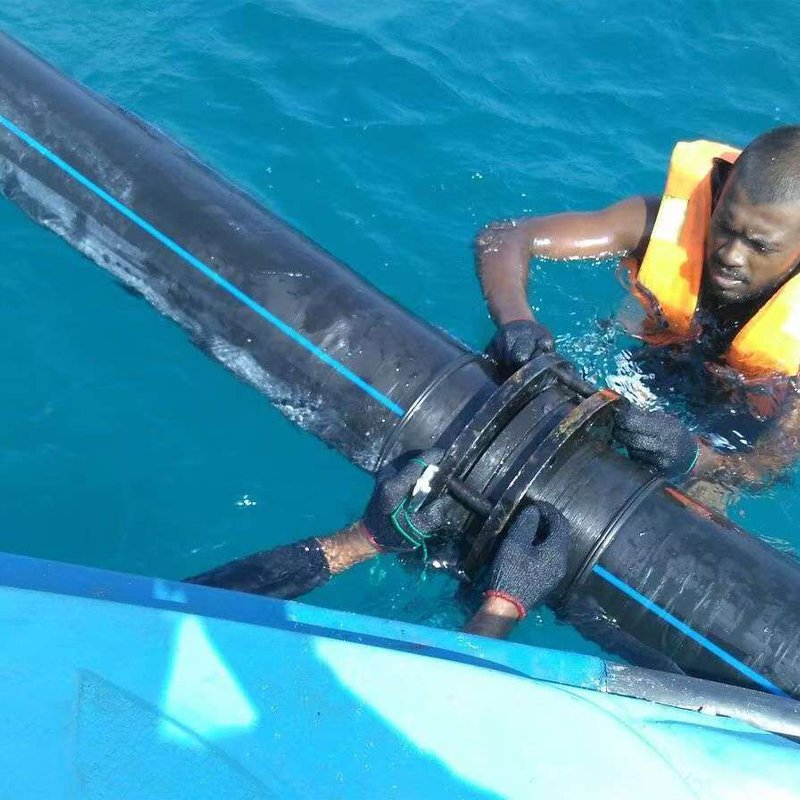
Testing the flexibility of HDPE (high-density polyethylene) pipes involves combining standard methods with practical application scenarios. Here are common testing methods and steps: 1. Bending Test (Standard Method) – Purpose: Evaluate the pipe’s resistance to deformation and elasticity when bent. – Steps: 1. Sample Preparation: Cut a section of HDPE pipe (typically 10-20 times the […]
How to Conduct a Static Hydrostatic Test
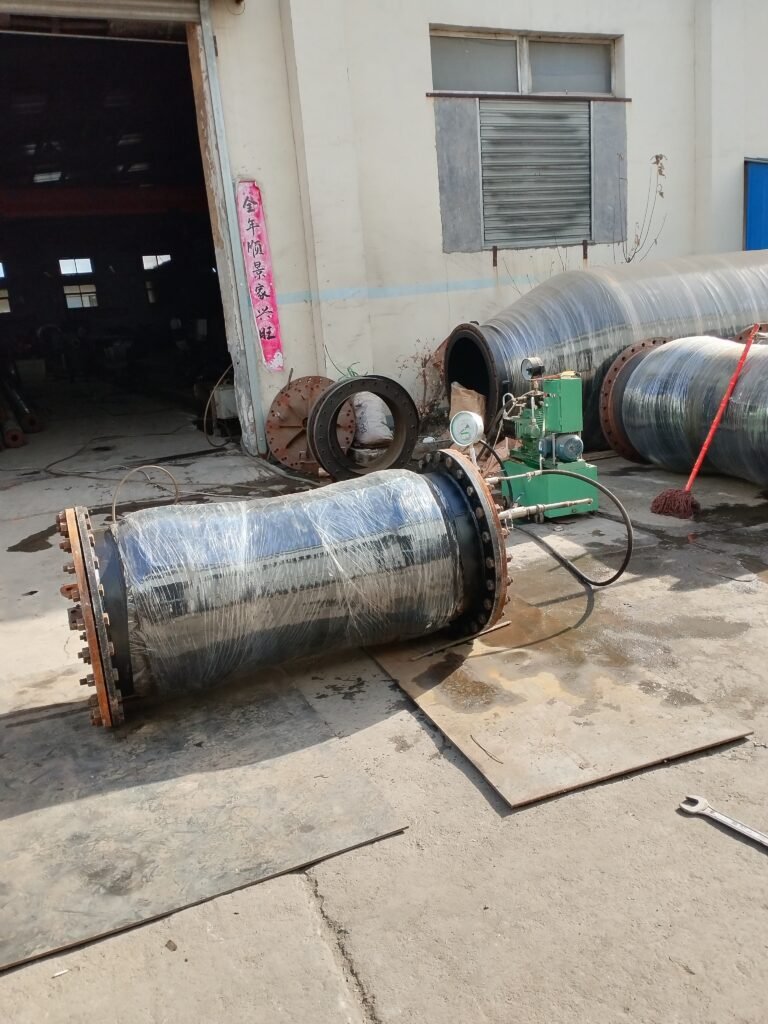
A static hydrostatic test is an important method for checking the sealing and strength of pipelines, containers, or equipment, suitable for water supply pipelines, fire protection systems, pressure vessels, etc. Here are detailed operational steps and precautions: I. Preparations Before Testing 1. Check System Status ◦ Ensure that the tested pipeline or equipment is installed, […]
How to distinguish the quality of the outer rubber layer of dredging hoses
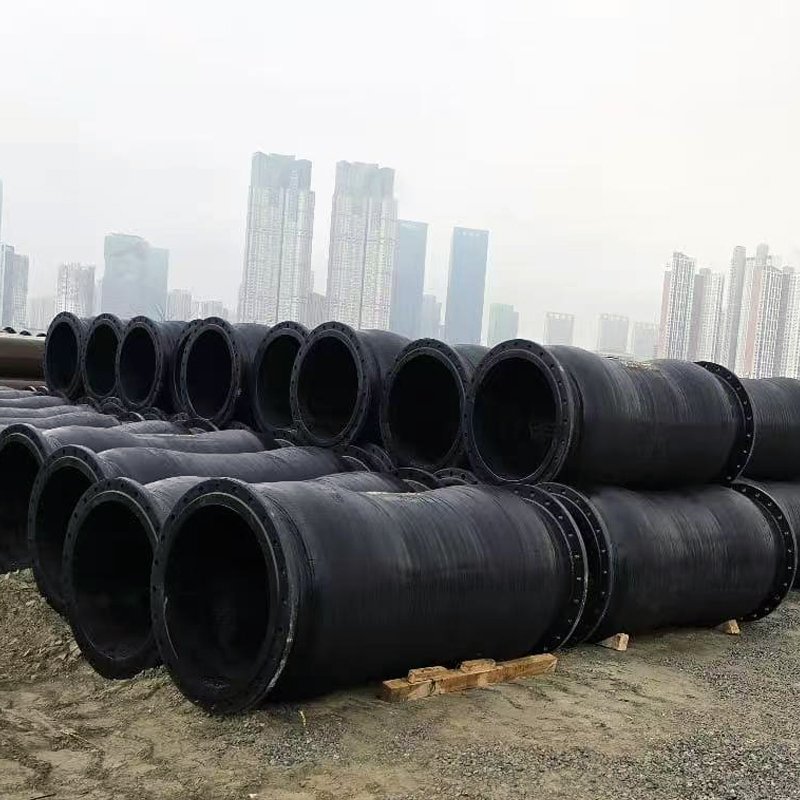
How to distinguish the quality of the outer rubber layer of dredging hoses: The quality of the outer rubber layer directly affects the service life and performance of the pipeline. Here are several methods to judge the quality of the outer rubber layer: 1. Visual Inspection: – Surface Smoothness: A high-quality outer rubber layer should […]
How to Select Dredging Pipelines

Selecting dredging pipelines involves considering various factors such as project requirements, environmental conditions, material properties, and cost-effectiveness. Here are specific steps and key points for selection: 1. Clarify Project Requirements – Sludge Discharge Distance: For short distances (<1km), choose ordinary steel pipes or HDPE pipes; for long distances, consider wear-resistant and high-pressure resistant materials like […]