How to distinguish the quality of the outer rubber layer of dredging hoses
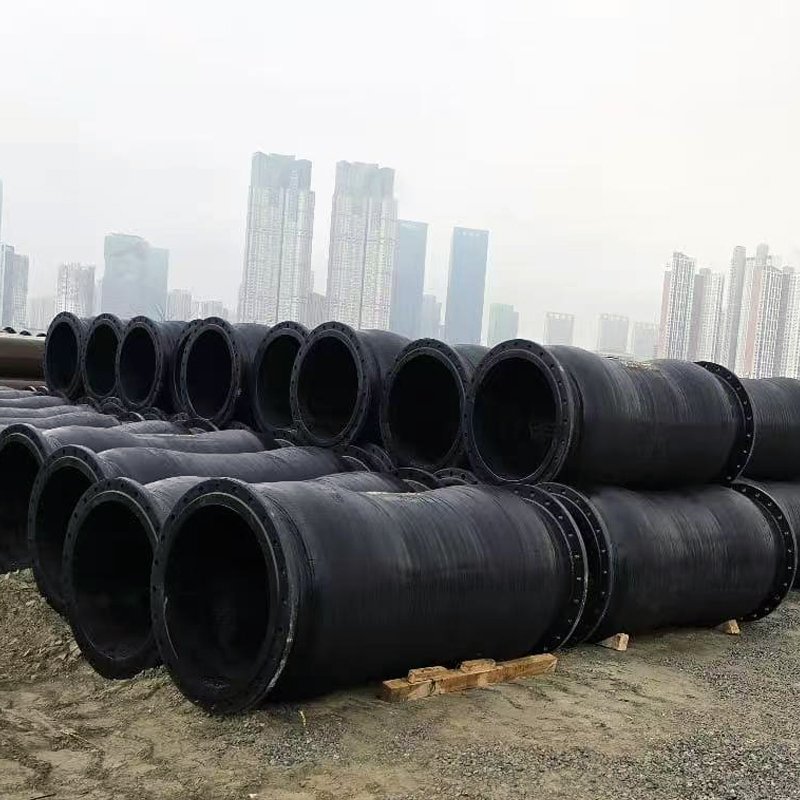
How to distinguish the quality of the outer rubber layer of dredging hoses: The quality of the outer rubber layer directly affects the service life and performance of the pipeline. Here are several methods to judge the quality of the outer rubber layer:
1. Visual Inspection:
– Surface Smoothness: A high-quality outer rubber layer should have a smooth and uniform surface, free from obvious bumps or bubbles.
– Color Consistency: Good outer rubber layers should have an even color without significant color differences or discolored areas.
– Absence of Cracks or Checking: Check for any fine cracks or signs of aging.
2. Physical Performance Testing:
– Elasticity Test: After pressing with fingers, it should quickly return to its original shape without permanent deformation.
– Abrasion Resistance: Lightly scraping with a fingernail should not leave noticeable marks.
– Flexibility: Bending should not result in cracks or creases.
3. Professional Testing Methods:
– Hardness Test: Use a hardness tester to measure, ensuring it meets product specifications.
– Thickness Measurement: Use a thickness gauge to check if the outer rubber layer’s thickness is uniform and up to standard.
– Weather Resistance Inspection: Observe for signs of UV aging, oxidation, etc.
Additional Considerations:
– Check if the product has a certificate of conformity and quality guarantee.
– Check the production date to avoid using products that have been stored for too long.
– Compare physical samples of different brand products.
An excellent outer rubber layer should have properties such as wear resistance, anti-aging, and UV resistance, effectively protecting the inner structure of the pipeline.