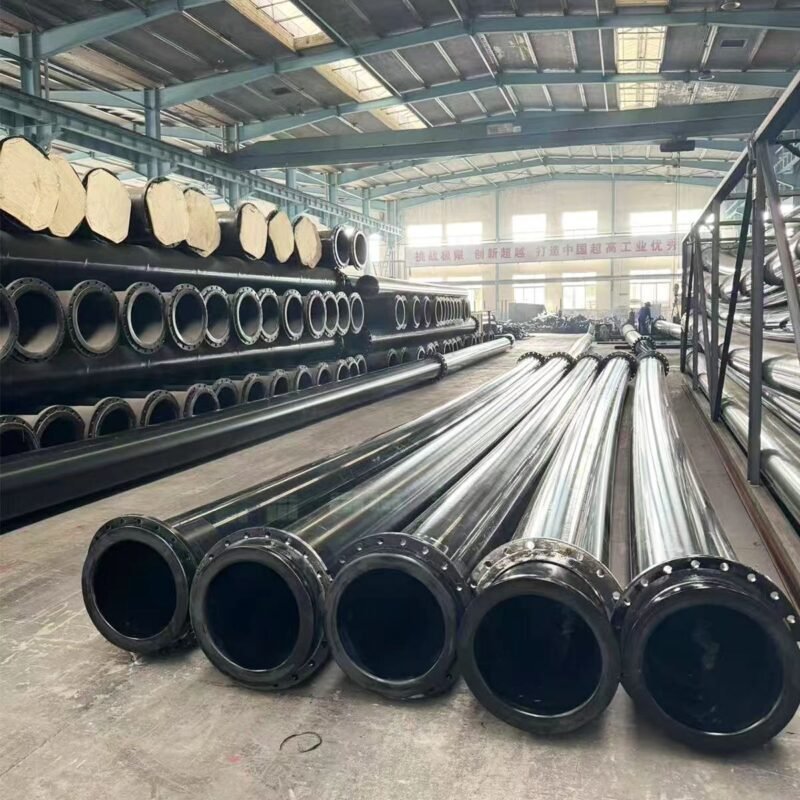
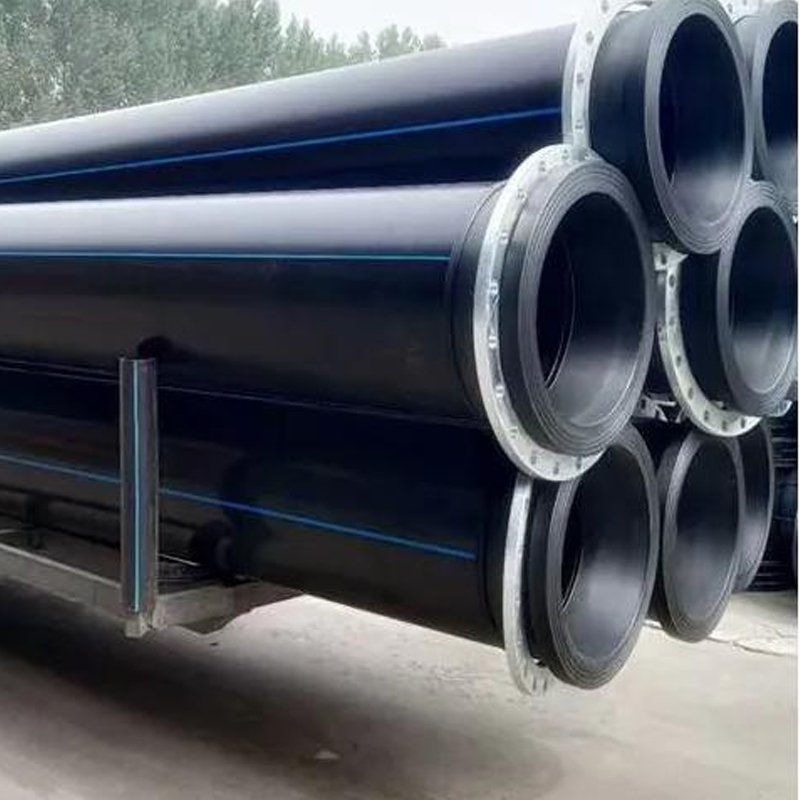
How to test the flexibility of HDPE pipes
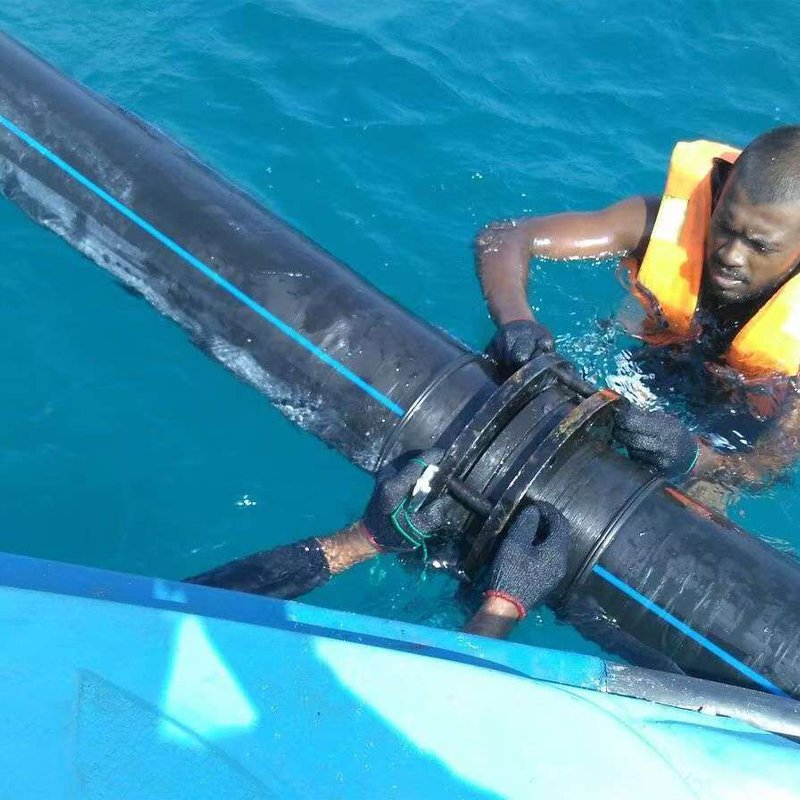
Testing the flexibility of HDPE (high-density polyethylene) pipes involves combining standard methods with practical application scenarios. Here are common testing methods and steps:
1. Bending Test (Standard Method)
– Purpose: Evaluate the pipe’s resistance to deformation and elasticity when bent.
– Steps:
1. Sample Preparation: Cut a section of HDPE pipe (typically 10-20 times the pipe diameter).
2. Fix One End: Secure one end of the pipe and slowly apply lateral force to bend it.
3. Observe Deformation:
– Record any creases, cracks, or whitening at specified angles (e.g., 90°, 180°).
– Check if it returns to its original shape after releasing the force (elasticity).
4. Standard Reference: Refer to ASTM D790 (Standard Test Methods for Flexural Properties of Plastics) or ISO 178.
2. Flattening Test (Flattening Test)
– Purpose: Assess the pipe’s flexibility and resistance to destruction under pressure.
– Steps:
1. Place the HDPE pipe horizontally between two parallel plates.
2. Slowly apply pressure to flatten the pipe to 40%-50% of its outer diameter (specific ratio based on product standards).
3. Hold the pressure for 1-5 minutes and then release, observing for any cracking or permanent deformation.
4. Acceptance Criteria: No cracks and partial recovery.
3. Low-Temperature Flexibility Test
– Purpose: Verify the pipe’s flexibility in low-temperature environments (HDPE may become brittle at low temperatures).
– Steps:
1. Place the pipe in a low-temperature environment (e.g., -20°C or as required by application) for 24 hours.
2. Immediately perform bending or impact tests (e.g., drop weight impact test) after removal.
3. Inspect for surface cracking or brittleness.
4. Repeated Bending Fatigue Test
– Purpose: Simulate long-term dynamic load flexibility (e.g., underground pipes affected by soil movement).
– Steps:
1. Secure one end of the pipe and repeatedly bend the other end (e.g., ±30° cycles).
2. Record the number of cycles before cracks or breaks appear.
3. Reference Standard: ASTM D671 (Fatigue Testing).
5. Practical Application Simulation Test
– Scenario Simulation:
– Burial Test: Bury the pipe in sand or soil and apply periodic pressure to simulate vehicle loads.
– Installation Bending: Bend the pipe to the minimum allowable bending radius (usually 20-25 times the pipe diameter) during installation and check for deformation.
6. Laboratory Instrument Tests
– Tensile Testing Machine: Measure parameters such as elastic modulus and yield strength to indirectly assess flexibility.
– Differential Scanning Calorimeter (DSC): Analyze material crystallinity (higher crystallinity may reduce flexibility).
Notes:
1. Temperature Impact: HDPE’s flexibility varies significantly with temperature; tests should be conducted at standard temperatures (e.g., 23±2°C) or actual usage temperatures.
2. Pipe Specifications: Flexibility can vary greatly with different wall thicknesses and diameters; refer to product standards.
3. Destructive vs Non-Destructive: Some tests (like flattening tests) may damage samples; choose according to needs.
By using these methods comprehensively, one can fully understand whether the HDPE pipe’s flexibility meets engineering requirements (such as for water supply, gas transportation, or cable protection applications). For formal projects, it is recommended to commission third-party testing agencies to conduct tests according to international/national standards.