Ultra-High Molecular Weight Pipe Maintenance and Care Guide
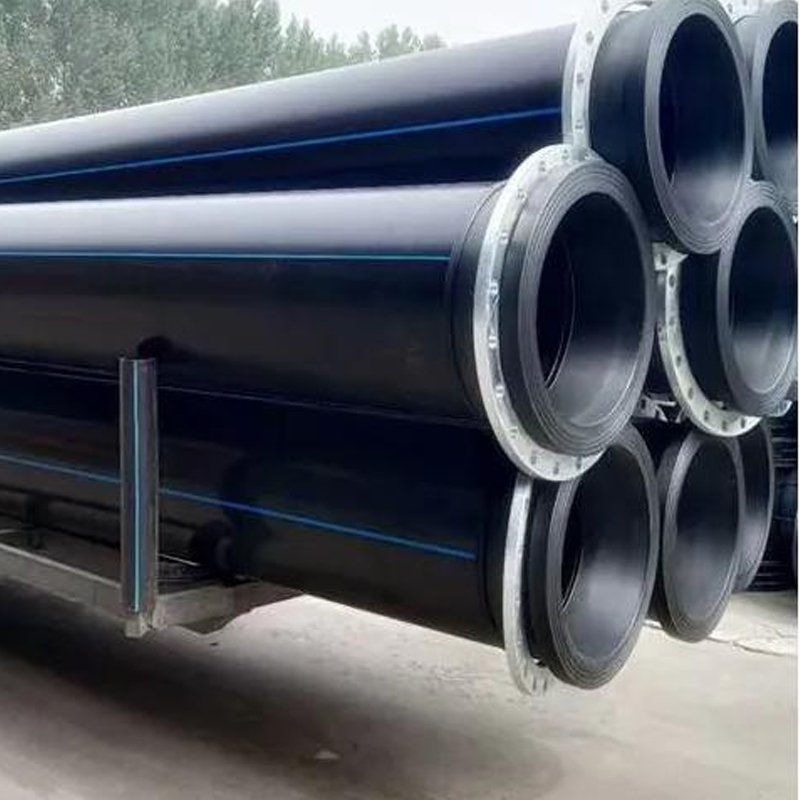
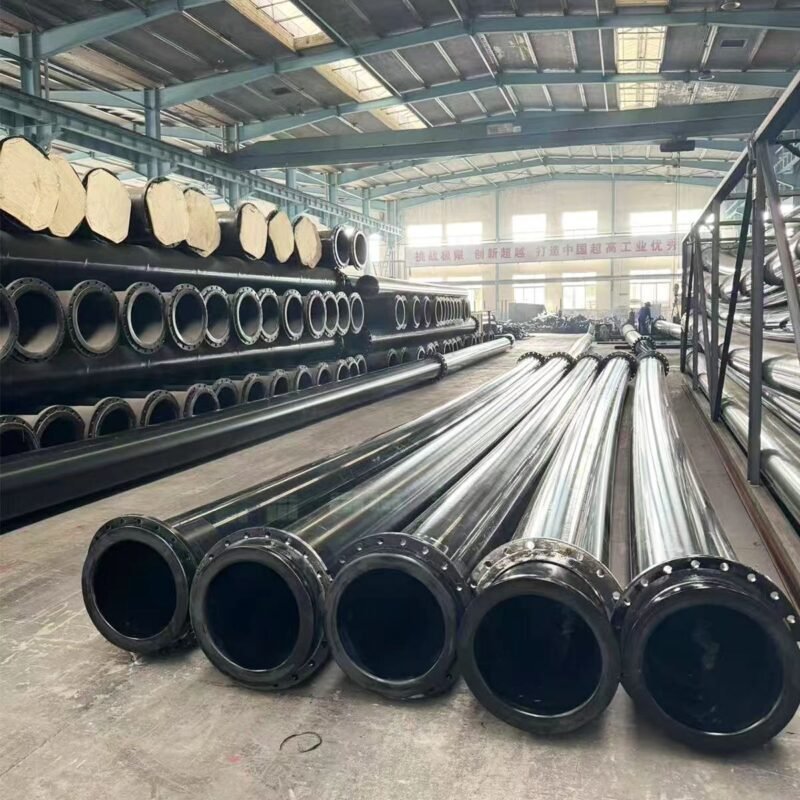
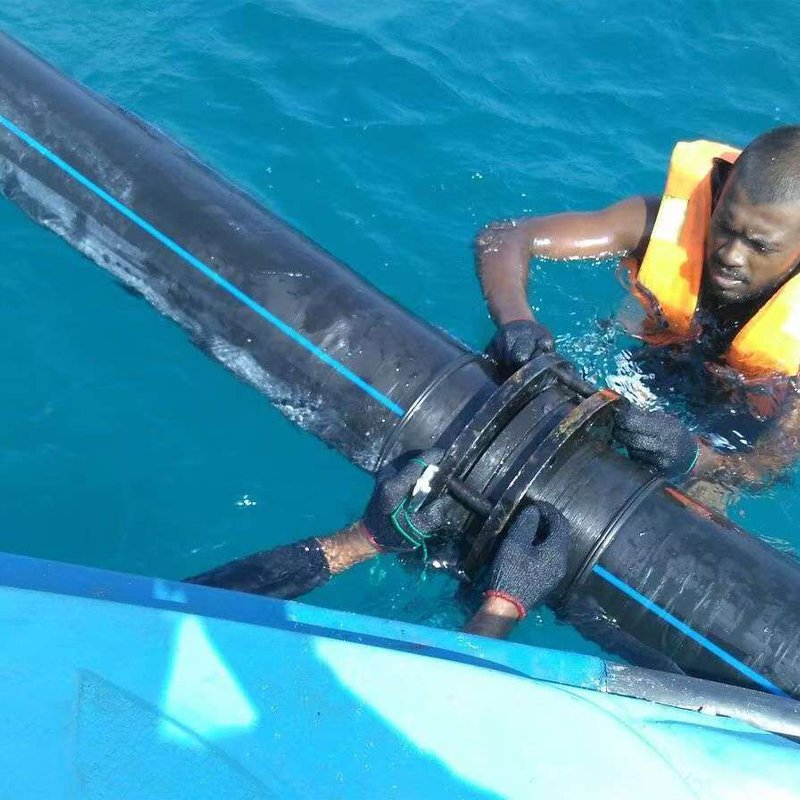
Maintaining and servicing ultra-high molecular weight polyethylene (UHMW-PE) pipes hinges on fully leveraging their excellent wear resistance, corrosion resistance, and other properties, while also taking preventive measures against potential issues such as surface oxidation and stress cracking.
The following table summarizes the core maintenance tasks and key points for different usage stages, which can help quickly establish a maintenance framework.
Maintenance Stage
Core Tasks and Key Points
Daily Inspection and Cleaning
Regular Inspection: Primarily observe the pipe’s outer surface for any abnormal scratches, deformation, or discoloration; check for leakage signs at connection points such as flanges and clamps, with special attention to areas with vibration or frequent disassembly. Regular Cleaning: The pipe’s interior can be periodically flushed with high-pressure water jets or compatible chemical cleaning agents to prevent sediment buildup; after cleaning, it must be dried thoroughly with dry gas. The outer surface can be cleaned by wiping with mild solvents such as alcohol.
Key Prevention and Repair
Preventing Oxidation Layer Impact on Connections: When welding UHMW-PE pipes (e.g., hot-melt butt welding), the oxidation layer on the connection surface must be scraped off to ensure welding quality; during operation, scrape uniformly along the entire perimeter of the connection surface, and the scraping length must meet the requirements. For small-diameter thin-walled pipes, extra care must be taken to avoid scratching the pipe body. Repairing Minor Damage: For superficial surface scratches that do not affect structural strength,Special-purpose repair agent(specialized repair agents) can be used for repair after cleaning treatment.
Long-Term Maintenance Strategy
Environmental Protection: Avoid prolonged direct sunlight exposure to the pipes; when used outdoors, protective sleeves should be added. Also, avoid direct contact with heat sources (the pipe’s operating temperature must not exceed 80°C long-term) or sharp objects. Proper Installation and Storage: During installation, excessive bending, stretching, or twisting of the pipe must be prohibited, and the minimum bending radius must be ensured, with particular attention to keeping bends away from joints. When laying pipes over long distances, sufficient support brackets (recommended at approximately one every 1.5 meters) should be set to reduce pipe stress and vibration. Unused or standby pipes should be coiled and stored in a cool, dry place, avoiding heavy pressure. Record-Keeping and Periodic Management: It is recommended to establish a pipe maintenance file, recording in detail the installation date, operating parameters, each inspection and repair situation, to track and analyze for optimizing maintenance cycles (a comprehensive evaluation is generally required every 2-3 years).
Precautions and Prohibitions
Strictly Adhere to Operating Limits: Over-temperature (long-term >80°C) and over-pressure operation of the pipe are strictly prohibited; the medium being transported must be compatible with UHMW-PE material, avoiding contact with certain strong acids at high temperatures (e.g., fuming sulfuric acid). Standardized Operations: Before maintenance, the machine must be shut down, the medium inside the pipe must be emptied, and it must be confirmed that there is no pressure and no residual hazardous media inside the pipe. When scraping the oxidation layer or performing repair work, electric grinders that may expose copper wires (e.g., built-in heating wires) are strictly prohibited; hand scrapers are recommended. When installing or replacing parts, dedicated tools and original factory specifications of joints and seals must be used; random substitution is not allowed.
💡 Maintenance Scenarios Requiring Special Attention
In addition to routine maintenance, the following two special situations require particular focus:
– Oxide Layer Treatment During Welding Operations: This is a critical step to ensure the safety of pipeline connections. A hand scraper (e.g., a glass blade) must be used to carefully and evenly remove the oxide layer from the entire welding surface, ensuring exposure of fresh base material. Special attention should be paid during operation: for fittings with copper efficiency (electric melting wires), electric grinding tools must never be used, as this may damage the internal heating elements.
– Handling and Replacement of Severe Failures: If leakage, cracks, obvious local deformation, or severe thinning of the pipe wall are detected in the pipeline, immediate shutdown is required. Such structural damage is typically irreparable, and the safest course of action is to replace the entire section. When cutting old pipes and installing new sections, dedicated tools must be used, and the specifications of the new pipeline must fully match the actual operating conditions.
📋 How to Develop a Custom Maintenance Plan
It is recommended to develop a maintenance plan by combining actual usage conditions and following these steps:
1. Assess Current Status: Conduct a comprehensive inspection of existing pipelines and record the actual condition of all connection points, elbows, and support points in detail.
2. Determine Frequency: Based on the environment where the pipeline is located (e.g., corrosiveness, vibration intensity, degree of outdoor exposure) and the importance of its use, specify the specific frequency for daily inspections (e.g., once weekly or monthly) and in-depth checks (e.g., once every six months or annually).
3. Establish Records: Use tables or electronic documents to record the date of each inspection, cleaning, repair, problems discovered, measures taken, and information about replaced parts.
4. Prepare Tools and Spare Parts: Stock up in advance on hand scrapers, dedicated repair agents, cleaners, and common specifications of fittings, seals, and other spare parts.
If specific usage scenarios of ultra-high molecular weight polyethylene pipes can be provided (e.g., type of medium being transported, indoor or outdoor installation environment), more targeted maintenance and repair suggestions can be offered.