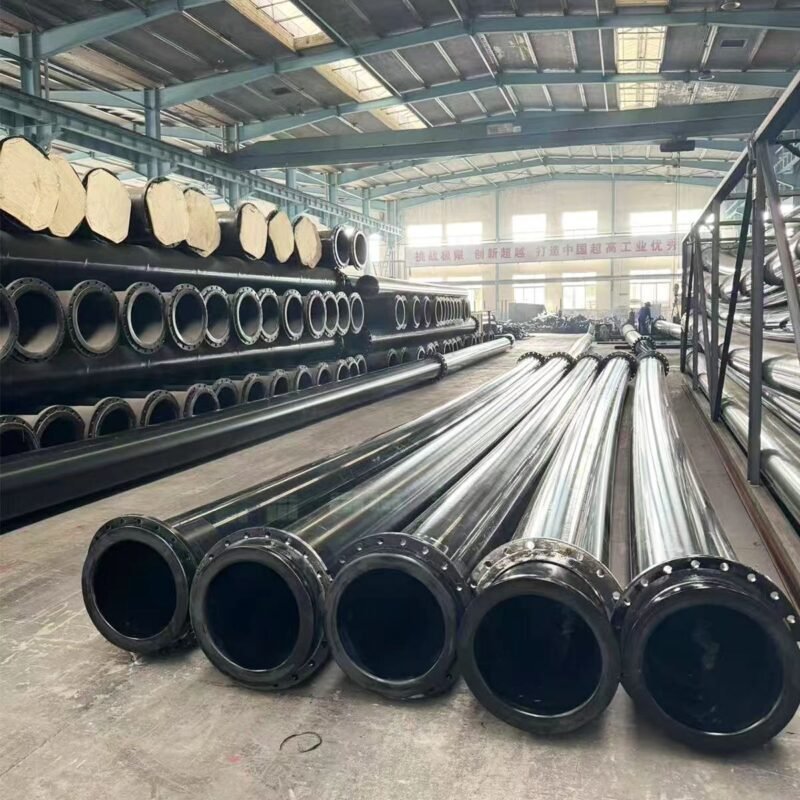
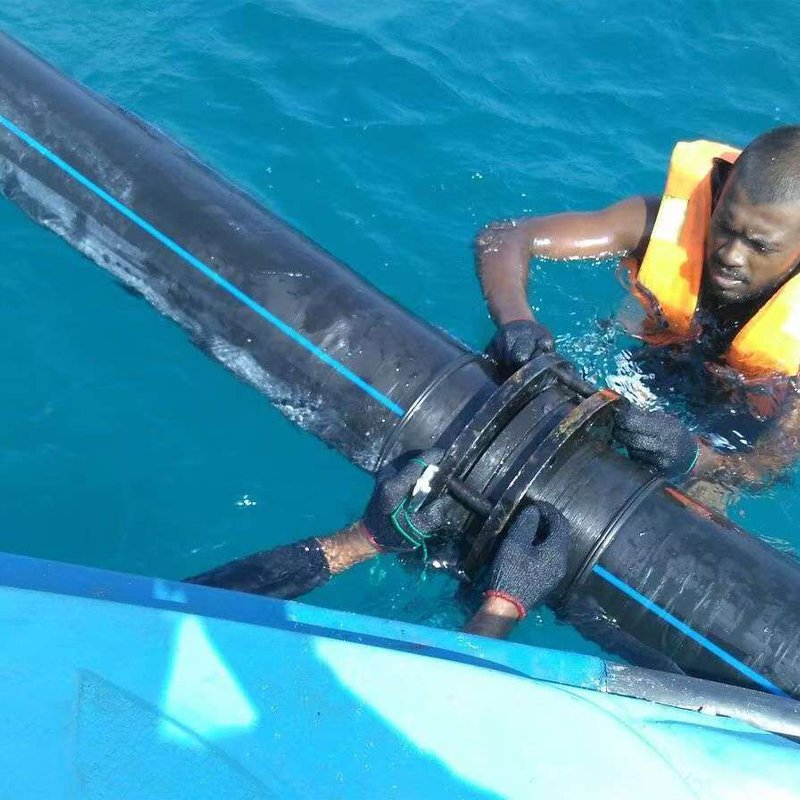
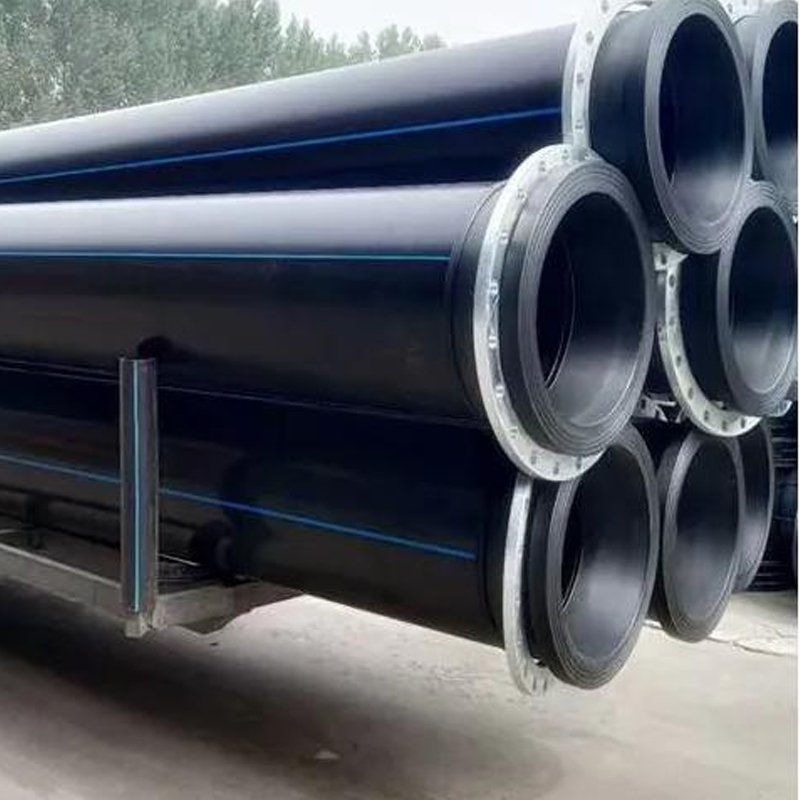
The maintenance of steel pipes
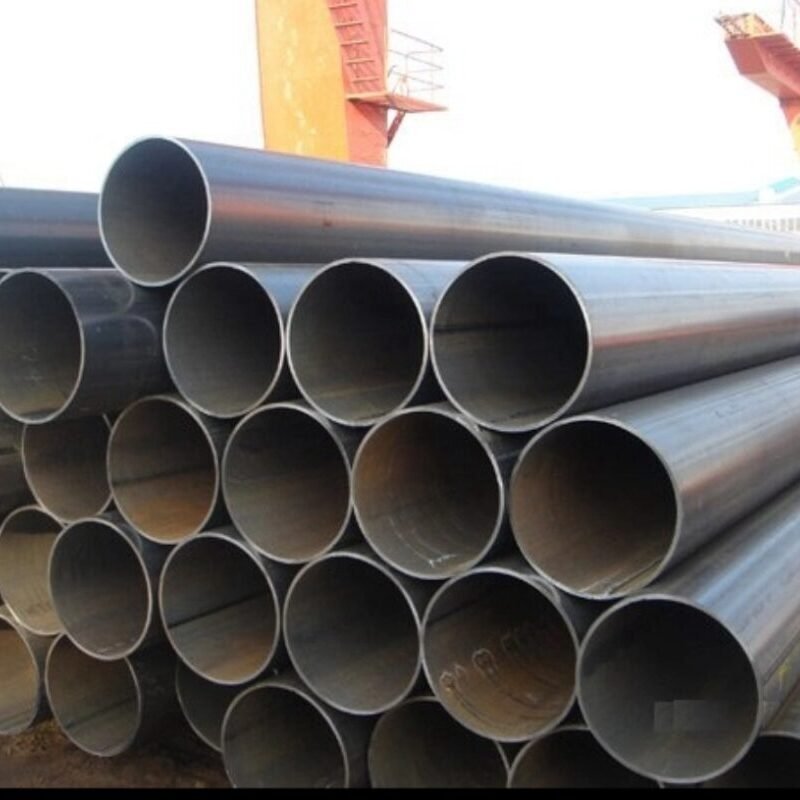
The core objective: prevention and treatment combined, with prevention as the priority. The maintenance of steel pipes focuses on preventing corrosion (rust) and structural damage. Corrosion is the biggest enemy of steel pipes, significantly reducing their strength and durability.
I. Daily Cleaning and Inspection This is the most basic and important maintenance step.
1. Regular cleaning:
• Purpose: Remove surface dust, dirt, salt, moisture, and other substances that may cause corrosion.
• Method: Use a clean soft cloth, sponge, or soft-bristle brush with neutral detergent (such as diluted soap water). For stubborn stains, specialized metal cleaners can be used, but they must be suitable for steel and non-corrosive.
• Note: After cleaning, thoroughly rinse with clean water to ensure no detergent residue remains, then dry with a dry cloth or air dry in a dry environment. Ensure the surface is completely dry.
2. Regular inspection:
• Frequency: Determine based on usage environment; increase frequency in harsh environments such as coastal areas or chemical zones.
• Inspection content:
■ Rust: Focus on checking welds, connections, and areas with coating damage for initial rust spots (brown spots).
■ Coating condition: Check for peeling, bubbling, cracking of paint or galvanized layer.
■ Structural damage: Check for dents, bends, deformations, or cracks, especially in load-bearing components.
■ Fasteners: Check if bolts and nuts are loose, and if there are any cracks in the welds.
II. Anti-rust and Coating Maintenance This is the core of maintenance work.
1. Initial rust removal (for already rusted areas):
• Manual rust removal: For small areas with light rust, use a wire brush or sandpaper (e.g., 80-120 grit) to manually grind until the metal color is exposed.
• Mechanical rust removal: For large areas or stubborn rust, use an angle grinder with a wire wheel or sanding disc for efficient treatment. Wear safety goggles and a mask during operation.
• Chemical rust removal: Use rust remover (phosphoric acid-based conversion type rust remover works well). After application, it converts rust into a stable protective layer. Clean according to instructions and ensure complete drying after use.
2. Coating repair and protection:
• Oil coating: For mechanical steel pipe parts without aesthetic requirements (such as fitness equipment tracks, tools), after rust removal and cleaning, apply a layer of rust preventive oil or lubricant to form a protective film.
• Repainting:
■ Surface preparation: Ensure the surface to be painted is completely clean, dry, free from rust, and oil.
■ Primer: Apply a rust-preventive primer first (such as epoxy zinc-rich primer, red lead anti-rust paint). The primer provides excellent adhesion and rust prevention.
■ Topcoat: After the primer is fully dry, apply the topcoat. The topcoat provides aesthetics and additional protection. Choose paint that matches or is compatible with the existing coating.
■ Suggestion: Multiple thin coats are more effective than a single thick coat.
• Zinc coating repair: For hot-dip galvanized steel pipes, if the zinc coating is locally damaged, cold galvanizing paint (high-zinc content zinc-rich paint) can be used for repairs. The principle is cathodic protection to prevent rust.
Storage and Usage Environment Management
1. Ideal Storage Environment:
– Indoor storage: Best stored in a dry, well-ventilated indoor warehouse.
– Avoid moisture: Keep away from water sources and moisture, use wooden pallets or trays to elevate the ground to avoid direct contact with damp surfaces.
– Categorized storage: Different metal materials (such as steel and copper) should be stored separately to prevent electrochemical corrosion.
2. Special Care in Adverse Environments:
– Coastal areas: High air salt content, extremely corrosive. Must use heavy-duty anti-corrosion coating systems (such as epoxy primer + polyurethane topcoat) and significantly shorten inspection and maintenance cycles.
– Industrial areas/chemical plants: Air may contain acidic or alkaline corrosive substances. Need to choose special coatings resistant to acids and alkalis based on specific pollutants and increase protective measures.
– Outdoor exposed environments: Long-term exposure to wind, sun, and rain poses a great challenge to coatings. Ensure the coating remains intact and reapply regularly.
Different Types of Steel Pipe Maintenance Focus
– Structural Steel Pipes (such as for construction, scaffolding):
– Safety first: Focus on checking structural damage, deformation, and the firmness of connections.
– Thorough rust removal: Rust on load-bearing structures severely affects strength; must thoroughly treat any rust found.
– Scaffolding: Inspect before and after each use, clean thoroughly before storing after dismantling.
– Conveyance Pipes:
– Internal and external wall anti-corrosion: The internal medium may also be corrosive; need to choose appropriate internal wall coatings or linings based on the conveyed medium.
– Pressure monitoring: Regularly check for leaks; abnormal pressure may indicate thinning of the pipe wall due to corrosion.
– Decorative/Furniture Steel Pipes (such as stainless steel handrails, furniture):
– Aesthetics: Use specialized stainless steel care agents or metal polish for cleaning and polishing to restore shine and form a protective film.
– Avoid scratches: Use soft cloths when cleaning to avoid leaving marks with rough cleaning tools.
– Precision Steel Pipes (such as hydraulic cylinders, pneumatic rods):
– Extreme dust and rust prevention: High precision required on working surfaces; slightest rust or scratches can lead to failure. Typically requires application of specialized protective oil and protection with covers.
Maintenance Process Summary
1. Check: Regular comprehensive inspections.
2. Clean: Immediately clean and thoroughly dry upon discovering dirt or moisture.
3. Remove: Immediately select appropriate methods to remove rust upon discovery.
4. Protect: After cleaning, immediately protect the surface by applying oil, repainting, etc.
5. Store: Standardized storage, control environment.
Safety Tip: When performing rust removal, spraying, etc., wear personal protective equipment (PPE) such as safety goggles, masks (dust-proof/organic vapor-proof), gloves, etc., and ensure good ventilation in the workplace.
Through the above systematic maintenance and upkeep, the service life of steel pipes can be maximized, ensuring their safe and reliable operation.