The maintenance of HDPE pipes
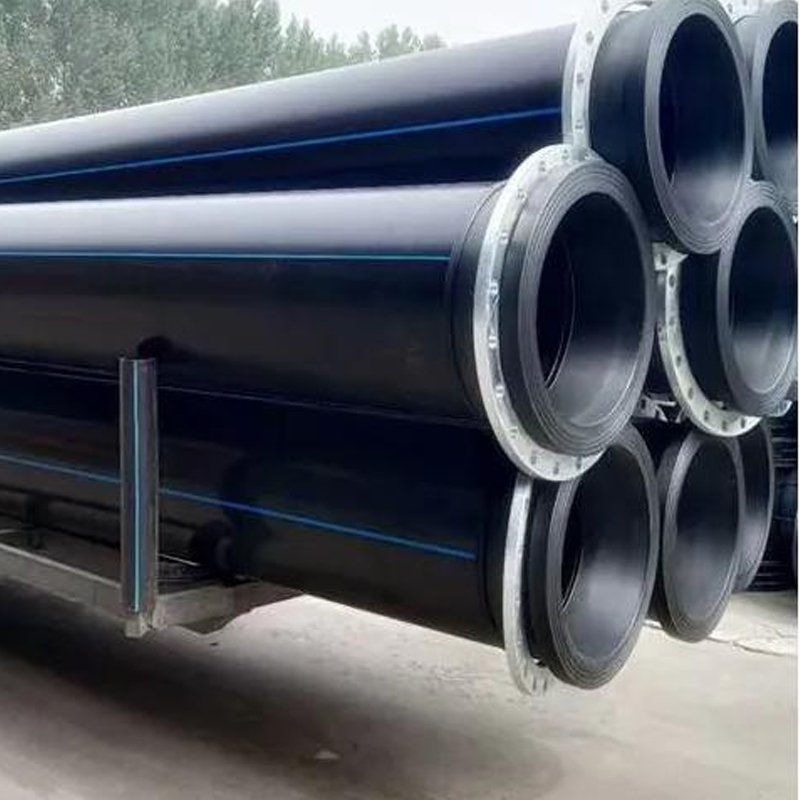
The maintenance of HDPE pipes is more akin to ‘health management’ rather than repairs after problems occur. The focus of its maintenance lies in quality control during installation and regular monitoring during operation.
I. Preventive Maintenance During Installation (The Most Crucial Maintenance)
Most issues with HDPE pipes stem from improper installation. Therefore, treating installation as the first and most important maintenance step is crucial.
1. Storage and Handling
– Avoid Sun Exposure: Although HDPE pipes have some resistance to UV rays, prolonged exposure can accelerate aging. They should be stored indoors or under shade. If stored outdoors for more than six months, consider covering them with sunshade cloth.
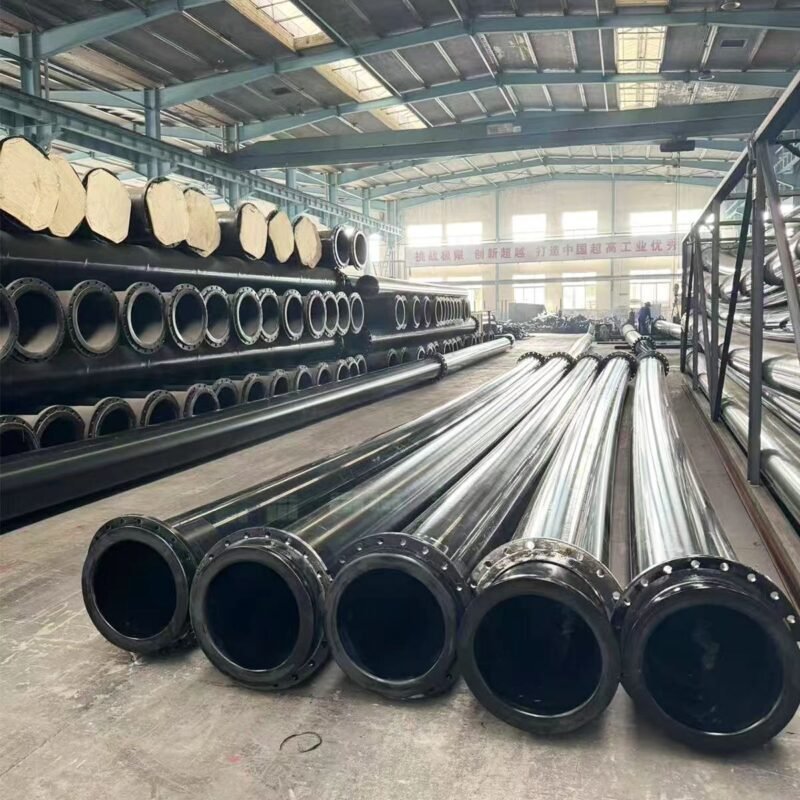
– Flat Pile-Up: Pipes should be horizontally piled on flat ground, with the stacking height not too high to prevent lower layers from being deformed. Drainage ditches should be set around the pile to avoid long-term soaking in water.
– Careful Handling: Avoid throwing, dropping, or subjecting the pipes to severe impacts to prevent surface scratches or stress cracking.
2. Installation Process Control
– Clean End Ports: Before welding, use specialized cleaning cloths and alcohol (or isopropyl alcohol) to thoroughly clean the welding areas of the pipes and fittings, removing grease, moisture, dust, and other contaminants. This is key to determining welding quality.
– Scrape Oxidation Layer: For butt fusion welding, use a lathe to scrape off the oxidation layer at the pipe ends until fresh material is exposed, otherwise, the welding strength will significantly decrease.
– Strict Welding Procedures
– Butt Fusion Welding: Strictly control the heating plate temperature (usually 200-220°C), heating time, switching time, and cooling time. Pressure must be moderate to prevent ‘false welding’ or ‘over-welding’. Movement or stress application is prohibited during cooling.
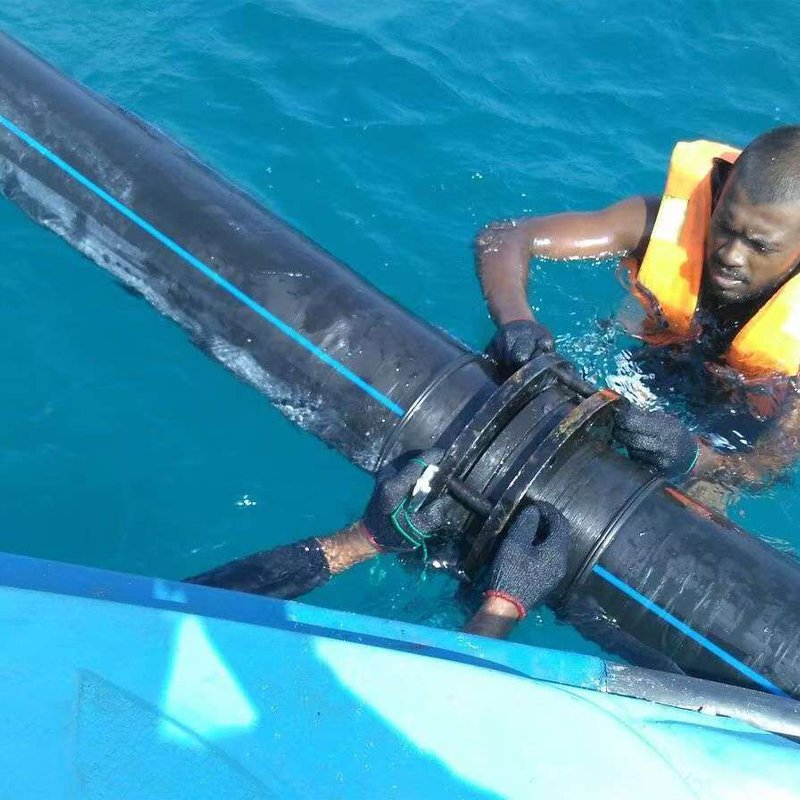
– Electrofusion Welding: Ensure correct gap fit between the electrofusion fitting and the pipe. Follow the voltage and time specified on the fitting for welding. Adequate cooling time is necessary.
– Trenching and Backfilling: The trench bottom should be flat, free of sharp stones. Backfill material should be fine sand or soft soil, layered and compacted to avoid direct impact or compression by large stones.
II. Regular Inspection and Monitoring During Operation
After the system is put into operation, a regular inspection system should be established.
1. Daily/Regular Inspections
– Visual Inspection: Check exposed pipe sections (such as valve chambers, crossing sections) for obvious scratches, deformations, cracks, or localized bulging.
– Leakage Inspection: For pressure pipelines, regularly check connection points (flanges, threaded joints), valve chambers for leakage signs. For hazardous media like gas, professional leak detection equipment should be used.
– Support and Hanger Inspection: Check if pipeline supports and hangers are loose, and if the anti-corrosion coating is intact, ensuring effective support and no abnormal vibration.
– Crossing Section Inspection: Check the casing for roads, railways, etc., for integrity and effective sealing to prevent sand and mud from entering.
2. Professional Testing (For Important Pipelines)
– Pressure Test: Conduct a tightness pressure test when the system is first put into use or after major repairs to ensure no leaks.
– Intelligent Internal Inspection: For large long-distance pipelines, ‘smart pigs’ (PIGs) can be used for internal pipeline inspection, capable of detecting wall thinning, deformation, cracks, and other internal defects.
Cleaning and Flushing:
• Water Supply Pipes: Regularly flush the system to prevent biofilm and sediment formation. The flushing flow rate should be higher than the normal operating flow rate.
• Industrial Pipes: During shutdown maintenance, suitable chemical cleaning agents can be used based on the nature of the conveyed medium, but it must be confirmed that the cleaning agent is compatible with HDPE material. Avoid using strong oxidizing acids (such as concentrated sulfuric acid, nitric acid) or certain organic solvents (such as chlorinated hydrocarbons, aromatic hydrocarbons).
Long-term Shutdown and Reactivation:
• Shutdown: Empty the medium inside the pipes, especially water, to prevent freezing and cracking at low temperatures or microbial growth. Close all valves to prevent foreign objects from entering.
• Reactivation: Before reactivation, a comprehensive inspection and pressure test must be conducted. Only after confirming there are no issues should the pressure be gradually increased for operation.
Summary: Key Points for HDPE Pipe Maintenance and Care
1. Careful Installation: Strictly follow welding procedures to ensure joint quality.
2. Safe Backfilling: Use appropriate backfill materials to avoid mechanical damage.
3. Regular Inspections: Establish a system to check appearance, leaks, and support conditions.
4. Prevent Damage: Avoid long-term direct exposure to ultraviolet light and impact by sharp objects.
5. Professional Repairs: When problems occur (such as leaks, deep scratches), use standard repair techniques, and do not take shortcuts.
6. Reasonable Cleaning: Regular flushing to keep the inner walls of the pipes clean.
Following these guidelines, HDPE pipe systems can operate safely and reliably for 50 years or even longer.