The maintenance and upkeep of floating structures.
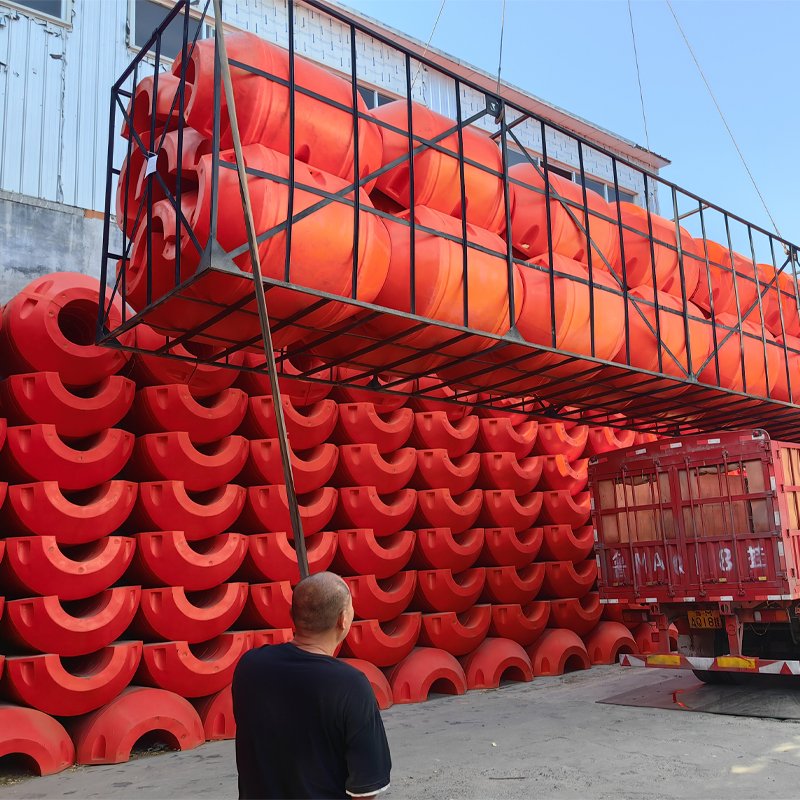
Core Maintenance Objectives:
1. Maintain Buoyancy: Ensure the integrity of the internal cavity or filling material of the buoy to prevent water ingress and loss of buoyancy.
2. Structural Integrity: Prevent structural damage, especially from UV exposure, collisions, and biofouling.
3. Mooring Safety: Inspect and maintain mooring points and connectors to ensure the stability of the entire floating system.
4. Extend Lifespan: Maximize the operational life of the buoy through preventive maintenance.
Daily and Regular Inspections: It is recommended to establish an inspection log to record the time and issues found during each inspection.
1. Daily Inspections (after each use or weekly):
– Visual Inspection: Walk around the buoy to visually check for obvious damage, cracks, dents, or scratches.
– Cleanliness: Check the surface for excessive oil, sludge, or debris accumulation.
– Mooring Points: Quickly check the mooring ropes, chains, and connecting links for unusual wear, rust, or looseness.
2. Monthly/Quarterly Inspections:
– Detailed Visual Inspection: Carefully inspect the buoy, especially near the waterline, for the beginning of biofouling (e.g., barnacles, algae).
– Internal Inspection (if accessible): For buoys with access ports, check for water accumulation, odors, or signs of corrosion inside. – Connection Structures: Check the connectors between buoys (e.g., bolts, brackets) for tightness, rust, or fatigue cracks.
– Weight/Waterline Inspection: Observe if the buoy’s waterline is consistent with the initial setting. If the waterline has noticeably deepened, it indicates a possible decrease in buoyancy and potential water ingress inside.
3. Annual Inspections (Comprehensive Check):
– Shore Inspection: If conditions allow, drag the buoy ashore for a thorough inspection. This is the most effective maintenance method.
– High-Pressure Cleaning: Thoroughly remove all marine biofouling, sludge, and algae from the surface.
– Structural Integrity Assessment:
◦ Polyethylene Buoys: Check for material degradation, brittleness, or cracks due to UV exposure, focusing on stress concentration areas such as eyelets and friction points
. ◦ Foam-Filled Buoys: Check the shell for cracks or holes. If present, the foam may have water ingress, requiring drying and repair.
◦ Steel Buoys: Thoroughly inspect all welds and riveted joints for rust, perforations. Tap and listen to judge the extent of internal corrosion.
– Non-Destructive Testing: For large or critical steel buoys, consider using ultrasonic thickness gauges to measure the steel plate thickness and assess corrosion.
– Repainting: Based on inspection results, remove rust from damaged coating areas and repaint with anti-corrosion and antifouling paint.
Cleaning and Protection:
1. Biofouling Prevention:
– Mechanical Removal: Regularly clean using scrapers, brushes, or high-pressure water guns. Most effective during annual shore maintenance.
– Antifouling Paint: For steel and fiberglass reinforced plastic (FRP) buoys, apply specialized antifouling paint to effectively inhibit marine biofouling.
Note: Polyethylene (PE) material has poor paint adhesion; use specialized PE primers or avoid painting.
– Ultrasonic Antifouling Systems: For large and expensive facilities, install ultrasonic devices for environmentally friendly and efficient biofouling prevention.
2. Surface Cleaning:
– Use neutral cleaners and soft brushes to clean oil and daily dirt.
– Avoid using strong acids, strong alkalis, or organic solvents (such as acetone, thinner), as these chemicals can corrode or dissolve the buoy surface (especially PE and foam buoys).
3. UV Protection
Polyethylene floats are added with UV stabilizers during production, but they will still age after long-term exposure to sunlight. Special PE UV protection sprays or coatings can be used for additional protection.