The difference between the suction inlet and discharge outlet of a rubber expansion joint
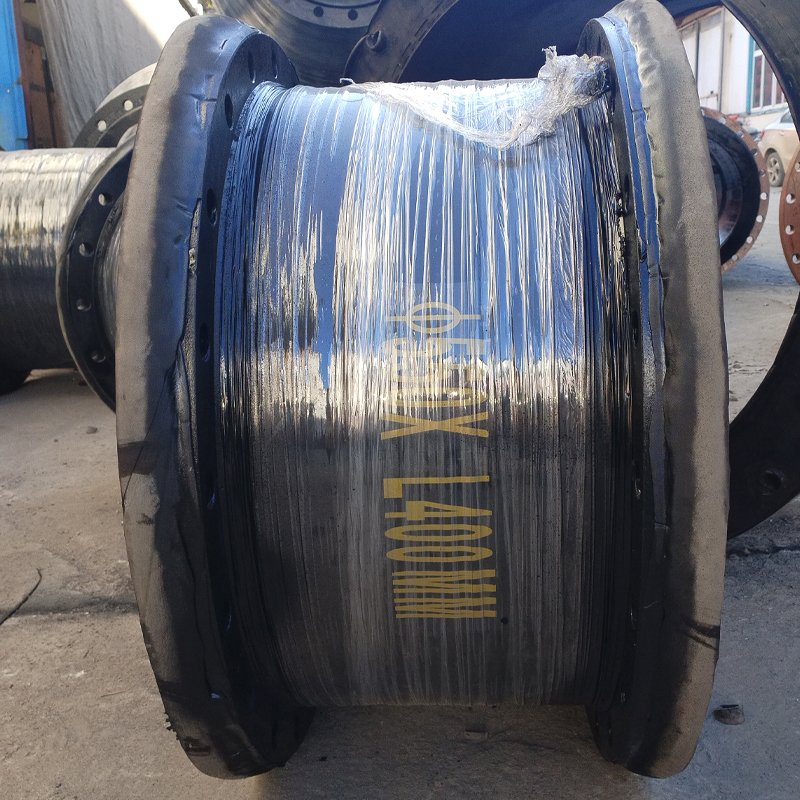
In pipeline systems, rubber expansion joints are used to absorb vibrations, compensate for displacement, and reduce noise. Depending on their installation location (suction end or discharge end), different design and selection considerations must be taken into account based on operating conditions. Here are the main differences between the two:
1. Pressure and Vacuum Requirements
• Suction End: Typically withstands negative pressure (vacuum) conditions, requiring measures to prevent the collapse of the rubber expansion joint’s lining. Design may need to include anti-collapse rings or reinforced fabric layers to resist external atmospheric pressure. Examples include pump inlet pipelines and water tank suction pipes.
• Discharge End: Primarily subjected to positive pressure (system working pressure), ensuring that the rubber layer and reinforcing materials can withstand internal pressure. More focus is placed on burst pressure and long-term pressure-bearing performance. Examples include pump outlets and compressor discharge pipelines.
2. Flow Direction and Erosion Impact
• Suction End: Lower flow velocity, but attention should be paid to air bubbles or particles in the fluid which may cause cavitation or localized vacuum damage. Lining material needs to be resistant to cavitation (such as EPDM or NBR).
• Discharge End: Higher flow velocity, stronger fluid erosion force, requiring more wear-resistant rubber (such as wear-resistant NR or polyurethane coating). Flow path design may need optimization to reduce turbulence.
3. Displacement Compensation Requirements
• Suction End: Focuses on axial tension compensation (such as thermal expansion and contraction of pipes or displacement during pump startup).
• Discharge End: Needs to accommodate both axial compression and lateral displacement, especially thrust generated under high pressure.
4. Installation and Support Requirements
• Suction End: Requires avoiding pipe deformation due to negative pressure, possibly needing additional support or limit rods.
• Discharge End: Needs to withstand pressure thrust, possibly requiring limit bolts or hinge structures to prevent excessive expansion.
5. Material Selection
• Common Requirements: Resistance to media (oil, acids, alkalis, etc.), temperature adaptability.
• Suction End: Prioritize anti-collapse properties and cavitation protection.
• Discharge End: Prioritize pressure resistance and wear resistance.
Summary of Selection Recommendations
Parameter Suction End (Suction) Discharge End (Discharge)
Pressure Anti-vacuum design High-pressure design
Lining Anti-collapse ring Wear-resistant layer
Flow impact Cavitation prevention Erosion prevention
Displacement direction Axial tension focus Multi-directional compensation
Support requirements Prevent pipe deformation Resist pressure thrust
Correctly distinguishing between the two can avoid failure of rubber expansion joints (such as collapse at the suction end or rupture at the discharge end). In actual applications, selection should be made by comprehensively considering system pressure, medium, temperature, and other parameters.