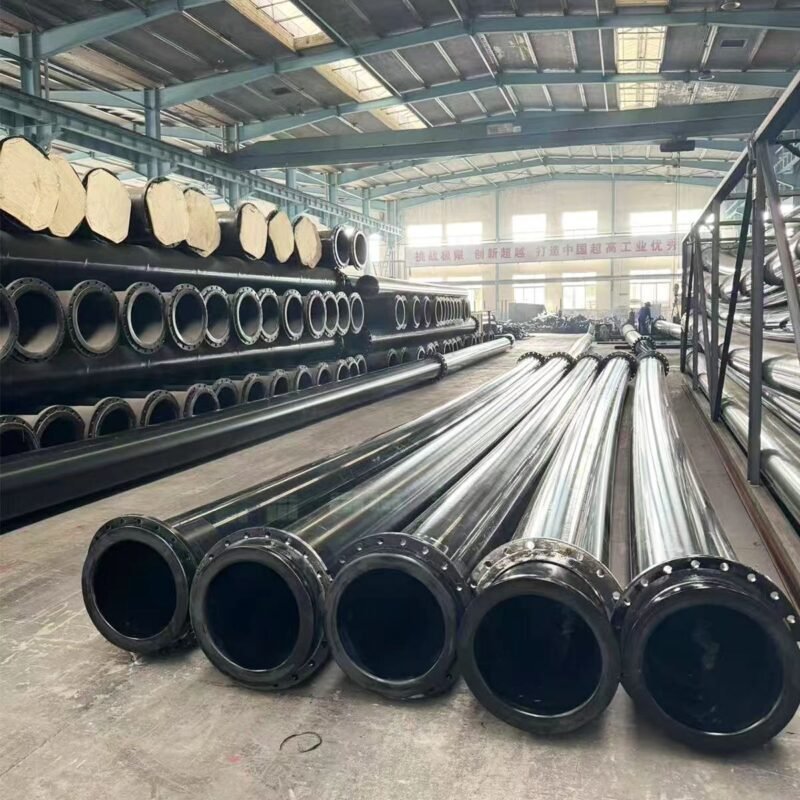
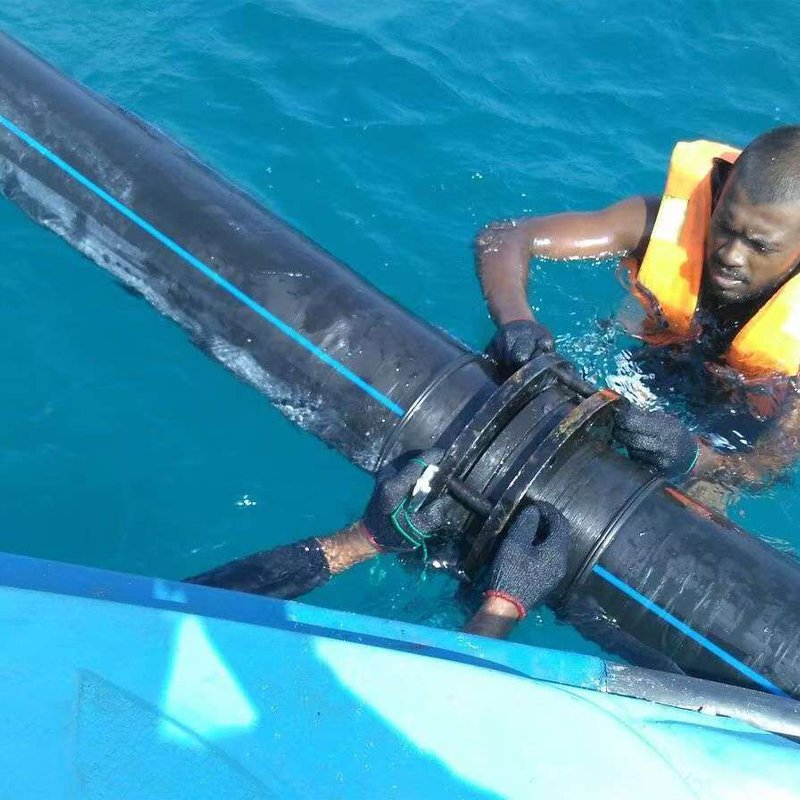
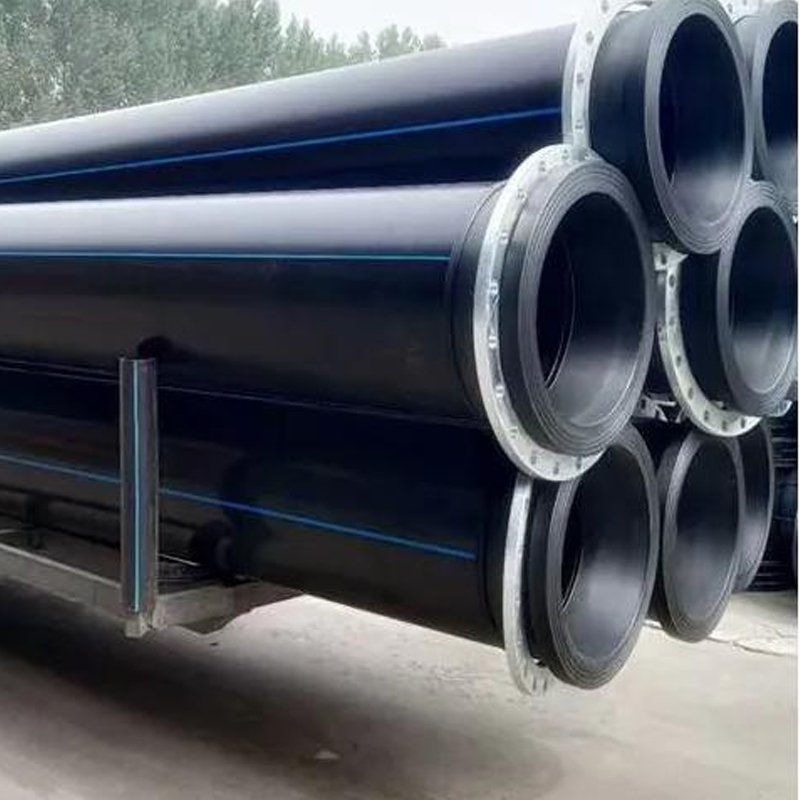
The daily maintenance and care of rubber sludge pipes
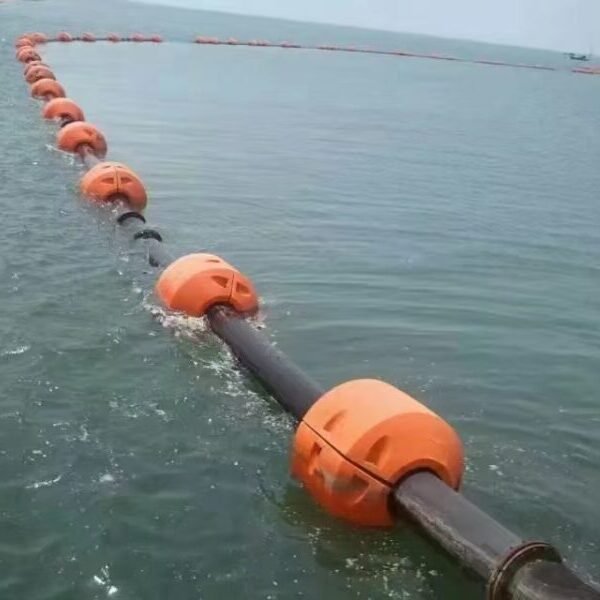
The daily maintenance and care of rubber slurry pipes are crucial for extending their service life, ensuring production safety, and avoiding unexpected shutdowns. Here is a detailed maintenance and care guide:
1. Preventive Maintenance During Daily Operations (daily or per shift):
This is the most basic and important step aimed at identifying potential issues in a timely manner.
– Pre-use inspection:
– Visual inspection: Before installation or use, carefully check the outer and inner walls of the pipe for obvious scratches, cuts, wear, bulges, localized deformation, or cracking.
– Joint inspection: Check for cracks, rust, or deformation in flanges, clamps, and other joint areas, and ensure that the sealing gaskets are intact and correctly installed.
– Pressure test for leaks: If conditions allow, pressurize with water or air at low pressure to check for any leakage points in the entire pipeline system.
– Correct installation and use:
– Proper alignment: Ensure that the pipe aligns naturally with the equipment interface during installation, avoiding forced twisting, stretching, or compressing. Improper installation stress is a primary cause of early damage.
– Minimum bending radius: When bending, ensure the bending radius is greater than the specified minimum bending radius to avoid sharp bends at joints.
– Avoid external damage: Be mindful of the operating environment, avoiding contact with sharp metal edges, high-temperature surfaces, and being run over by vehicles or struck by heavy objects. Protective sleeves or brackets may be necessary.
– Smooth operation: When starting or stopping pumps or valves, operate smoothly to avoid sudden pressure shocks (water hammer effect), which can significantly damage the pipe structure.
– Post-use cleaning:
– Empty contents: After each use, try to empty the slurry, wastewater, etc., from the pipe to prevent solid particles from settling and hardening, which can corrode and wear the inner wall and increase the load for the next start.
– Rinse: Rinse the inside of the pipe with clean water to remove residual abrasive particles and chemical substances.
Regular Maintenance and Inspection (Weekly/Monthly)
1. Comprehensive Visual Inspection: Carefully check the entire pipe body for signs of aging, such as hardening, brittleness, surface powdering, and minor cracks.
2. Wall Thickness Measurement: For critical areas or severely worn regions (such as bends, near pump outlets), use an ultrasonic thickness gauge to regularly measure wall thickness, monitor wear, and establish predictive maintenance plans.
3. Internal Inspection: If possible, periodically remove a section of the pipe or use an endoscope to inspect internal wear, especially the condition of the rubber lining for peeling, bubbling, or severe wear.
4. Joint Tightening: Check and retighten flange bolts or clamps to ensure secure connections, preventing loosening and leakage due to vibration. Replace aged or damaged seals.
5. Performance Testing: Check deformation and vibration under working pressure to ensure they are within normal ranges.
Cleaning and Storage
1. Thorough Cleaning: If the pipe needs long-term storage, it must be thoroughly cleaned inside and out and completely dried.
2. Proper Storage:
– Environment: Store in a cool, dry, well-ventilated indoor area, avoiding direct sunlight, rain, and ozone environments (such as near large motors).
– Temperature: Keep away from heat sources, with environmental temperature ideally between -10°C and +30°C.
– Method: Store flat, avoiding stacking too high to prevent deformation. Do not hang, as it may cause permanent stretching deformation. For longer pipes, suggest laying flat on a level rack.
– Chemicals: Avoid contact with oils, acids, alkalis, solvents, and other chemicals.
Common Issues and Solutions
– Internal Wear/Thinning: Normal phenomenon; regularly measure wall thickness and plan replacement before reaching critical values.
– Outer Rubber Layer Cracking/Powdering: Usually caused by ozone or UV aging. If cracks are not deep and limited to the surface, temporary observation is acceptable; if cracks deepen, replace promptly.
– Bulging/Locally Raised Areas: Typically due to damage to the reinforcing layer, reducing pressure-bearing capacity; must be replaced immediately to avoid burst risk.
– Joint Leakage: Check and tighten bolts, replace gasket seals.
– Pipe Body Splitting: Depending on the size and location of the split, professional rubber repair agents can be used for temporary repairs, but replacement should be planned soon.
Safety Precautions
– Pressure Safety: Do not use beyond maximum working pressure! Working pressure must be below the specified maximum working pressure of the pipe.
– Vacuum Safety: Emptying may create negative pressure (vacuum); ensure the pipe can withstand this negative pressure, otherwise, it may collapse.
– Chemical Compatibility: Ensure the conveyed medium is compatible with rubber material (such as NR natural rubber, SBR styrene-butadiene rubber, EPDM ethylene propylene diene monomer, etc.). Consult the supplier if uncertain.
– Personal Protection: During maintenance and inspection, ensure the system is depressurized and the medium is emptied to avoid risks of burns, chemical burns, etc.
Summary: Maintenance and Care Schedule
Cycle Maintenance Items Specific Content
After Each Use Pre-use Inspection Check appearance, joints, and leakage test
During Use Observation Listen for unusual noises, watch for abnormal vibrations or bulging
Post-use Handling Drain and rinse
Weekly External Cleaning and Inspection Clean exterior, carefully check for signs of aging and wear
Monthly/Quarterly Comprehensive Inspection Measure wall thickness, inspect interior (if possible), tighten all joints, replace seals
Before Long-term Storage Cleaning and Storage Thoroughly clean inside and out, dry, and store correctly
As Needed Replacement Immediately replace if severe wear, bulging, deep cracks, or permanent deformation are found
By executing the above systematic maintenance and care plan, the performance of the rubber sludge pipe can be maximized, significantly extending its service life and reducing overall operational and maintenance costs.