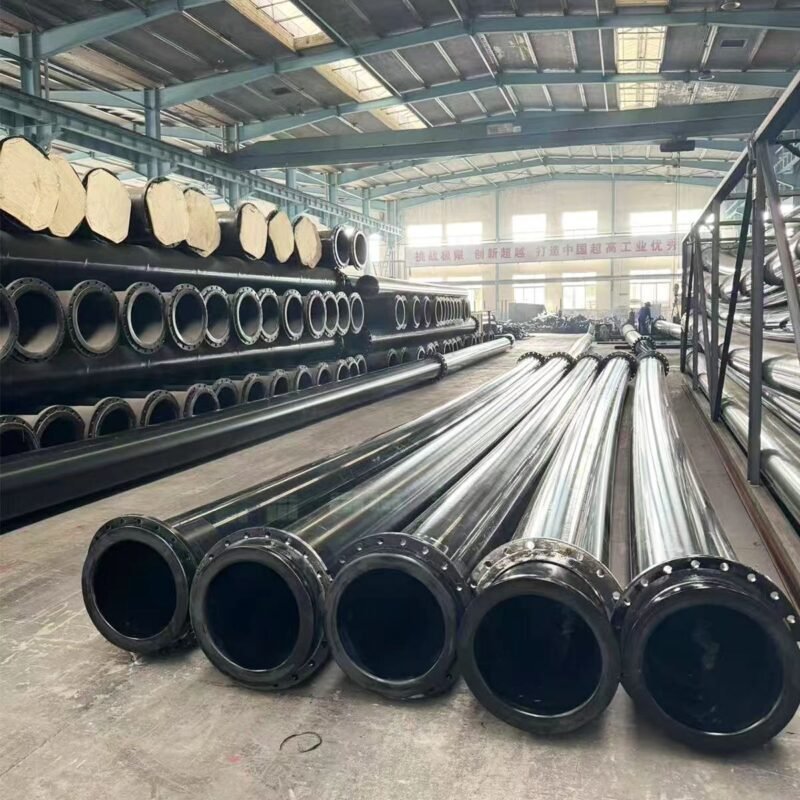
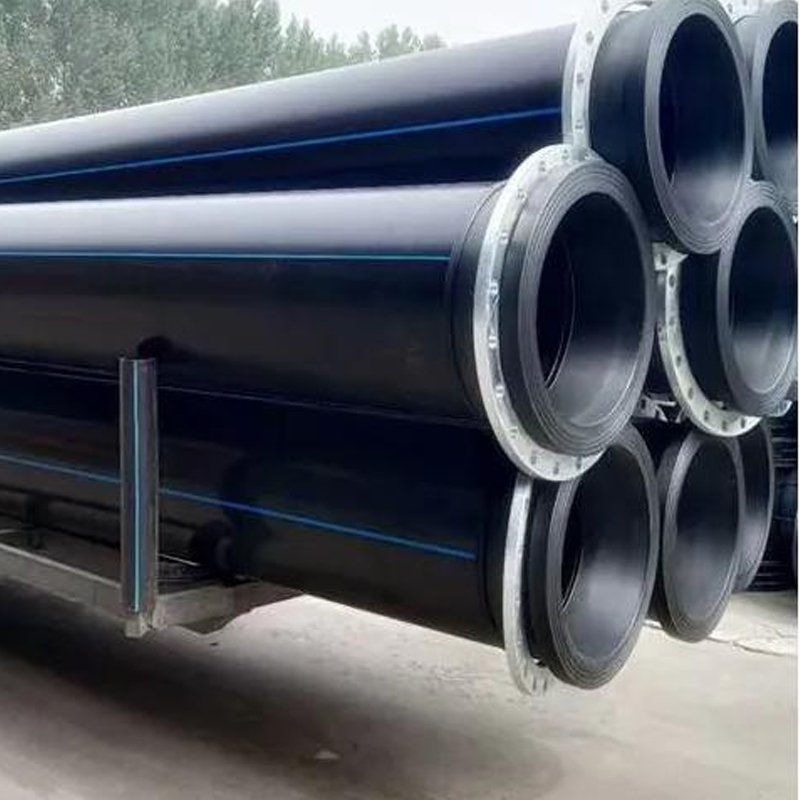
The daily maintenance and care of rubber flange sludge suction pipes

Maintenance during daily operations (before and after each use) is the core of preventive maintenance and can promptly identify potential issues.
1. Pre-operation inspection:
◦ Visual inspection: Carefully check the rubber hose body for scratches, cuts, cracks, bulges, or obvious damage such as abnormal deformation, especially near the flange connections and frequently bent areas.
◦ Flange connection inspection: Check if the metal flange plates have severe rust, deformation, and if the bolts and nuts are complete, without rusting or loosening. Ensure the sealing gasket is intact and not aged.
◦ Internal inspection: If possible, use a flashlight to inspect the inner wall of the pipe for wear thinning, foreign object attachment (such as hardened cement blocks), etc.
◦ Pressure test: If allowed, conduct a low-pressure test to check for any leakage points.
2. During operation attention:
◦ Avoid excessive bending/distortion: Operate strictly according to the minimum bend radius of the pipe, prohibit twisting installation or use, which would greatly damage the pipe structure, causing the reinforcing layer to break.
◦ Avoid excessive stretching: Suction pipes usually have pressure limits; avoid forced stretching to prevent loosening at the flange connection or deformation of the pipe body.
◦ Control working pressure: Ensure the working pressure is within the rated pressure range of the pipe design, avoiding sudden overpressure impact.
◦ Pay attention to the material passing through: Ensure the slurry medium being sucked does not contain sharp metals, stones, etc., to prevent puncturing or scratching the inner rubber layer.
◦ Environmental temperature: Pay attention to the environmental and working medium temperature, not exceeding the rubber material’s temperature limit (usually -20℃ to +80℃, specific to product specifications), avoiding proximity to heat sources.
3. Post-operation care:
◦ Thorough cleaning: This is the most critical step. After use, thoroughly rinse the inside and outside of the pipe with clean water (or high-pressure water gun) to prevent slurry, particles, etc., from solidifying or clumping on the inner wall, thus corroding the rubber, accelerating wear, and causing blockages.
◦ Proper storage: After cleaning, drain the water from the pipe, hang it for storage or place it flat in a dry, cool, well-ventilated warehouse. Avoid folding, squeezing, direct sunlight, ozone, oil stains, chemicals, and heat sources. Do not stack heavy objects on the pipe. Regular maintenance and deep inspection should be performed every quarter or every six months based on usage frequency.
1. Comprehensive inspection: Conduct a more thorough assessment than daily inspections, focusing on wear conditions.
2. Wall thickness measurement: Measure the wall thickness of easily worn areas (such as bends) to determine if the wear has approached the limit.
3. Flange anti-corrosion: Remove rust from the metal flange plates and bolts, apply anti-rust paint or lubricating grease, to prevent rusting and facilitate disassembly.
4. Replace seals: Check and replace aged, cracked, or permanently deformed sealing gaskets to ensure the seal at the connection points. 5. Performance testing: If conditions allow, conduct a hydrostatic test to check for leaks or abnormal expansion at the rated pressure.
Common Issues and Handling
Issue Phenomenon Possible Causes Suggested Actions
Partial bulging of the tube Body frame layer (cable) breakage Stop using immediately and replace! The pressure-bearing capacity at the bulging area is greatly reduced, making it prone to burst.
Surface has fine cracks Ozone aging, natural aging Judge based on the depth and density of the cracks. If the cracks are deep and dense, replacement should be timely.
Tube softens and expands Incompatibility between medium and rubber (such as oils), long-term high temperature Check the medium composition and replace with oil-resistant or chemically resistant hoses.
Leakage at flange connection Loose bolts, damaged gasket, uneven flange surface Tighten bolts, replace gasket, repair or replace flange.
Severe wear on inner wall Strong abrasive medium, usage time exceeds limit Regularly measure wall thickness and replace when the service life is reached.
Decreased suction efficiency Adhering substances on inner wall, tube is flattened Thoroughly clean or replace the pipe.
Storage Guidelines Proper storage can significantly extend the service life of rubber hoses.
• Ideal condition: Store by hanging, keep naturally straight, avoid small bending radius.
• Warehouse environment: Cool, dry, well-ventilated, relative humidity preferably between 50%-80%.
• Avoid light and ozone: Keep away from windows to avoid UV exposure from sunlight. Stay away from equipment that may produce sparks, such as motors and generators, as they produce ozone.
• Keep away from chemicals: Do not store with oils, solvents, acids, alkalis, and other chemicals.
• Term: Even for rarely used spare hoses, regular inspection and rotation based on the principle of ‘old before new’ should be conducted, as rubber naturally ages.
Summary:
The core of maintenance and care for rubber flange suction hoses lies in ‘prevention first’. By combining ‘daily careful operation + thorough cleaning after use + proper storage’, abnormal damage can be largely avoided, significantly extending their service life, ensuring operational safety, and reducing overall costs in the long run. Once severe damage is found, stop using immediately and replace, do not lose the big picture for minor gains.