The application scenarios of self-floating rubber hoses

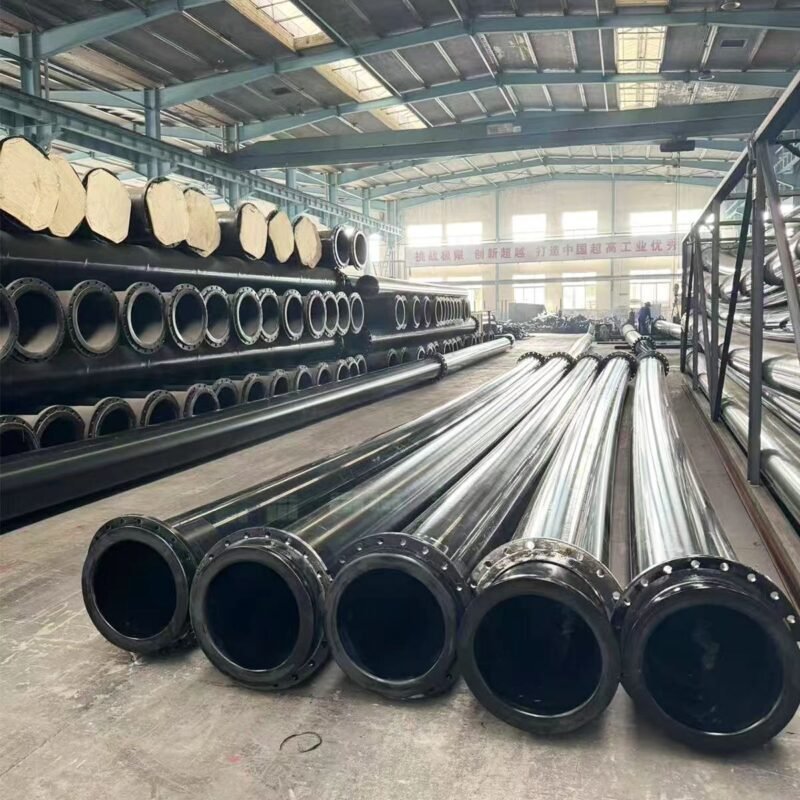
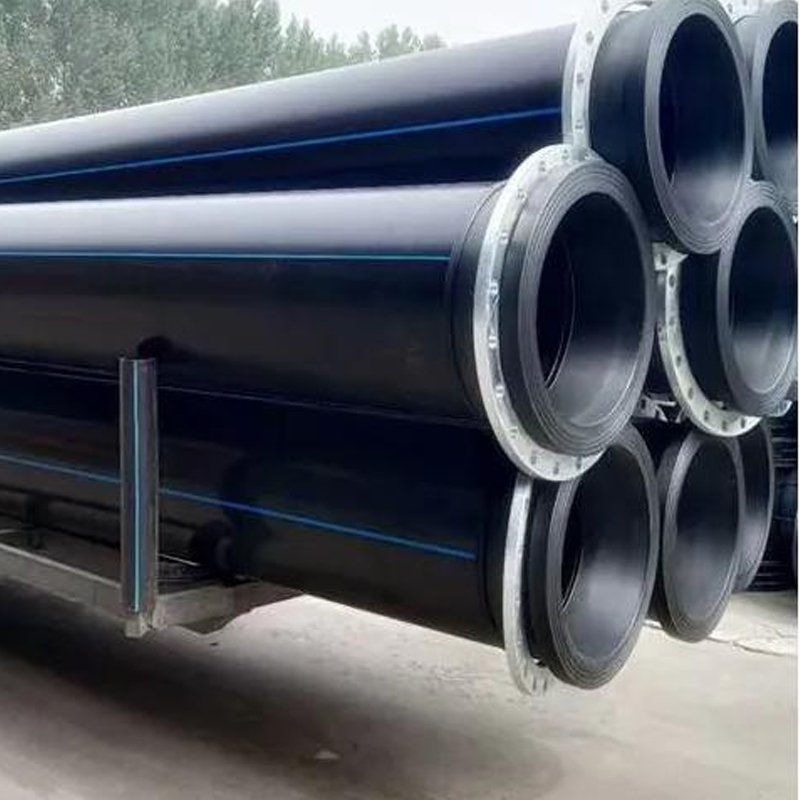
Self-floating rubber hoses are widely used in marine engineering, dredging operations, oil transportation, and other fields due to their unique buoyancy design, corrosion resistance, and high pressure resistance. Here are their main application scenarios:
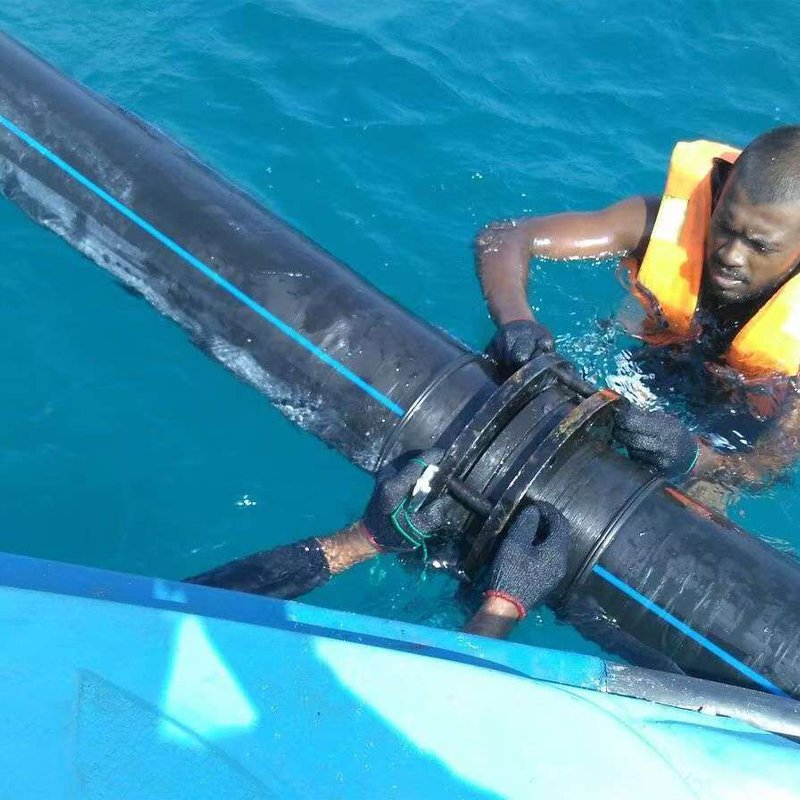
1. Marine Dredging Projects: Self-floating rubber hoses are used to transport slurry, sand, and other dredging materials, especially suitable for areas with large waves. Their buoyancy design reduces the need for additional floatation devices, improving construction efficiency. For example, in the Atauro Bay Terminal Project in East Timor, self-floating rubber mud discharge pipes combined with steel pipes effectively reduced the impact of pipelines on construction time and increased dredging efficiency. Jiangsu Huashen’s self-floating mud discharge hoses are widely used in domestic and international channel dredging projects such as Tianjin Port and Shanghai Port.
2. Offshore Oil Transportation: Self-floating rubber hoses are used for nearshore oil discharge, connecting oil tankers, Floating Production Storage and Offloading units (FPSOs), and Single Point Mooring systems (CALM). For instance, the floating hoses from Jerryborg Marine Machinery Co., Ltd meet OCIMF standards and are suitable for the transportation of crude oil and petroleum products. A company in Hebei produces self-floating hoses that can be used for oil transportation between marine terminals, ships, and barges, with a working pressure up to 21 Bar.
3. Deep Sea Mining and Industrial Transport: Armored self-floating rubber hoses are suitable for deep-sea mining operations, with high-strength aramid cord and steel ring structures capable of resisting impacts from sharp media like coral reefs and gravel. In dredging projects, self-floating hoses can transport slurry with high sand content, demonstrating excellent wear resistance.
4. Port and Channel Maintenance: Self-floating rubber hoses play a crucial role in port silt removal and channel widening projects, such as in Shenzhen Port and Zhoushan Port. Their wind and wave resistance and corrosion resistance make them suitable for long-term offshore operations.
5. Environmental Protection and Temporary Cofferdam Construction: In reclamation projects, self-floating hoses can be used in conjunction with cofferdams to improve backfilling efficiency. Some self-floating hoses are made from environmentally friendly materials, reducing their impact on marine ecology.
In summary, the primary application scenarios of self-floating rubber hoses are concentrated in the field of marine engineering, including dredging, oil transportation, deep-sea mining, and port maintenance. Their advantages include high buoyancy, corrosion resistance, wind and wave resistance, and adaptability to complex sea conditions, making them an important piece of equipment in modern marine engineering.