The application scenarios of rubber sludge pipes

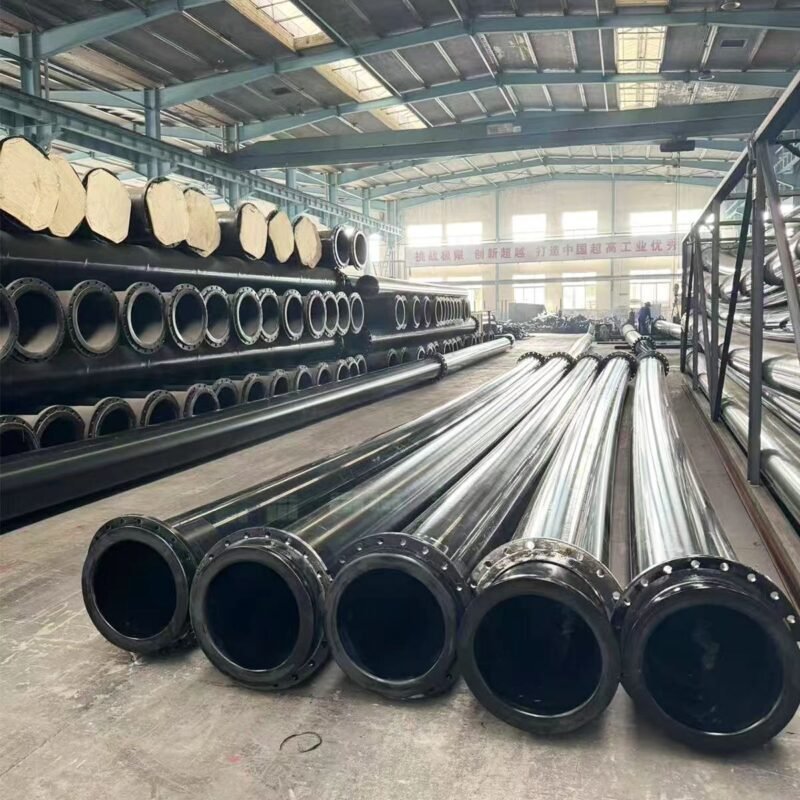
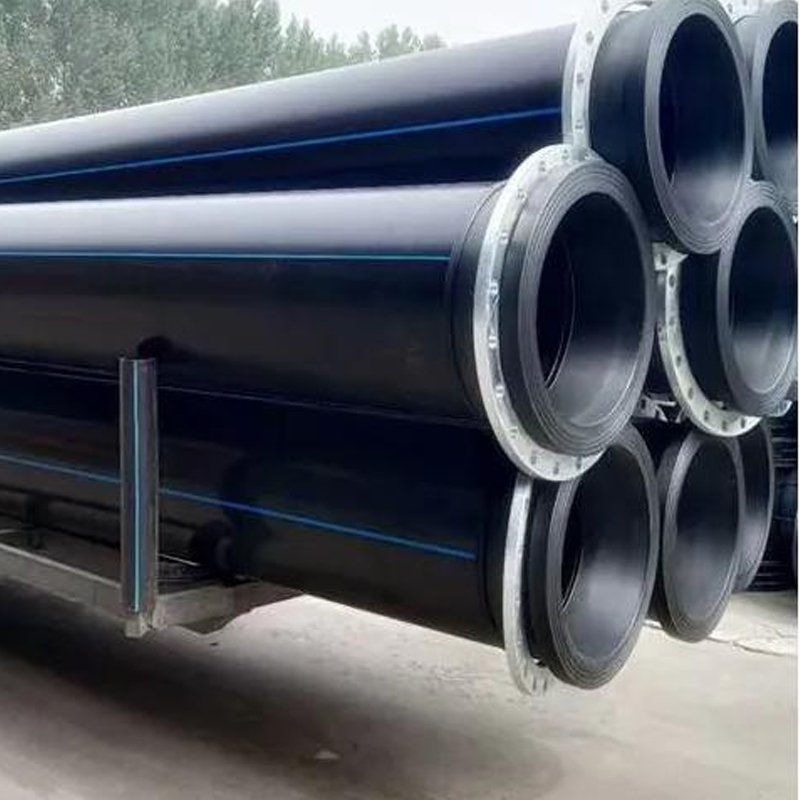
Rubber slurry pipelines are a very important type of industrial hose, specifically designed for conveying various abrasive slurries, sludge, mud, and mixtures of sand and gravel. Their core features include wear resistance, corrosion resistance, and flexibility. Here are the main application scenarios for rubber slurry pipelines, covering multiple industrial sectors:
1. Mining and Metallurgy: This is the most classic and widely used application area for rubber slurry pipelines.
– Tailings transportation: Pumping waste materials (tailings) generated after mineral processing through pipelines to tailing ponds for storage. Tailings usually contain sharp mineral particles, causing significant wear on the pipelines.
– Slurry transportation: During mineral processing, transporting mineral-bearing slurry between different equipment such as flotation machines, magnetic separators, and concentrators.
– Underground filling: Transporting slurry made from tailings or specialized filling materials to underground voids for backfilling to ensure safe underground operations.
2. Dredging Projects:
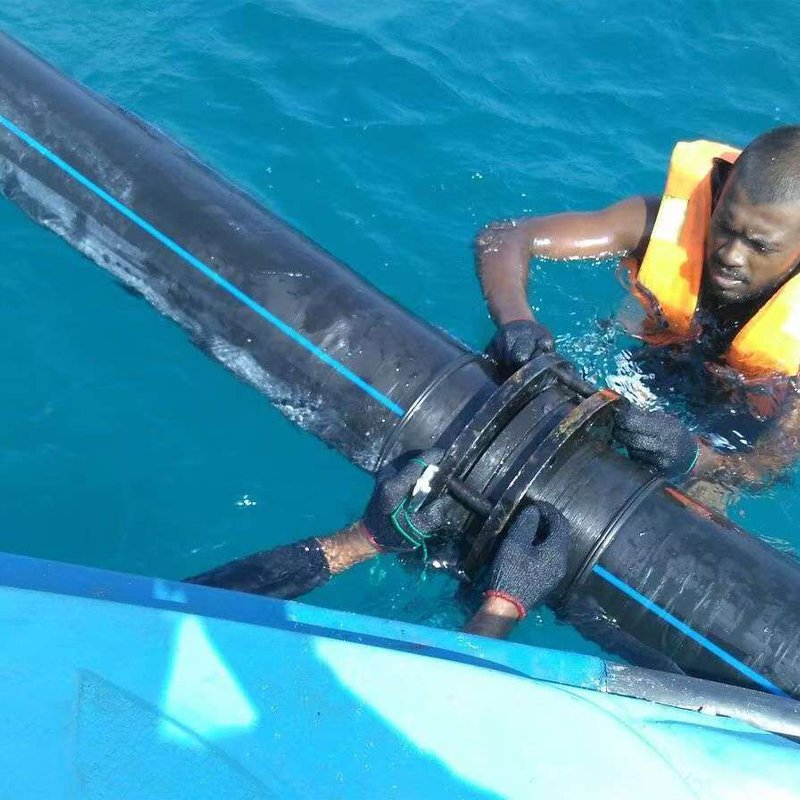
– River, lake, sea dredging: Using large rubber slurry pipelines on dredgers and cutter suction dredgers to suction silt, sand, and gravel from the seabed and discharge them to designated areas for channel dredging, port expansion, and land reclamation.
– Land reclamation: Using slurry pipelines to blowfill dredged silt and sand to designated areas to form new land.
3. Power Industry – Thermal Power Plants:
– Ash transportation and removal systems: Transporting fly ash and bottom ash produced by coal combustion in thermal power plants. These ashes are abrasive and are typically transported hydraulically through pipelines to ash storage sites.
4. Metallurgical Industry:
– Slag handling: Transporting high-temperature or room-temperature slag produced during steelmaking and ironmaking processes.
– Aluminum oxide plant: Transporting high-temperature, corrosive alumina slurry and red mud.
5. Coal Industry:
– Coal washing plants: Used for transporting coal slurry and gangue slurry during coal washing processes.
– Water-coal slurry transportation: As a clean energy source, water-coal slurry also requires the use of wear-resistant rubber hoses for pipeline transportation.
6. Building Materials and Ceramics Industry:
– Cement plants: Transporting raw slurry and cement slurry.
– Ceramic plants: Transporting ceramic raw material slurry, such as kaolin and quartz sand.
7. Chemical Industry:
– Used for transporting abrasive chemical slurries or particulate matter, but the chemical corrosion resistance needs to be selected based on the specific composition of the medium (such as natural rubber, styrene-butadiene rubber, butyl rubber, etc.).
8. Construction and Municipal Sewage:
– Shield machines, pipe jacking construction: Used for transporting slurry and sand generated during tunneling.
– River, sewage treatment plants: Suction and transportation of deposited sludge and sand.
Advantages of rubber slurry pipes (why they are suitable in these scenarios):
1. Excellent wear resistance: The inner rubber usually uses wear-resistant natural rubber or synthetic rubber, and adds wear-resistant materials (such as carbon black), with a lifespan far exceeding that of ordinary steel pipes.
2. Good flexibility: Easy to bend and lay, can adapt to complex terrain and equipment movement, and absorb vibration and impact generated by pumping.
3. Corrosion resistance: Compared to metal pipes, it has better tolerance for various acidic and alkaline slurry and seawater.
4. Lightweight: Easy to install, move, and transport, reducing labor intensity.
5. Anti-scaling: Smooth inner wall, less prone to sediment attachment, maintaining high conveyance efficiency.
Structural features: Typically consists of an inner rubber layer, reinforcement layer (multiple layers of high-strength synthetic fibers or steel wire braiding), and outer rubber layer. The reinforcement layer provides pressure resistance, while the inner and outer rubber layers provide wear resistance and environmental aging protection. In summary, rubber slurry pipes are almost always the preferred solution for scenarios involving the conveyance of two-phase media consisting of ‘abrasive solid particles + liquid’.