The application scenarios of rubber flange sludge suction pipes
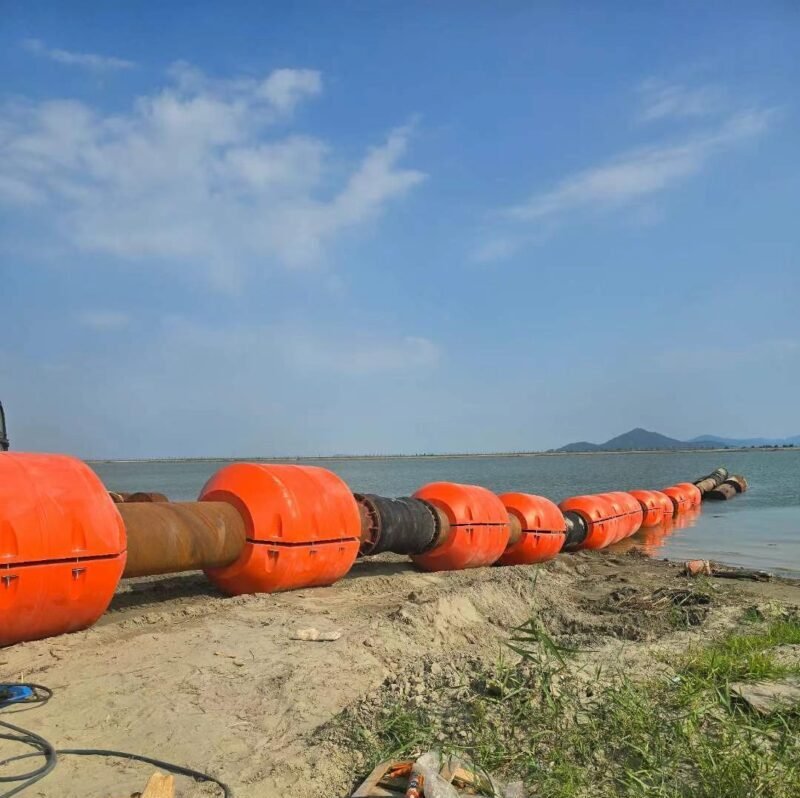
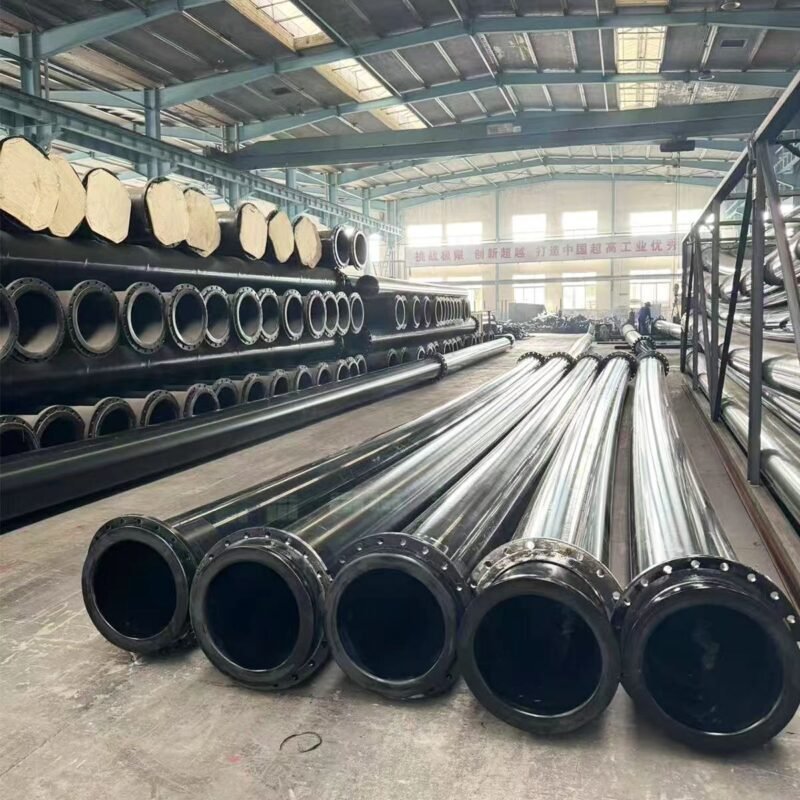
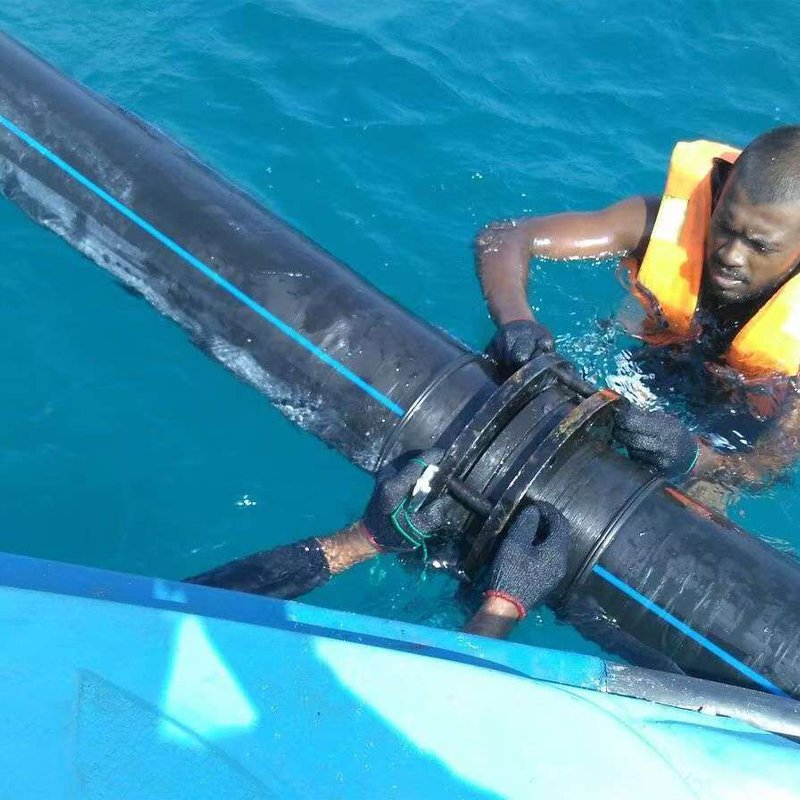
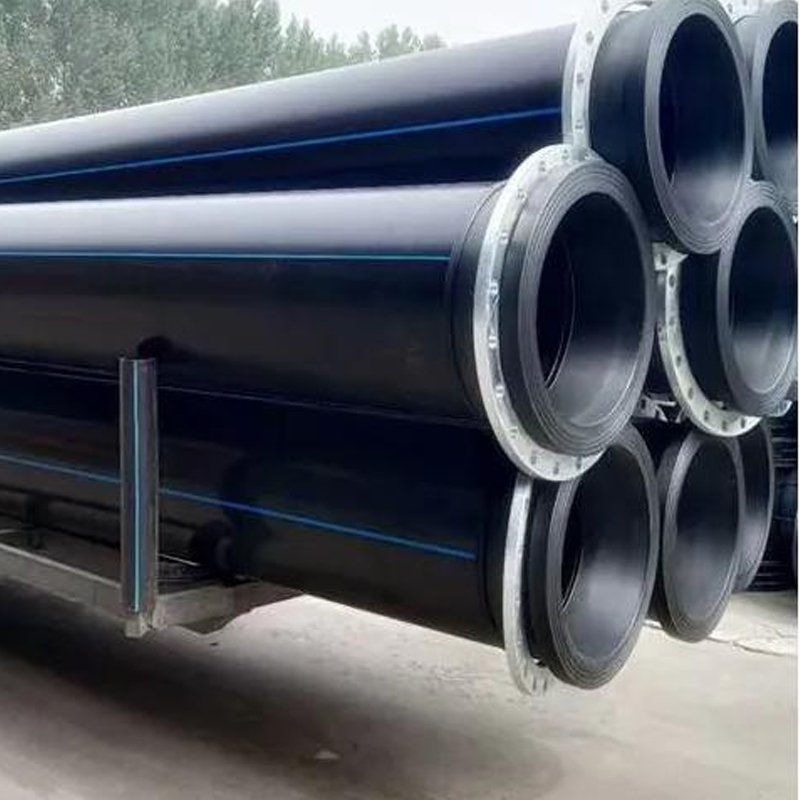
Rubber flange suction mud hose is a specially designed industrial hose, characterized by rubber flanges (usually foldable flanges) at both ends, allowing it to be quickly and tightly clamped between matching metal flanges for efficient sealing and connection. It combines the flexibility, wear resistance, corrosion resistance of rubber with the stability of flange connections. Its main application areas are almost entirely focused on industries and environmental protection fields that require efficient suction of high-wear, high-concentration solid-liquid mixtures, specifically:
1. Dredging Projects
This is the most classic and primary application area for rubber flange suction mud hoses.
– River and port dredging: Used to suction silt, sand, clay, and other deposits from riverbeds and harbor pools to maintain channel depth and normal port operation.
– Lake and reservoir dredging: Restore reservoir capacity, improve water quality, and suction organic-rich and sandy mixtures from lake bottoms.
– Land reclamation: Transport the sand and silt mixture suctioned from the bottom of the water through pipelines to designated areas to form new land. The suction hose is a crucial component connecting the dredger to the slurry pipeline.
2. Mining and Mineral Processing
– Tailings transportation: Used to suction tailings slurry (containing fine mineral particles, chemical agents, and water) produced after ore selection, transporting it to tailing ponds for storage.
– Slurry suction: In mining sites, used to suction primary ore slurry, which often contains large amounts of sharp, highly abrasive mineral particles, requiring extremely high wear resistance from the pipeline.
– Settling pond cleaning: Clean accumulated sand and sludge from sedimentation ponds in mines.
3. Municipal Wastewater Treatment
– Sediment suction from settling tanks: Used to suction active sludge and chemical sludge from primary and secondary settling tanks. These sludges have high concentrations and sometimes contain corrosive components.
– Grit chamber cleaning: Suction coarse and fine grit chamber intercepted debris and waste.
– Digestion tank feeding and discharging: Used to convey sludge in the anaerobic digestion process.
4. Thermal Power Plants
– Hydraulic ash removal system: Used to suction fly ash and bottom ash mixed with water produced after boiler combustion, transporting it to ash disposal sites or utilization sites. This is a highly abrasive operating condition.
5. Chemical and Industrial Processing
– Slurry transportation: In chemical plants, ceramic plants, etc., used to convey slurries containing solid particles, catalysts, additives, etc.
– Waste cleaning: Clean settled sludge and waste from reactors and storage tanks.
6. Construction Engineering
– Pile foundation engineering (rotary drilling): Used in drilled concrete pile construction, paired with rotary drilling rigs, to suction drilling mud and rock cuttings, keeping the hole clean.
– Tunneling shield construction: Used in tunnel boring machines to transport drilling mud and excavated soil.
Why are rubber flange suction pipes used in these scenarios?
Their application advantages are determined by their unique design and material properties:
1. Extremely high wear resistance: Typically made from ultra-high-molecular-weight polyethylene (UHMWPE) or wear-resistant rubber composite materials, they can withstand long-term erosion by sharp particles such as mud, sand, and minerals, with a lifespan far exceeding that of ordinary steel pipes or hoses.
2. Excellent flexibility: They can adapt to certain degrees of bending and displacement, making it convenient to lay and retract pipes on mobile equipment like ships and vehicles, and can also absorb some vibration and impact.
3. Quick installation and disassembly: The rubber flange design allows for pipe connections without having to tighten numerous bolts one by one; only a few long bolts and clamp flanges are needed to press tightly, greatly improving work efficiency, especially suitable for situations requiring frequent relocation (such as dredging boats).
4. Good sealing performance: Rubber flanges produce excellent sealing effects under pressure, preventing leakage of high-pressure, high-concentration slurry, protecting the environment and equipment.
5. Corrosion resistance: The rubber layer can effectively resist corrosion by sewage, seawater, chemicals, and weak acids and alkalis.
6. Lightweight: Compared to metal flanges and steel pipes of the same specifications, they are much lighter, reducing labor intensity and costs for transportation and installation.
In summary, rubber flange suction pipes are a high-performance hose designed to address the challenges of conveying solid-liquid mixtures. Their main battlefield is any situation requiring efficient, wear-resistant, and reliable suction and conveyance of slurry, mineral slurry, sludge, and other high-concentration abrasive media, especially indispensable in dredging, mining, and wastewater treatment industries. Their quick connection feature gives them an unparalleled advantage in mobile and intermittent operations.