The advantages of rubber hose flange dredging
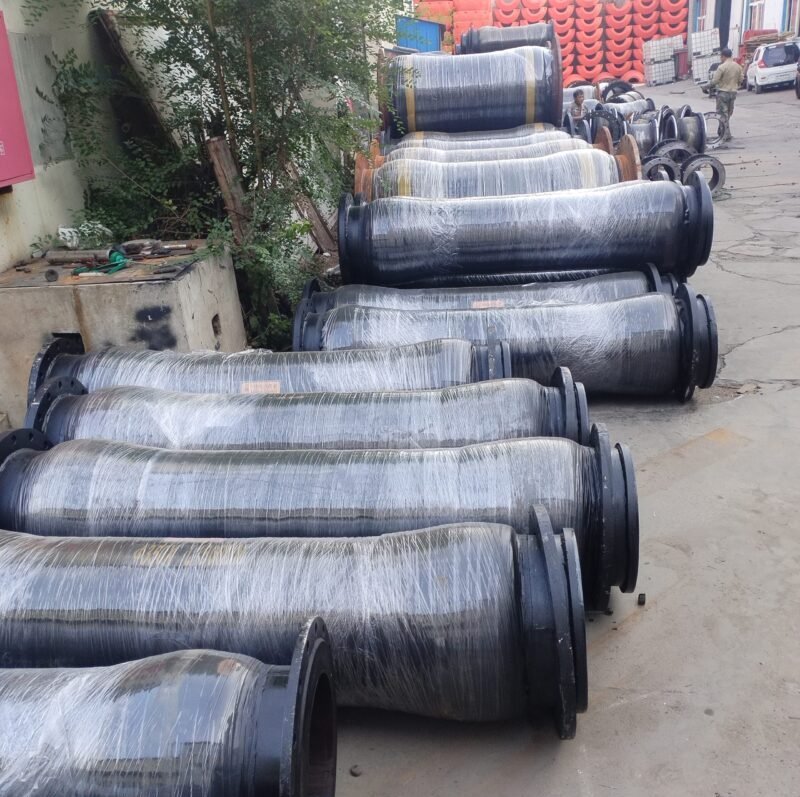
This type of connection typically consists of a pair of live flanges (made of steel), a compression ring (also called a clamping ring), and tightening bolts. The rubber flange is pressed tightly against the steel live flange by the compression ring to achieve the connection.
Advantages
1. Excellent flexibility and alignment
◦ Adaptation to body deformation: In dredging operations, dredge pipes are often in a floating, dragging, and bending state, and the seabed or riverbed is uneven. The rubber pipe itself has elasticity, and the live flange connection allows the pipeline to deflect and bend at a certain angle without causing excessive stress on the connection, effectively preventing leakage or damage.
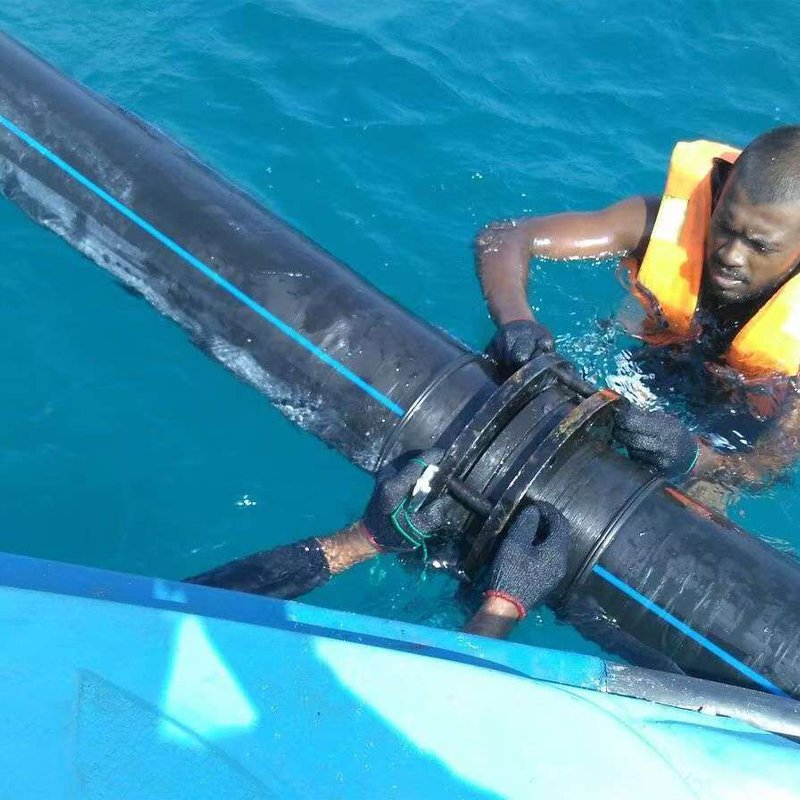
◦ Compensation for installation errors: When connecting pipelines in the sea or underwater, it is difficult to ensure that the flanges of the two pipes are perfectly aligned. The live flange connection method has a higher tolerance rate, which can compensate for certain angles and center deviations, making the docking easier and faster.
2. Reduced weight, easy to operate
◦ Compared to traditional all-steel flanges, the overall weight of the rubber pipe live flange is greatly reduced. This makes it easier to move, connect, and disassemble the pipeline on the ship’s deck or on water, reducing labor intensity and improving work efficiency.
3. Good impact resistance and vibration absorption
◦ Absorption of vibration: The fluid pulses generated by the dredge pump and the impact of solid particles (silt, gravel) produce continuous vibration and impact. Rubber material can effectively absorb this energy, reducing the transmission of vibration throughout the entire pipeline system, protecting the pump and other equipment.
◦ Resistance to water hammer effect: The elasticity of rubber helps mitigate the pressure shock caused by the water hammer effect. 4. Wear resistance and corrosion resistance
◦ Built-in wear-resistant layer: High-quality dredging hoses usually have wear-resistant materials (such as UHMwPE ultra-high molecular weight polyethylene) inside, providing better wear resistance than metal pipes.
◦ Corrosion resistance: Rubber material has much better resistance to seawater, chemicals, and electrochemical corrosion (rust) than ordinary steel, reducing maintenance needs and lifecycle costs.
5. Easy installation and disassembly
◦ When connecting, just align the two live flanges, secure them with a clamping ring, and tighten the bolts, without the need for firework operations like welding flanges, making it very safe and quick. The disassembly process is equally simple, facilitating rapid replacement of the pipeline or relocation of the work site.