The advantages and disadvantages of steel flange sludge suction pipes
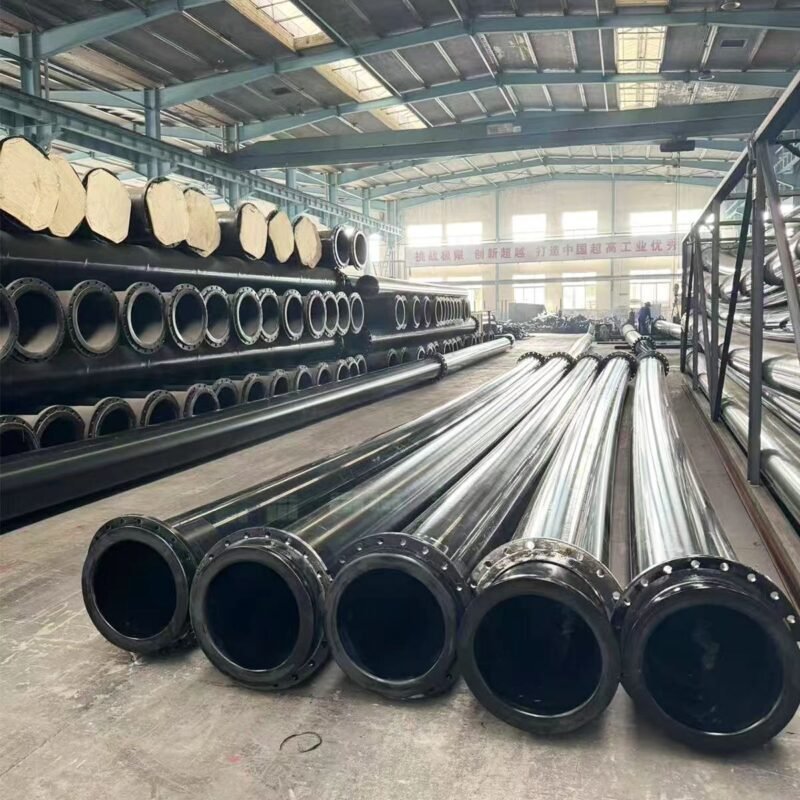
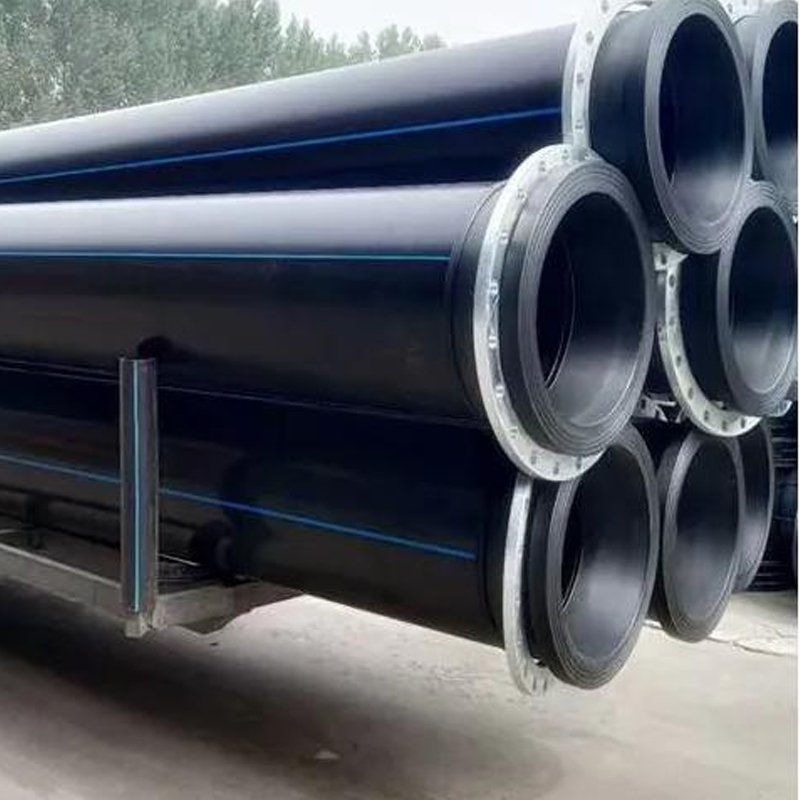
Steel flange suction sludge pipe, as the name suggests, refers to a pipeline system where the pipe body is made of steel and connected through steel flanges. It is mainly used at the bottom of sedimentation tanks and thickening tanks in sewage treatment plants to discharge settled sludge by gravity or pump suction. Its core features lie in the material (steel) and connection method (flange connection).
Advantages:
1. High strength and good pressure resistance: Steel pipes themselves have high mechanical strength and rigidity, capable of withstanding significant internal pressure (from pumps or pressure conveyance) and external loads (such as soil pressure when buried or traffic loads above ground), making them less prone to deformation or rupture.
2. High durability and long service life: High-quality steel (usually Q235B or higher grades) is inherently robust. After proper anti-corrosion treatment (such as epoxy coal tar, epoxy resin paint, or hot-dip galvanizing), its corrosion resistance is greatly enhanced, ensuring a service life of over 20 years even under corrosive and abrasive conditions in sewage environments.
3. Reliable flange connection with good sealing: Flange connections are among the most reliable in industrial pipelines. The bolted connection provides strong mechanical strength and is less likely to loosen. Combined with suitable gaskets (such as rubber gaskets, PTFE gaskets, or metal wound gaskets), it achieves excellent sealing, effectively preventing sewage and sludge leakage and avoiding environmental pollution.
4. Easy installation and maintenance: Flange connections allow for modular prefabrication. Pipes and fittings can be pre-made in a factory and directly assembled on-site, significantly reducing construction time. When a section of the pipe needs replacement or repair, it can be removed by loosening bolts without cutting or welding, making maintenance very convenient and reducing long-term operational maintenance costs.
5. Wide range of applications: Due to its high strength and weather resistance, it can be used not only for indoor pool bottom installations but also for underground burial or outdoor overhead installations in harsh environments.
Disadvantages:
1. Heavy weight, requiring mechanical assistance for handling and installation: Steel pipes and flanges are quite heavy. Compared to HDPE (high-density polyethylene) and other plastic pipes, they require cranes or other mechanical equipment for handling, hoisting, and positioning, imposing higher demands on site construction conditions and making manual operations difficult and unsafe.
2. Higher cost: Higher initial investment: The cost of steel itself and the forging and machining of flanges is higher than that of plastic pipes. Corresponding anti-corrosion treatments also increase costs and production cycles. Higher transportation costs: Due to their heavy weight, long-distance transportation costs are also higher.
3. Corrosion resistance depends on coating, posing risks: Steel is inherently susceptible to corrosion. Its durability relies entirely on the quality of the anti-corrosion coating. If the coating is damaged during transportation, hoisting, or installation and not promptly repaired, the damage point can become a starting point for corrosion, potentially leading to internal rust perforation and leakage. This is a critical quality control aspect.
4. Relatively higher inner surface roughness: Compared to HDPE and other plastic pipes, the absolute roughness of the inner surface of steel pipes is greater, resulting in higher fluid friction resistance. For long-distance conveyance, energy consumption would be slightly higher. However, in short-distance, high-velocity applications like sludge suction pipes, this disadvantage is usually not the primary issue.
5. Requires regular maintenance.