The advantages and disadvantages of rubber flange sludge suction pipes
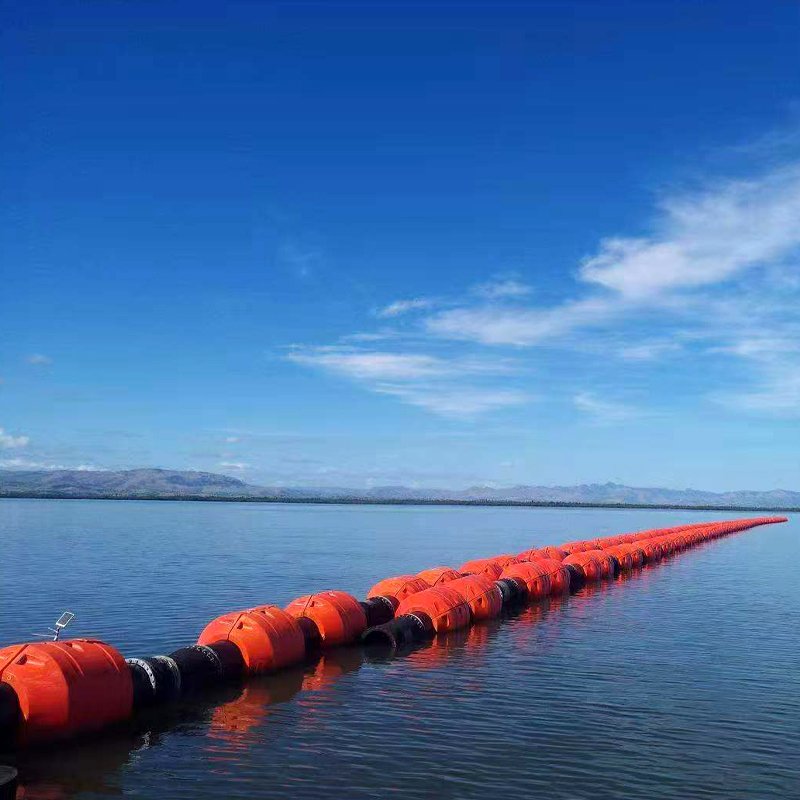
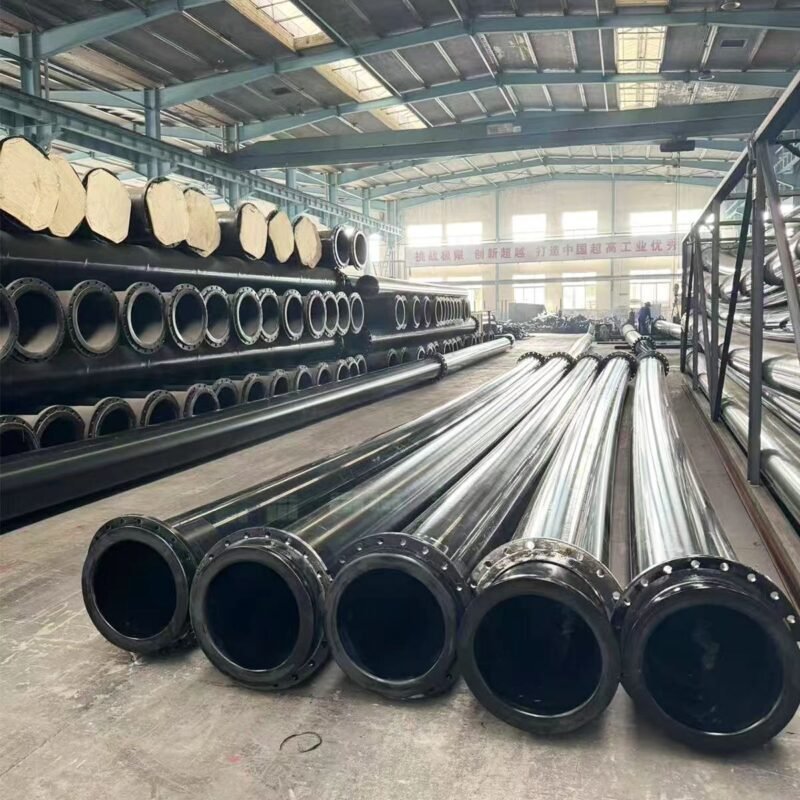
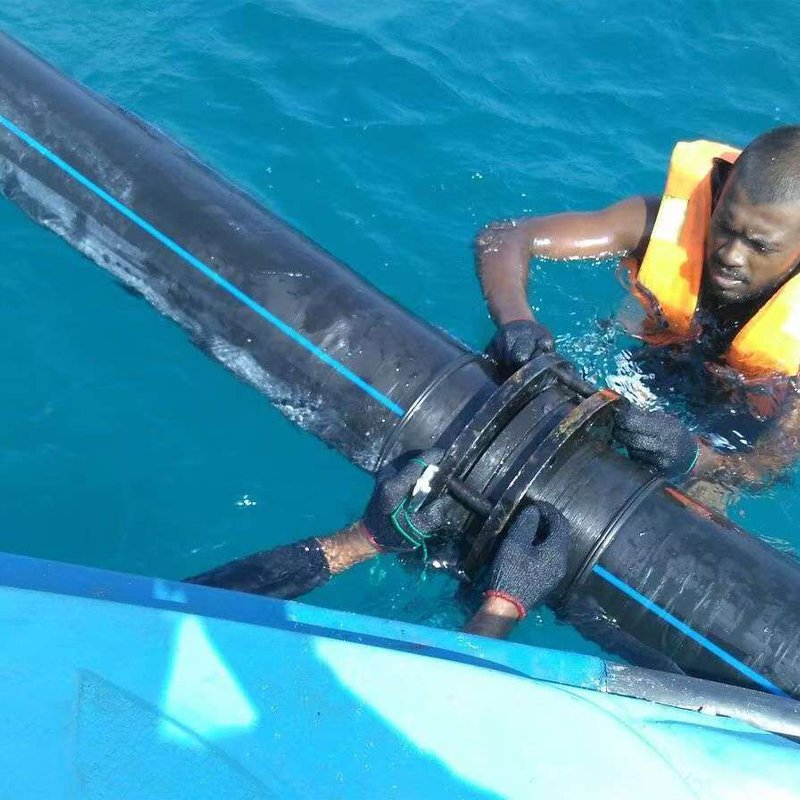
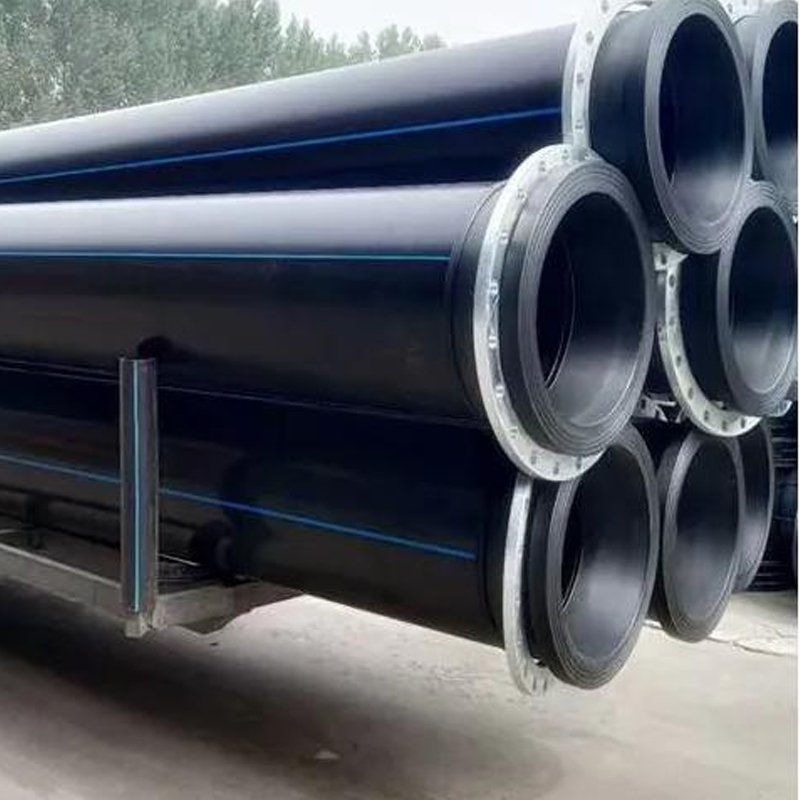
Rubber flange suction mud pipe, also known as rubber flexible joint or vibration isolator in suction mud pipelines, is a key component used to connect pumps, valves, and pipes, and to absorb displacement, vibration, and noise. It typically consists of an inner rubber layer, reinforcement layer (multiple layers of fabric or steel wire), outer rubber layer, and flange (usually metal flange). Here is a detailed analysis of its advantages and disadvantages:
Advantages:
1. Excellent vibration and noise reduction capabilities
– Core advantage: Rubber itself has high elasticity, effectively absorbing vibrations generated by pumps, motors, and fluid pulses within the pipeline, significantly reducing system noise and protecting connected equipment from vibration damage.
2. Compensation for various displacements
– Axial compression/stretching: Can compensate for length changes caused by thermal expansion and contraction of the pipeline.
– Lateral displacement: Can compensate for misalignment caused by minor eccentricity or settlement during pipeline installation.
– Angular deflection: Allows for deflection within a certain angle, adapting to complex installation environments. This multi-directional compensation capability greatly reduces installation stress in the pipeline system, enhancing system reliability.
3. Good corrosion resistance
– Depending on the type of rubber (such as natural rubber, nitrile rubber, chloroprene rubber, ethylene propylene diene monomer, etc.), it can resist corrosion from mud, sewage, various minerals, weak acids, and weak bases, having a longer lifespan than pure metal flanges.
4. Easy installation and maintenance
– Lightweight, easy to move and position.
– Installation does not require complex procedures and specialized skills like welding flanges; just align the bolt holes and tighten them, saving time and labor costs significantly.
– Replacement is very convenient, just loosen the bolts to remove.
5. Good sealing performance
– The elasticity of rubber allows it to form a tight seal with the flange surface, effectively preventing leaks.
Disadvantages:
1. Temperature and pressure limitations
– Temperature: Ordinary rubber materials usually apply to environments from -20°C to 80°C. Beyond this range, rubber may become hard, brittle, or age and soften, losing elasticity and even failing. Although there are special rubbers (like silicone rubber, fluororubber), they are extremely expensive.
– Pressure: Its pressure-bearing capacity depends on the design of the reinforcement layer and the quality of the rubber. Compared to pure metal pipes, its pressure-bearing capacity is limited and not suitable for ultra-high-pressure conditions. It may burst under abnormal high pressure.
2. Aging and weather resistance
– Rubber gradually ages when exposed to sunlight (ultraviolet rays) and ozone, leading to cracking, hardening, and reduced elasticity. Additional protective covers may be needed for outdoor use.
3. Susceptible to mechanical damage and medium erosion
– The rubber surface is relatively soft, easily scratched or punctured by sharp objects.
– Although resistant to corrosion, it has poor resistance to certain specific media (such as strong oxidizing acids, oils, solvents, etc.), requiring careful selection of rubber based on the conveyed medium. Incorrect selection can lead to rapid swelling and damage.
4. Relatively short service life
– Compared to metal pipeline systems, rubber parts are consumables with a limited lifespan. In harsh conditions (such as high-frequency vibration, high corrosion, high temperature), regular inspection and replacement are required.
5. Not suitable for severe environments
– For example, in food, pharmaceutical industries, food-grade standards are required; in high-temperature steam pipelines, flammable and explosive environments, rubber joints may not be applicable or require special design.
Summary and Application Recommendations: Characteristics, Advantages, and Disadvantages Performance: Excellent vibration damping and noise reduction, strong ability to compensate for displacement. Limited temperature and pressure tolerance, prone to aging.
Durability: Corrosion-resistant (for specific media), susceptible to mechanical damage, relatively short lifespan. Operability: Easy installation, easy maintenance, good sealing.
Applicability: Widely used in water, slurry, sewage, and other media. Not suitable for high pressure, high temperature, or special chemicals.
Application Recommendations: Rubber flange suction pipes are ideal choices for wastewater treatment, river dredging, mining metallurgy, and water supply and drainage systems. In these conditions, the medium has strong corrosivity, contains solid particles, and has prominent vibration issues, which are precisely where rubber joints can leverage their advantages.
Key Selection Criteria: To ensure strengths are maximized and weaknesses minimized, it is essential to clearly identify:
1. Medium: Specific composition of slurry, acidity or alkalinity, temperature.
2. Working pressure: Including regular pressure and possible water hammer impact pressure.
3. Compensation amount: Required displacement and angle to be compensated.
4. Environment: Indoor or outdoor, presence of oil, ozone, etc. Correct selection and use of rubber flange suction pipes can significantly enhance the stability and service life of the pipeline system.