Suggestions for preventive maintenance of self-floating pipelines
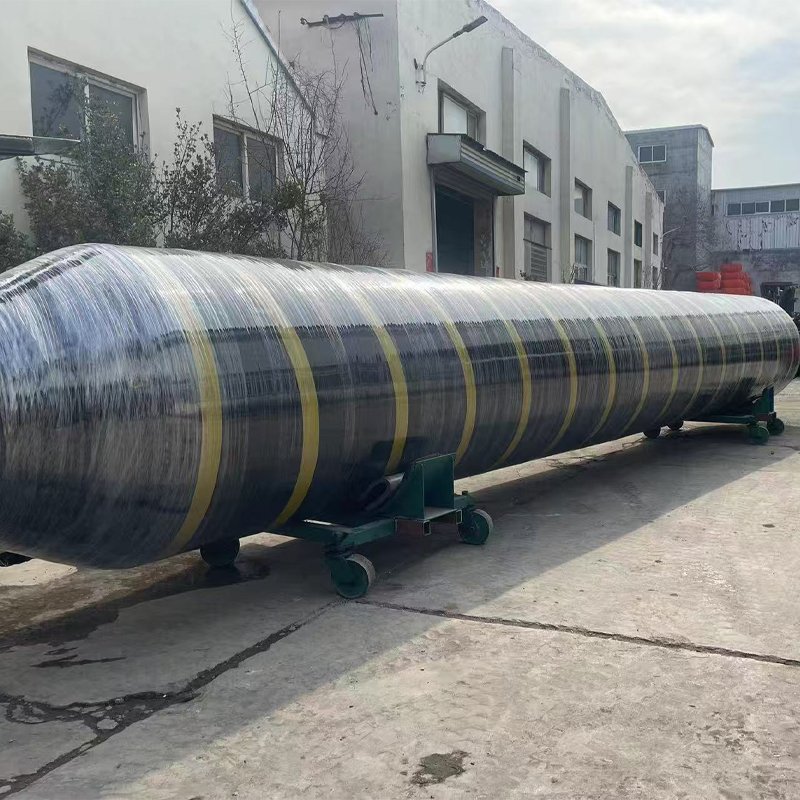
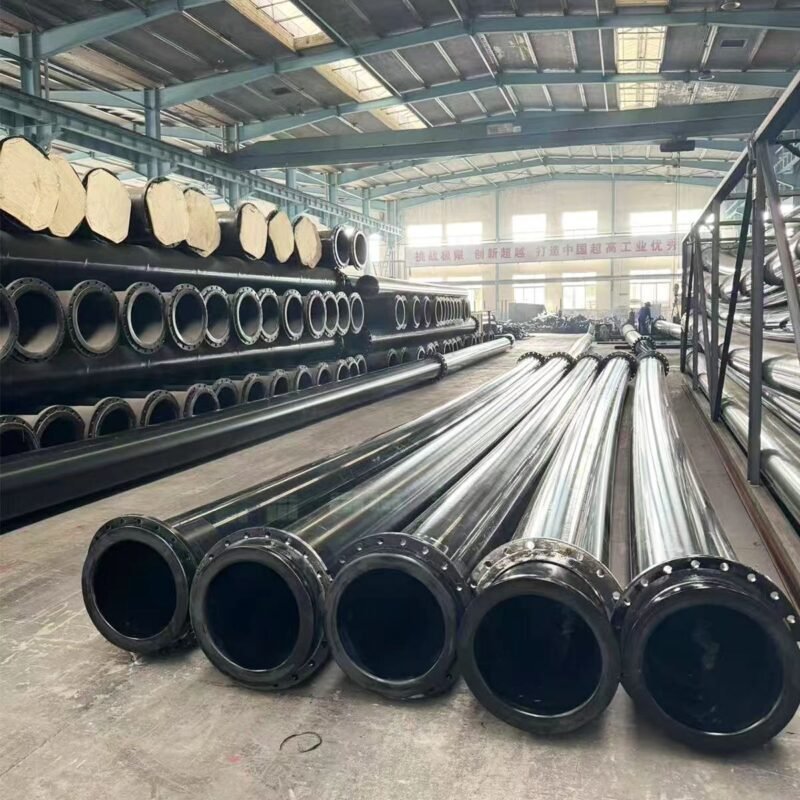
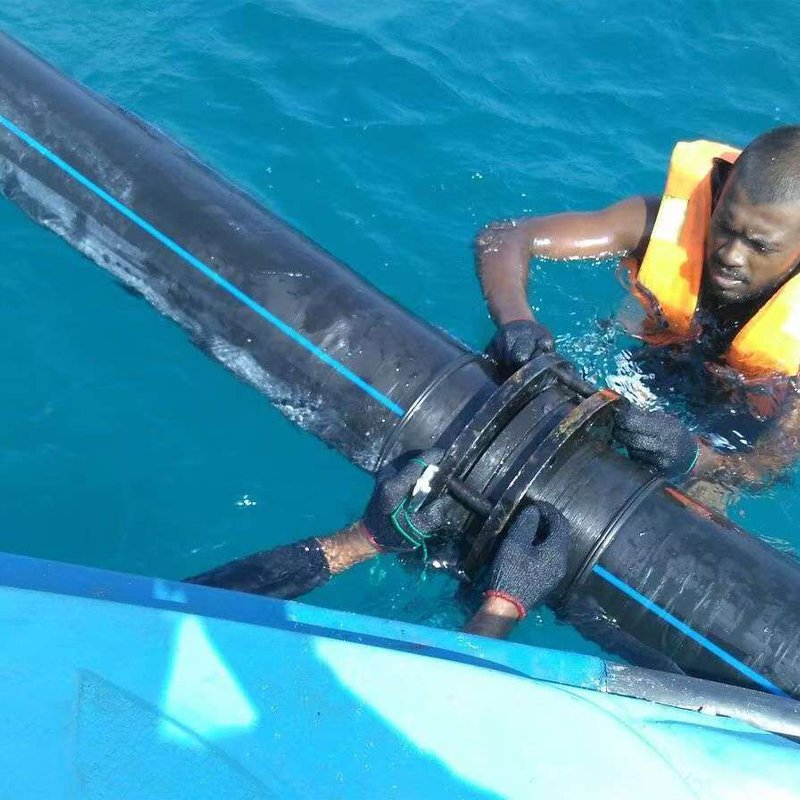
Self-floating pipes (self-floating pipelines or self-floating hoses) are widely used in water operations, dredging projects, and swimming pool cleaning. To ensure their stability, reliability, and extended lifespan, preventive maintenance is crucial. Here are some maintenance suggestions from several aspects:
Firstly, I will summarize the main maintenance directions and key points in a table for quick reference:
Maintenance Category Specific Maintenance Items Suggested Frequency/Timing Regular Inspection Overall structure inspection (cracks, deformation, corrosion, aging) At least once a month for external checks, comprehensive inspection every six months to one year, increase frequency after extreme weather conditions Connection and anchoring device inspection (bolts, hinges, flanges, anchoring points) Monthly operation check, regular tightening and anti-corrosion treatment Buoyancy and leakage check Monitor buoyancy during maintenance, pay attention to performance decline signs
Cleaning and Maintenance Surface cleaning (algae, silt, debris) Regular cleaning based on pollutant accumulation Internal cleaning (for pipelines conveying media) Rinse with clean water after use Professional Testing and Evaluation Professional non-destructive testing (ultrasound, electromagnetic, etc.) Regularly hire professional teams, annually or as required by regulations Environmental adaptability assessment (currents, waves, wind force, water temperature) Regular assessment, especially after environmental changes
Repair and Replacement Minor damage repair (scratches, small area damage) Timely repair using specialized patching materials after discovery Severe damage replacement (structural damage, permanent loss of buoyancy) Timely replacement, consider using replaceable designs (such as replaceable wear-resistant liners)
Standard Operation and Storage Standard operation (avoid rough dragging, collision) Continuously follow operating procedures Proper storage (avoid light, cool, dry, avoid heavy pressure) After each use Record and Training Maintenance record Keeping detailed records after each maintenance Regular personnel training
Key points for daily maintenance operations are listed in the table below, highlighting some details to pay attention to during routine operations:
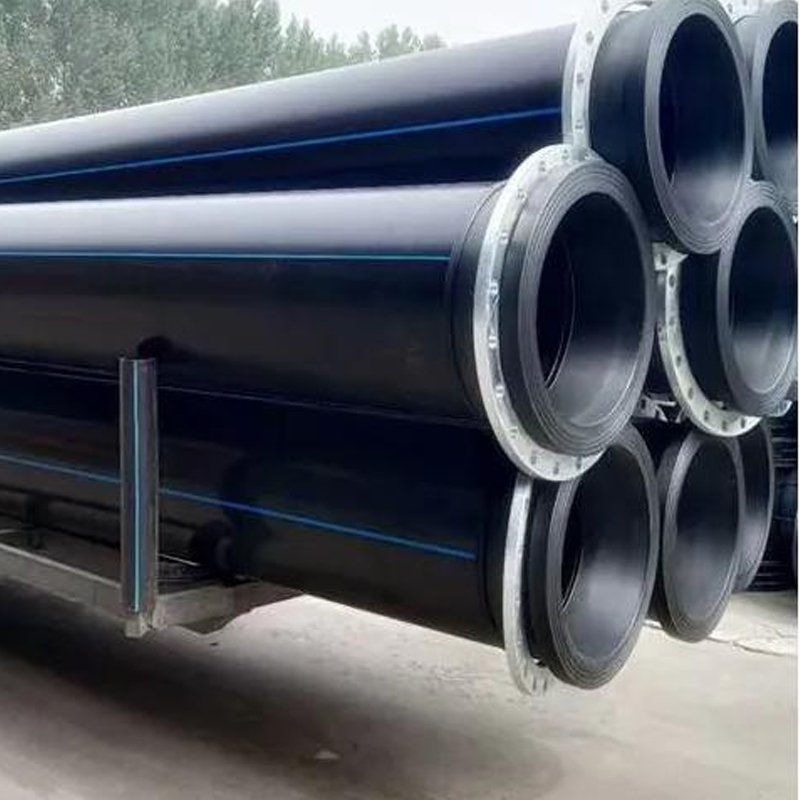
• Inspection should be meticulous: Apart from visual inspection, one can also use their hands to feel the surface for any abnormal protrusions, depressions, or thinning areas, especially in the ‘wet-dry alternating’ sections of water level fluctuation zones, where corrosion and wear are more evident. For flange connection bolts, use an appropriate wrench to check their tightness, but avoid over-tightening.
• Cleaning requires proper methods: When cleaning the surface of floating pipes, use a soft brush or sponge with a neutral detergent solution to scrub, avoiding strong acids, strong alkalis, or organic solvents to prevent damage to the pipe material. For stubborn attachments, you can first rinse with a high-pressure water gun, but the water pressure should not be too high to avoid damaging the pipe body.
• Storage has its own considerations: When pipes are not used for a long time, they should be thoroughly cleaned, especially the inner cavity should be dried. It is best to hang them under a cool, ventilated indoor shed. If they can only be placed flat, avoid stacking multiple layers too high to prevent long-term pressure deformation of the lower layer pipes.
🔧 About repair and replacement:
• Replaceable design consideration: For some easily worn parts, such as dredging hoses conveying abrasive materials, consider using a replaceable wear-resistant liner design. This way, when the liner wears out, only the liner needs to be replaced instead of the entire pipe, which is more economical.
• Scrapping and reuse: For some highly damaged buoyant units, explore the possibility of repair and
Special attention: The maintenance focus for different self-floating pipes may vary depending on the application scenario:
– For dredging project self-floating hoses: Pay close attention to the wear of the inner wall, check the strength and sealing of the flange connections, and the external resistance to mechanical damage.
– For swimming pool self-floating suction pipes: It is recommended to rinse the inside with clean water after use to prevent chlorine and other chemicals in the pool water from accelerating pipe aging. Avoid direct sunlight when storing.
– For seawater applications: Special attention should be paid to the corrosion of metal connectors by seawater. Corrosion-resistant materials (such as stainless steel, galvanized treatment) or sacrificial anode protection can be used. Biofouling may also be more prominent, requiring increased cleaning frequency.
Summary: Preventive maintenance of self-floating pipes focuses on proactive, regular, and systematic work rather than waiting for problems to occur. This can effectively reduce the risk of failure, extend service life, ultimately ensuring operational safety and improving economic efficiency. I hope these suggestions are helpful to you. If you can tell me which specific scenario your self-floating pipe is used in, I might be able to provide more targeted advice.