Structural Analysis of Internal Armor Dredging Rubber Hoses
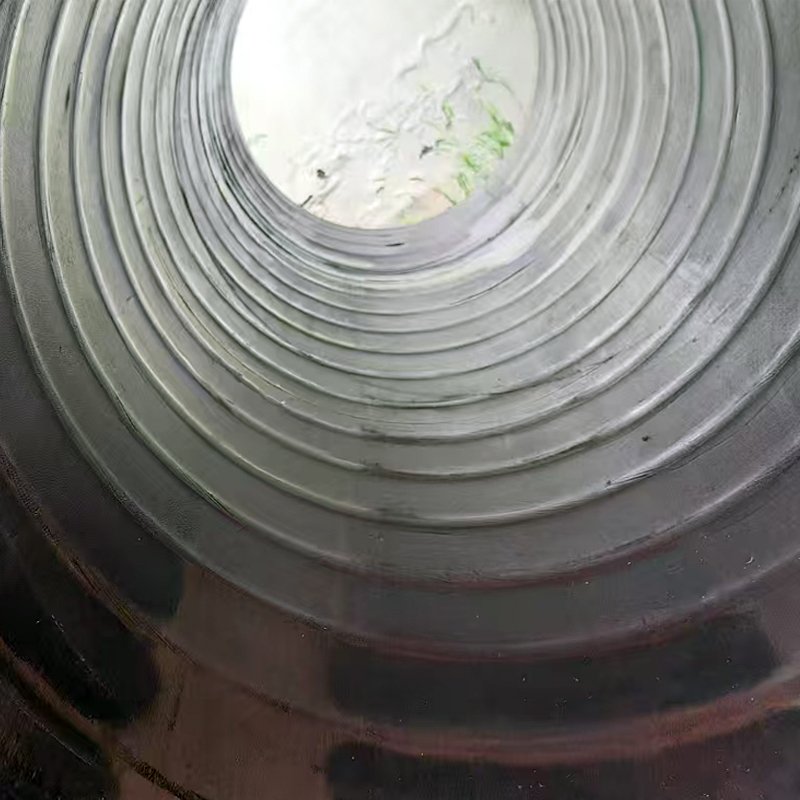
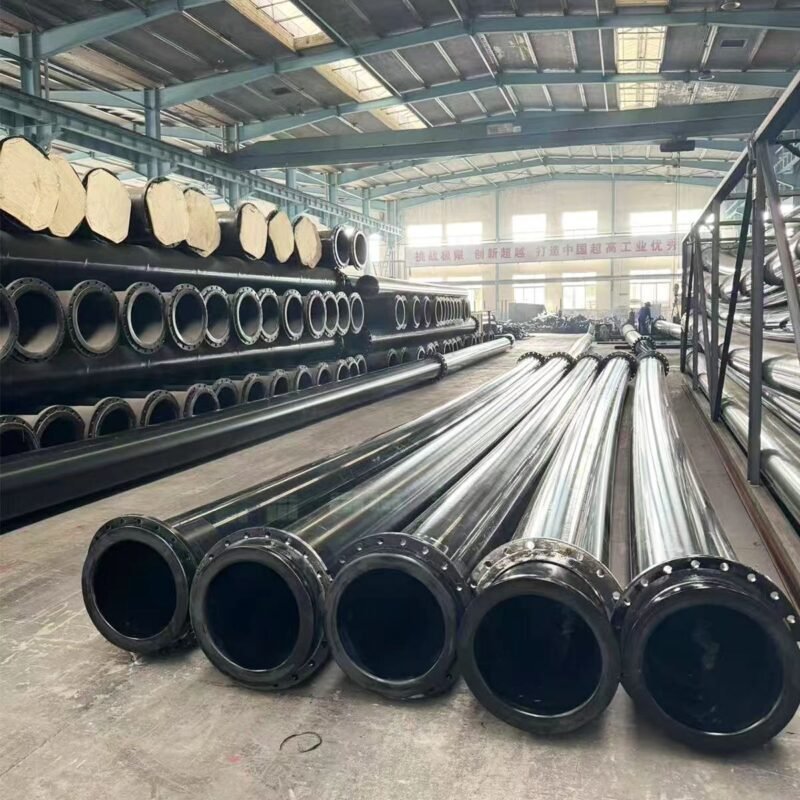
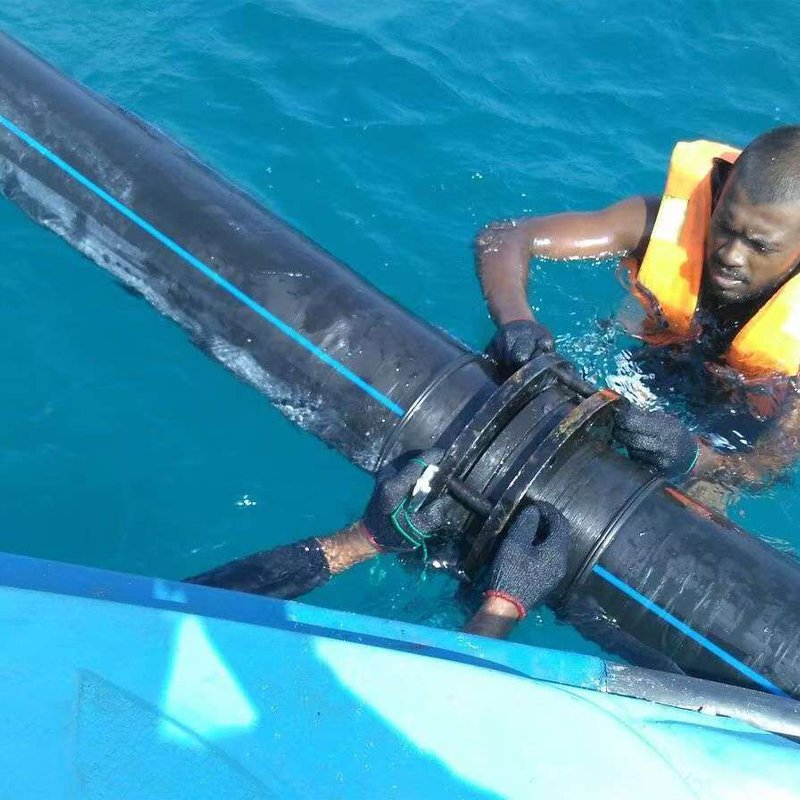
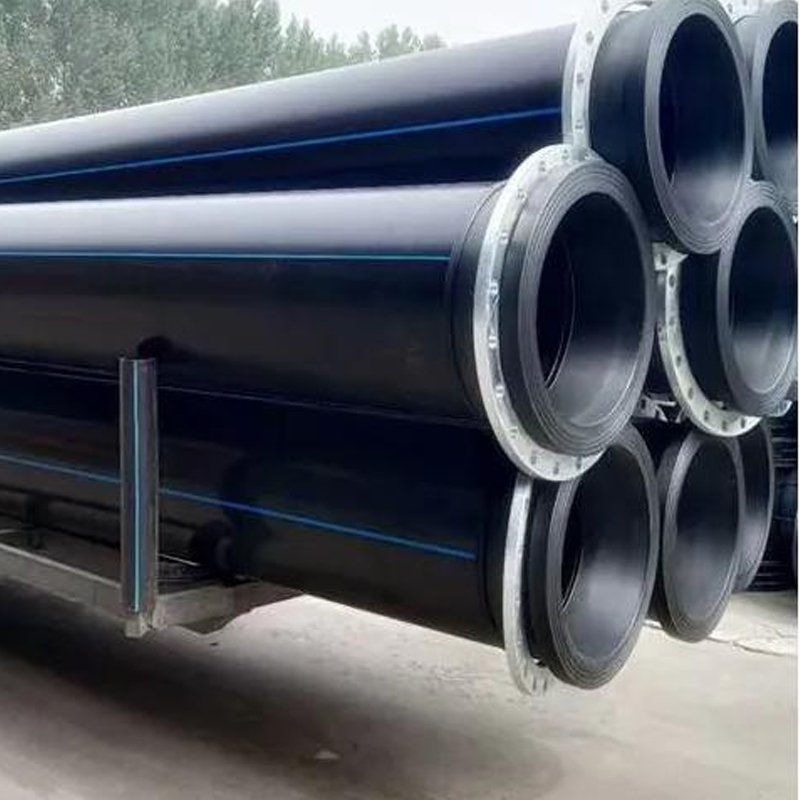
The core structure of the inner armor dredging rubber hose is typically composed of multiple layers of functional materials.
According to relevant national standards and technical documents, its main structure and characteristics are as follows: Typical Structure in National Standards According to the recommended national standard of China GB/T 33382-2016 ‘Inner Armored Mud-Carrying Rubber Hoses and Hose Assemblies’, this type of hose is suitable for conveying mud-water mixtures containing high-density, abrasive solids (such as coral reefs, gravel) under harsh conditions (ambient temperature -20°C to +60°C). Although the detailed structural diagrams are not publicly available in the standard text, it can be inferred from its scope of application that its core design must necessarily include key components such as a wear-resistant lining, a reinforcing skeleton layer (inner armored layer), and an outer protective layer, in order to simultaneously meet the requirements of pressure resistance, wear resistance, and flexibility.
Other Relevant Structures and Standards
In addition to the aforementioned national standards, there are other relevant structures and standards in the industry. The core differences are focused on the material selection and placement of the armor (reinforcement) layer:
Standard/Type
Core Characteristics
Main Applications
GB/T 33382-2016 (Mainstream Standard)
Inner armor structure, with the reinforcement layer located in the inner layer or interlayer, balancing wear resistance and flexibility
Used for conveying abrasive mud, sand, and gravel media in dredging projects
T/CHIDA 305.5-2021 (Group Standard)
Adopts a fully metallic armor design on the inner wall, focusing on enhancing the metal wear resistance of the lining layer
Suitable for dredging conditions with extremely strict requirements for inner wall wear resistance
Interlayer Armor Alarm Structure (Patented Technology)
Integrates a crack detection layer in the armor layer, enabling damage warning; features a special design for partial replacement
Applicable to scenarios with high requirements for operational safety and maintenance cost control
Selection and Usage Recommendations
Structural selection should be based on specific operating conditions as the core basis, with the following key reference factors:
Characteristics of the medium to be conveyed: If the medium contains a large amount of hard, sharp gravel or coral reefs, products compliant with the GB/T 33382-2016 standard should be prioritized. Their internal armor design is specifically engineered to withstand such highly abrasive media.
Wear Resistance Priority: If wear is the most critical challenge in operations, focus on products conforming to the T/CHIDA 305.5-2021 standard that feature an \”inner full-metal armor\”. These products offer superior wear resistance.
Safety and Maintenance Requirements: For pipelines with long-distance laying, high operational risks, or inconvenient shutdown for maintenance, it is recommended to consider innovative patented structures with breakage alarm functions. These can promptly detect potential hazards and reduce downtime losses.
If specific operating conditions (such as main components of the conveyed material, actual working pressure, operating environment temperature/humidity, etc.) can be further specified, more targeted selection analysis and usage recommendations can be provided.