Structural Analysis of End Dredging Rubber Hose
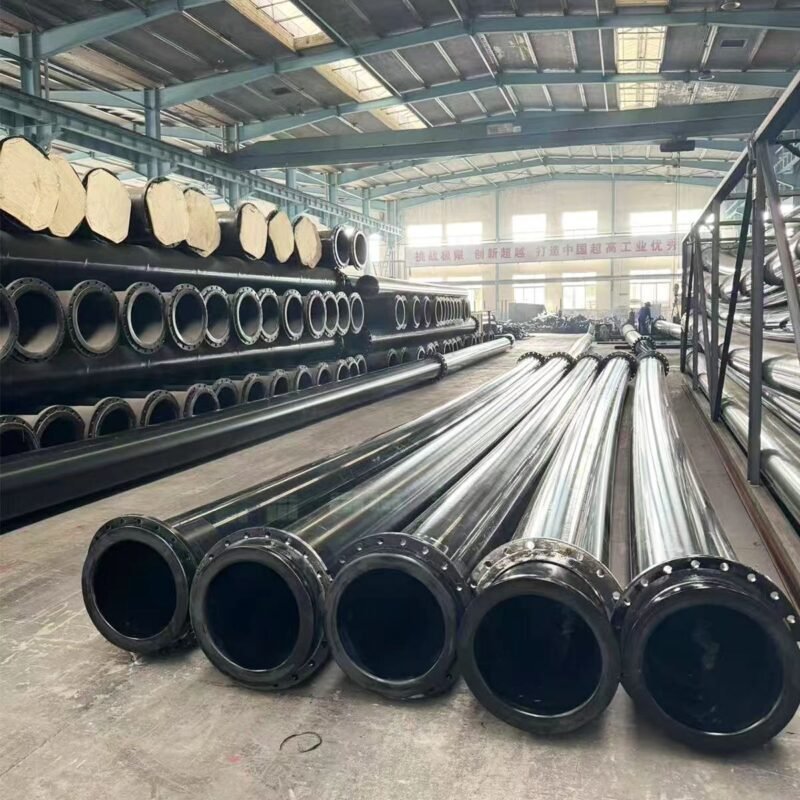
End Suction Rubber Hoses are critical components in dredging engineering, specifically used to connect dredgers with slurry discharge pipes, or slurry pumps with conveying pipelines. Due to their ends directly bearing the high pressure, high wear, and complex mechanical environment from slurry pumps, their structural design is much more robust and complex than ordinary rubber hoses.
Below is the typical structural composition of end suction rubber hoses, usually including the following parts from inner to outer, and from main body to accessories:
### I. Core Main Structure (from inner to outer)
1. **Lining Layer / Wear-Resistant Layer**
– **Material**: Typically made of extremely wear-resistant natural rubber or wear-resistant synthetic rubber (such as high-hardness styrene-butadiene rubber), with special wear-resistant fillers (such as silicon carbide particles) added.
– **Function**: Directly contacts and transports abrasive slurries containing sand, gravel, and rock fragments. Its primary role is to resist wear and corrosion, making it the key layer determining the hose’s lifespan.
– **Characteristics**: The inner wall is usually very smooth to minimize flow resistance and prevent material buildup.
2. **Pressure-Resistant / Reinforcement Layer**
This is the “skeleton” of the hose, responsible for withstanding internal pressure, negative pressure, and various external forces. It is typically composed of multiple layers:
– **Steel Wire Winding Layer**: The most mainstream and efficient structure. High-strength steel wires are wound in multiple layers (usually 4 or 6 layers) at a specific angle (typically close to 54.7°). This structure balances circumferential and axial stresses, offering extremely strong pressure resistance and good flex fatigue performance.
– **Steel Wire Braid Layer**: May be used in some lower-pressure or smaller-diameter hoses, but its flexibility is inferior to the winding structure.
– **Cord Fabric Layer**: May be used in low-pressure or non-critical areas, but is rarely seen in high-pressure end hoses.
3. **Cover Layer**
– **Material**: Uses synthetic rubber resistant to weathering, ozone, seawater, and aging (such as chloroprene rubber).
– **Function**:
– Protect the internal steel wire reinforcement layer from erosion by moisture, salt, ultraviolet rays, and other environmental factors.
– Resist external physical wear and impacts.
– Possess certain flame-retardant and anti-static properties.
### II. End Reinforcement and Connection Structure (the special of end suction hoses)
The end is the weakest link of the entire hose and the area of highest stress concentration, thus requiring special reinforcement.
1. **External Reinforcement Ring / Anti-Twist Ring**
– **Structure**: On the cover layer of the hose end, several protruding rubber rings are vulcanized.
– **Function**:
– Prevent twisting: When connected to a flange, these rings can be clamped into clamps or fixtures, preventing the hose from rotating or loosening under high pressure.
– Enhance stiffness: Locally increase the radial stiffness of the end to prevent excessive deformation under flange pressure.
– Protect steel rings: Cover and protect the internal metal flange seat.
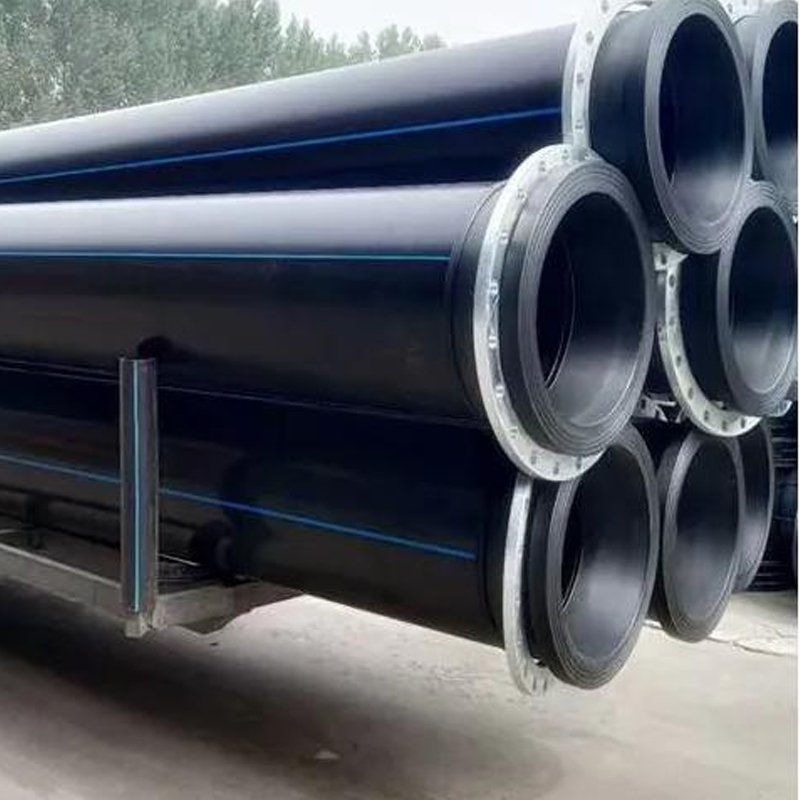
2. **Embedded Metal Flange Seat / Steel Ring**
– **Structure**: A ring made of metal (usually carbon steel or wear-resistant steel), completely embedded and wrapped in the rubber hose end during vulcanization.
– **Function**:
– Provide a sturdy base for connection.
-Tight connect with the rubber hose body through vulcanization to ensure sealing and connection reliability.
– Features bolt holes for mating with standard flanges.
3. **Additional End Reinforcement Layer**
In the end region, the internal steel wire reinforcement layer is typically locally densified or has additional layers to withstand higher stress and wear in this area.
III. Optional Additional Structures
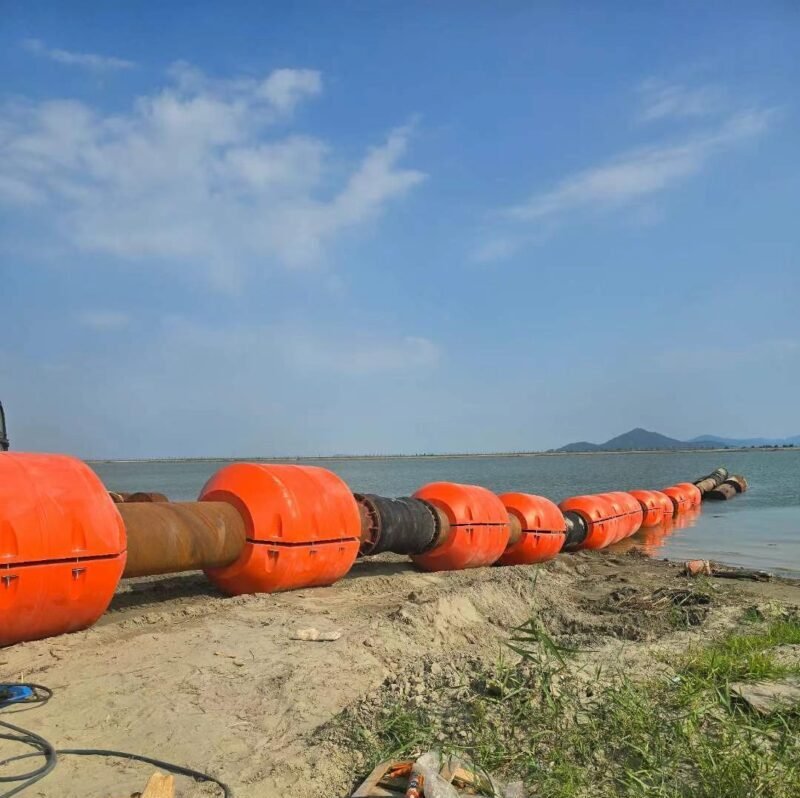
1. Buoyancy Layer
For slurry pipes that need to float on water, an additional closed-cell foam layer (such as polyethylene foam) is bonded outside the outer cover layer, with a protective outer skin on the outermost layer.
2. Conductive Wire
To dissipate static electricity generated by slurry flow, some hoses are embedded with a continuous conductive rubber wire or metal conductor.
Summary
The end dredging rubber pipe is a typical composite structure product. Its design essence lies in:
• Inner Softness and Outer Hardness: The inner layer is wear-resistant to withstand the slurry, while the outer layer is tough to resist environmental factors.
• Strong Bones and Robust Body: The middle steel wire layer provides powerful pressure-bearing capacity.
• Solid Ends: The ends are specially reinforced through embedded steel rings, external anti-twist rings, and local strengthening to ensure a sealed, secure, and durable connection with rigid pipes.
This complex structure ensures that it can withstand high pressure, strong wear, and frequent bending deformation for long periods under harsh dredging conditions.