Selection Guide for Inner Armored Mud Transfer Rubber Hoses and Self-Floatable Slurry Discharge Rubber Hoses

The choice between armored inner rubber hoses for slurry conveying and self-floating rubber hoses for sludge discharge mainly depends on your core requirements: whether you prioritize wear resistance and impact resistance, or the convenience of floating operations on water. The following comparison table can help you quickly grasp the key differences:
Comparison Dimensions
Inner Armored Slurry Conveying Rubber Hose
Self-Floating Sludge Discharge Rubber Hose
Core Difference Explanation
Core Structure and Function
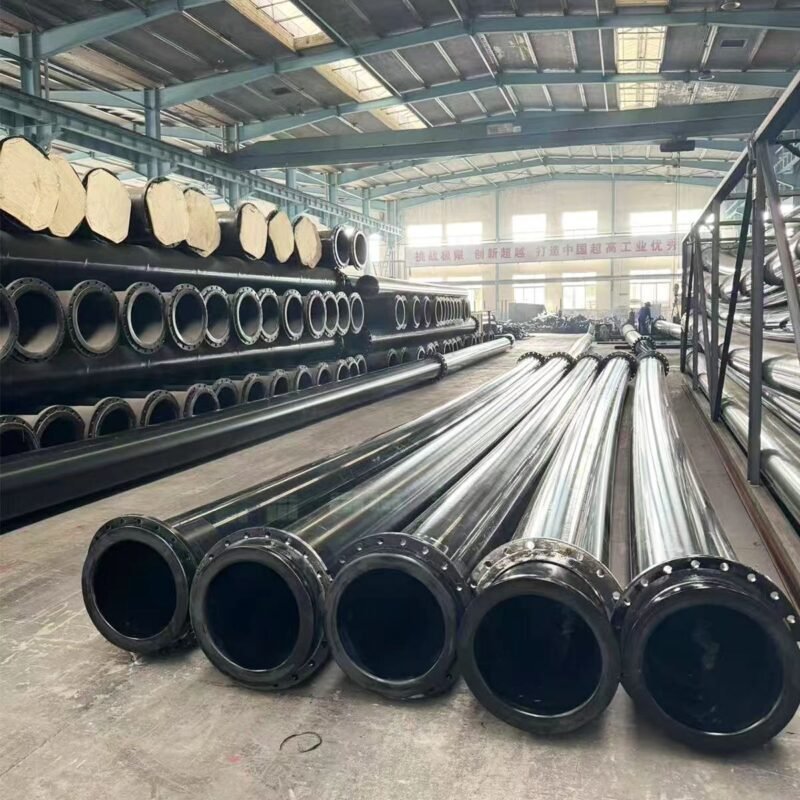
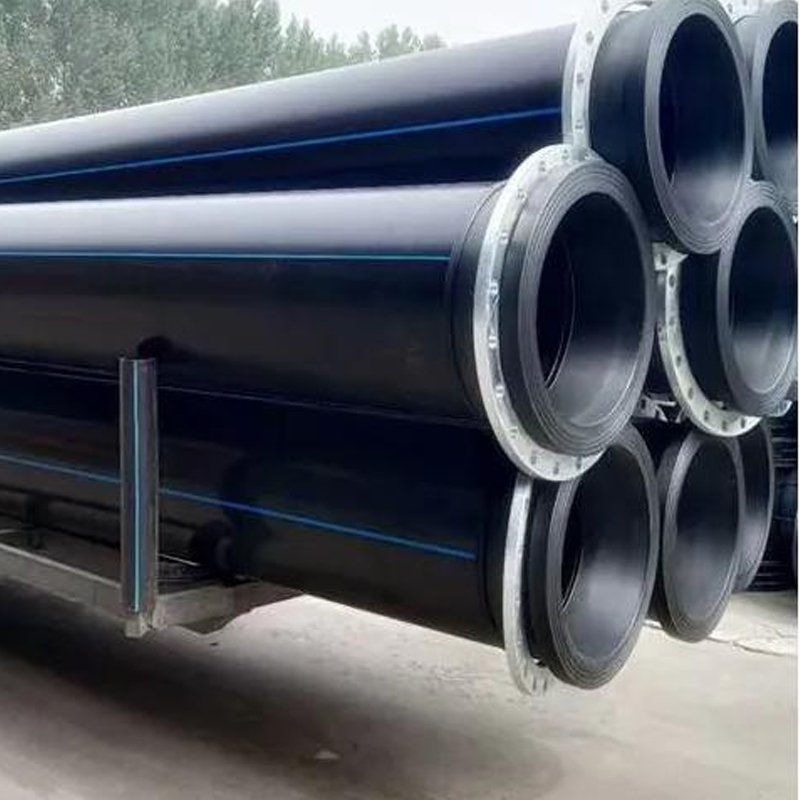
Enhanced Wear and Pressure Resistance: The inner layer contains an ‘inner armor’ structure (such as metal rings, reinforcement layers), whose main function is to protect the hose body and improve wear and pressure resistance.
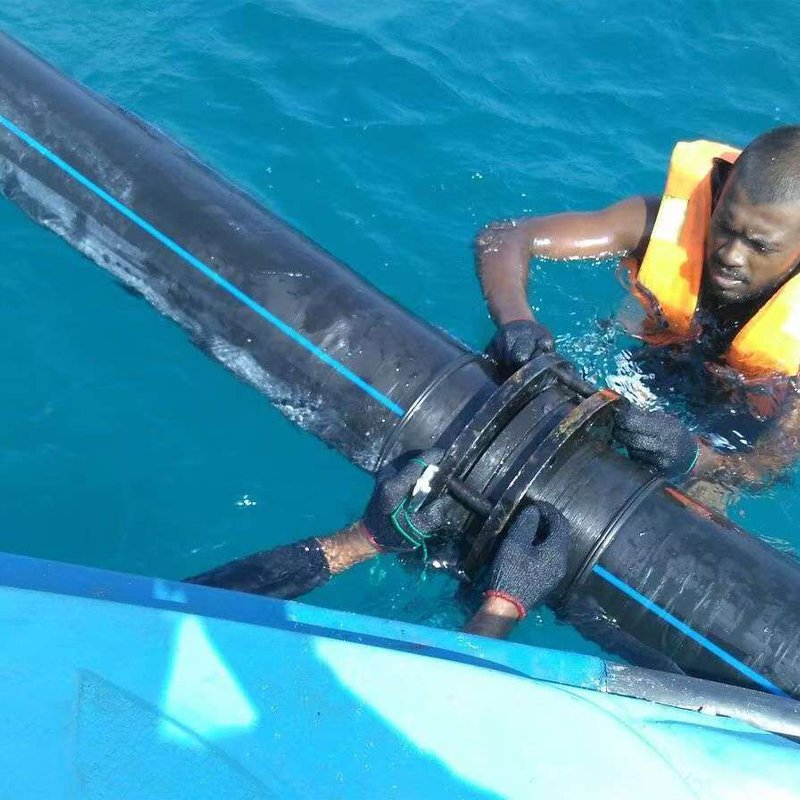
Achieve Self-Floatation: The hose wall integrates a floatation layer, allowing it to automatically float on the water surface, meeting the pipeline laying requirements for water-based operations.
Different Design Purposes: The former focuses on ‘internal strengthening’ (abrasion resistance, high pressure resistance), while the latter focuses on ‘morphological adaptation’ (ensuring floatation).
Limitations
No Self-Floatation Capability: If used for water-based operations, additional floats or scaffolding need to be installed, increasing system complexity and construction costs.
Relatively Limited Wear Resistance: Its wear resistance mainly relies on the rubber formula itself. When facing extremely abrasive media with a large amount of sharp hard objects, its service life is likely to be shorter than that of the inner armored slurry conveying rubber hose.
Each has clear shortcomings: When choosing, you need to closely align with the core usage environment to avoid the impact of shortcomings on operational efficiency and costs.
Standards and Specifications
GB/T 33382-2016: ‘Rubber Hoses for Dredging’, which clearly stipulates the structural, dimensional, and performance requirements of inner armored slurry conveying rubber hoses.
GB/T 37221-2018: ‘Self-Floatable Dredging Rubber Hoses’, the exclusive national standard for self-floating sludge discharge rubber hoses, regulating their production and inspection requirements.
Independent Standard Adaptation: Both product categories have corresponding national standards to ensure the standardization of production and use.
💎 How to Choose
The core logic of selection is to match the usage environment and conveying medium, which can be specifically divided into the following two situations:
Prioritize Inner Armored Slurry Conveying Rubber Hose: If the core operation is ‘stable conveying with wear resistance’, especially when conveying media containing a large number of sharp, hard stones, coral reefs, or gravel, and wear problems have seriously affected construction costs (frequent hose replacement) and project schedule, then the inner armored slurry conveying rubber hose is a better choice – its core advantage lies in providing a longer service life under harsh wearing conditions, reducing comprehensive operation and maintenance costs.
Prioritize Self-Floatable Sludge Discharge Rubber Hose: If the core operation is ‘efficient completion of water-based pipeline laying’, such as pipeline laying for floating sections of suction dredgers, water-based sludge conveying pipeline deployment in rivers, ports, etc., and the conveying medium is mainly low-wear materials such as conventional silt and sand, then the self-floating sludge discharge rubber hose is more suitable – it can greatly simplify the construction process, reduce the investment in additional supporting equipment, and at the same time improve the stability and deployment efficiency of the pipeline on water.
It is worth noting that the two options are not mutually exclusive. In practical dredging projects, especially large-scale ones, a combination approach is a more scientific solution: using self-floating slurry rubber hoses for the floating conveyance section on water to ensure laying efficiency and stability on water; and using internally armored slurry rubber hoses for transition sections with high wear risk, such as those connecting the underwater excavation end or the land receiving end, to withstand the impact of strongly abrasive media—thus achieving dual guarantees of efficiency and durability through \”complementary advantages\”.
If you can provide specific usage scenario information (e.g., main type of material to be conveyed, working environment as on-water, underwater, or land-based, hard particle content in the medium, etc.), I can offer more precise selection recommendations.