Selection and application considerations of tapered floating hose
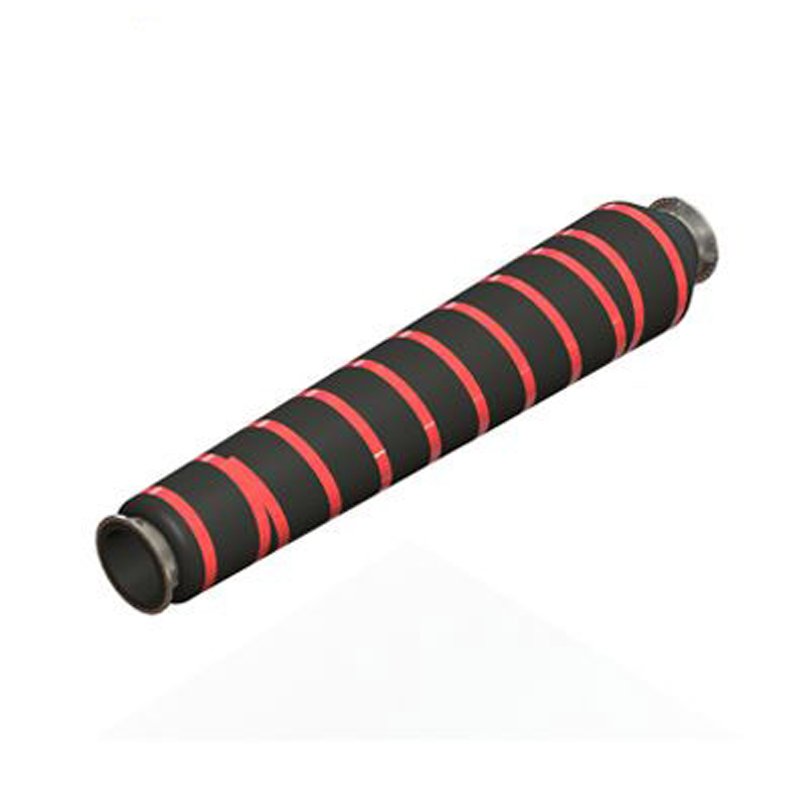
Tapered floating hose can play a role in these scenarios, key to its effectiveness lies in its characteristics meeting specific needs:
• Buoyancy and stability: This type of hose usually contains buoyant materials (such as foam filling) or external added floats/buoys, which can stabilize floating on the water surface.
• Flexibility and weather resistance: It needs to withstand wave impact, water flow shock, and long-term ultraviolet exposure, with materials typically having properties such as wear resistance, corrosion resistance, and weather resistance.
• Advantages of conical design: ◦ Easy to connect and disconnect: The conical design can easily connect to different diameter pipe openings or equipment, sometimes achieving quick coupling function. ◦ Improved fluid dynamics: In some cases, the tapered or expanding cone can optimize fluid speed and pressure, reducing turbulence and energy loss. ◦ Enhanced flexibility and adaptability: The conical transition section may provide greater bending freedom, adapting to complex wave movements and water flow conditions.
Important considerations When actually selecting and using tapered floating hose, the following points need special attention:
1. Material compatibility: Ensure that the hose material is compatible with the conveyed medium (such as oil, chemicals, sand, etc.) to prevent degradation or contamination.
2. Working pressure and temperature: Clearly understand the maximum working pressure and temperature range the hose is designed for, and never exceed these limits.
3. Wear resistance: When conveying media containing solid particles (such as sand), wear resistance is crucial, directly affecting the hose’s lifespan.
4. Resistance to external environment: Consider the intensity of ultraviolet radiation, salinity, possible impacts, and friction in the operating water area, and choose products with corresponding weather resistance levels.
5. Connection and sealing: The sealing reliability of the conical interface is key, ensuring that the connection remains sealed in wind and waves to prevent leakage.
6. Maintenance and inspection: Regularly check the hose for wear, cracks, bulges, or buoyancy loss, and maintain and pressure test according to regulations.
I hope this information helps you better understand the application of tapered floating hose. If you have more specific application scenarios or are interested in a certain type of hose, I can provide more detailed information.