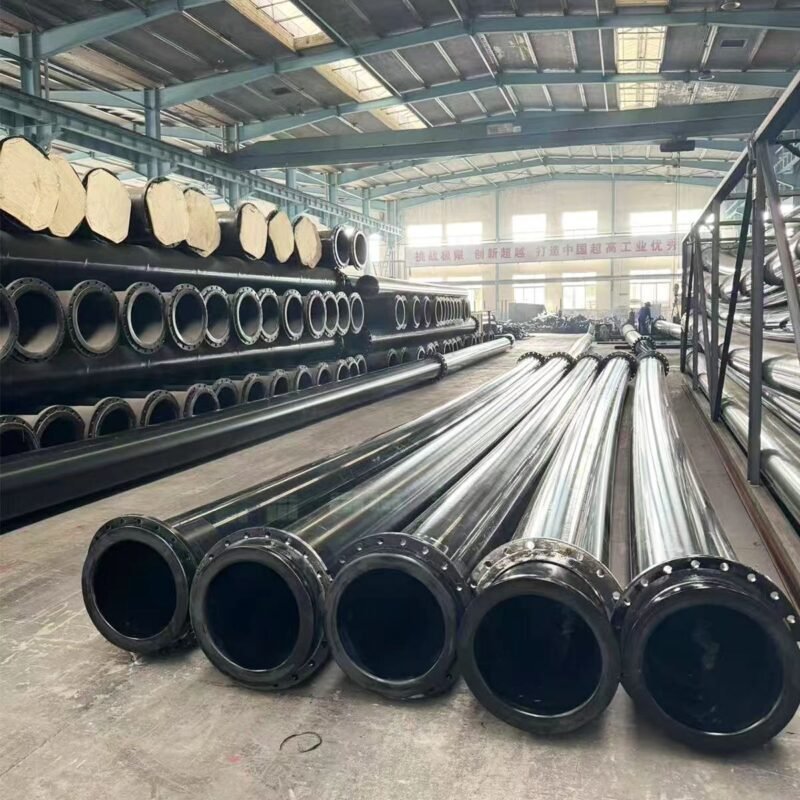
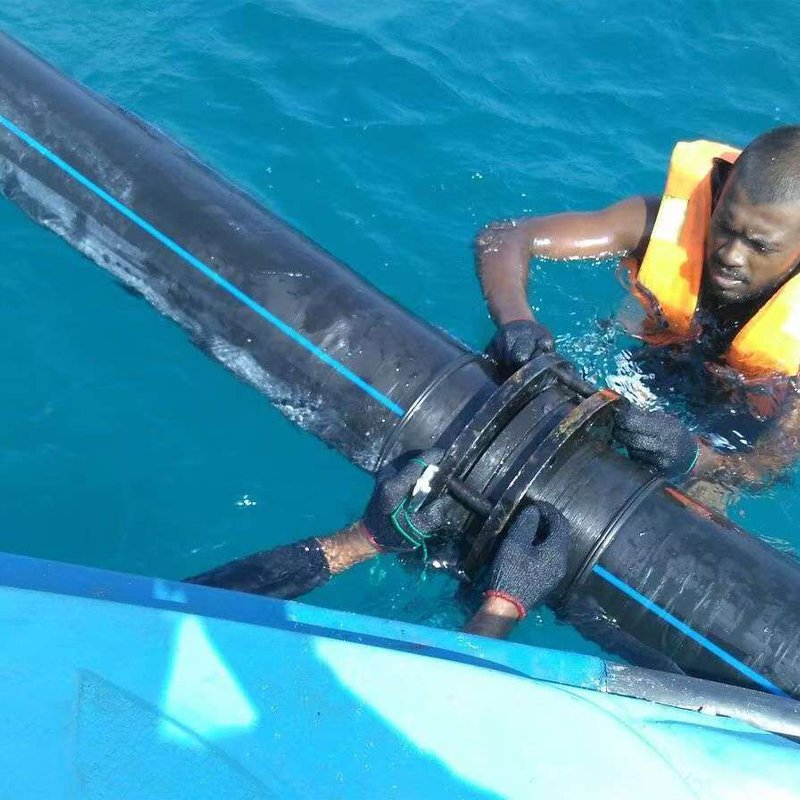
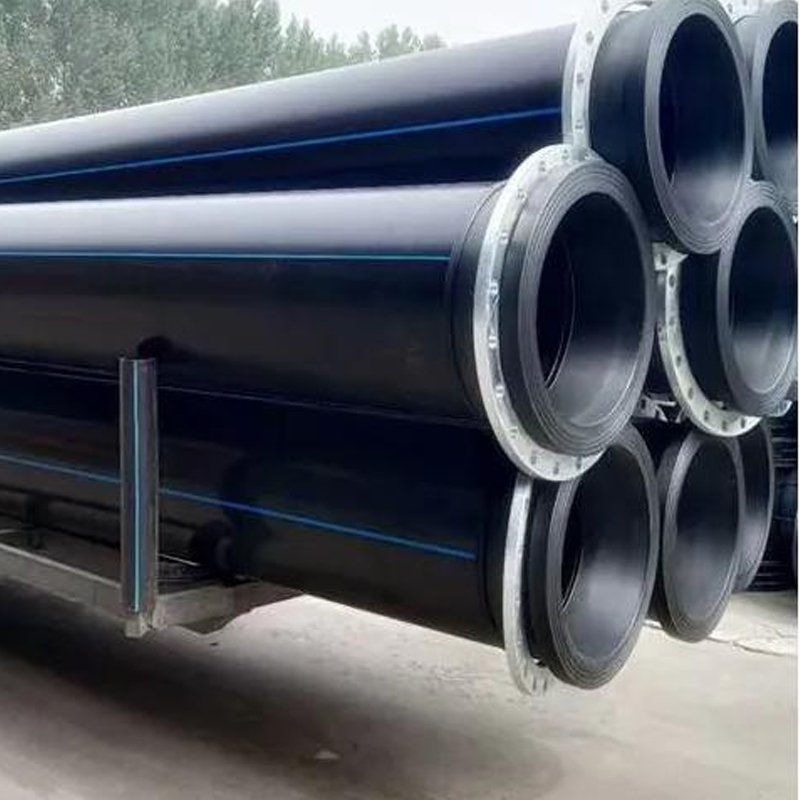
Rubber flange sludge suction pipe preventive recommendations
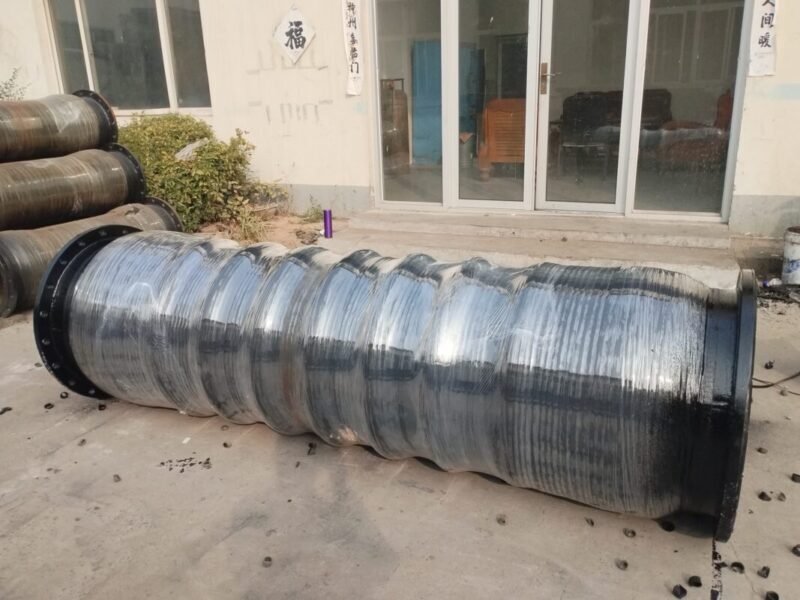
Preventive recommendations for rubber flange suction mud pipes focus on prevention as the primary approach and maintenance as a secondary one. By standardizing operations and conducting regular maintenance, the service life of the pipes can be maximized, and sudden failures can be avoided. The following are detailed suggestions covering the entire process from design and selection, installation, operation, to maintenance and inspection:
I. Design and Selection Stage (Source of Prevention)
This is the most critical step, as an incorrect choice can make subsequent maintenance efforts inefficient.
1. Rubber Material Selection:
– Abrasion Resistance: Since suction pipes typically convey media containing sand, slag, and other particulate matter, high-abrasion-resistant rubber formulas such as natural rubber (NR) or wear-resistant styrene-butadiene rubber (SBR) should be chosen.
– Chemical Resistance: Select rubber with corresponding chemical resistance based on the nature of the conveyed medium (e.g., acidic, alkaline, oily). For example, nitrile rubber (NBR) is resistant to oil, while chlorinated polyethylene (CR) is resistant to acids, alkalis, and aging.
– Pressure Requirements: Ensure that the design working pressure of the rubber flange and pipe body is higher than the system’s maximum working pressure, with sufficient safety margin (usually 1.5 times or more).
2. Structural Design:
– Flange Structure: Choose flanges with internal steel or fiber reinforcement layers to ensure sufficient strength and resistance to deformation, preventing tearing during tightening or bursting under pressure.
– Flange Lip: Check if the flange lip is full and free of defects, which determines the reliability of the seal.
– Pipe Body Structure: Typically a multi-layer structure, including an inner rubber layer (abrasion-resistant/corrosion-resistant), a reinforcing layer (cotton fabric/steel wire), and an outer rubber layer (anti-aging/abrasion-resistant).
3. Specification Matching:
– Ensure that the rubber flange’s hole diameter, number of holes, and center distance match exactly with the metal paired flange.
– Ensure that the rubber flange’s outer diameter and sealing surface match the metal flange to avoid misalignment or insufficient sealing surface leading to leakage.
II. Installation Stage (Correct Installation Ensures Longevity)
Incorrect installation is the main cause of early damage.
1. Alignment Calibration:
– Before installation, ensure that the two metal flanges are parallel and aligned, with consistent centerlines. Significant misalignment can subject the rubber flange to enormous shear stress, causing distortion or tearing.
2. Clean Flange Surface:
– Thoroughly remove rust, weld slag, old gasket fragments, sand, and any other hard impurities from the metal flange sealing surface. A small particle can lead to poor sealing or damage to the rubber surface.
3. Correct Bolt Installation:
– Use appropriate bolts: The bolt length should allow for 2-3 thread pitches to protrude after tightening, avoiding excessive length or shortness.
– Diagonal Sequence Tightening: Use a diagonal alternating, multiple-step, uniform tightening method (as shown in the diagram below) to ensure even force distribution on the flange surface, preventing local overpressure and tearing. Do not tighten all bolts in a clockwise or counterclockwise sequence at once.
– Moderate Torque: Use a torque wrench and tighten to the recommended torque value. Over-tightening is a common cause of rubber flange deformation and cracking.
Tightening Sequence Diagram:
For a 4-hole flange: 1 → 3 → 2 → 4
(1) (2)
(3) (4)
For more holes, follow the “diagonal symmetry” principle.
Operation and Usage Stage (Avoiding Improper Operations)
1. Smooth Operation:
– When starting or stopping the pump, do so slowly to avoid water hammer (sudden pressure fluctuations) that can impact the piping and flanges, causing loosening or delamination of the rubber layer.
– Control flow and velocity within the design range to prevent overloading.
2. Environmental Avoidance:
– If the environment contains ozone, ultraviolet light, or high-temperature sources, take protective measures (such as applying protective paint or adding insulation covers) as these factors accelerate rubber aging and cracking.
– Avoid contact with organic solvents, strong acids, strong bases, oils, and other chemicals unless the hose material itself is resistant to them.
Maintenance and Inspection Stage (Regular Inspections, Preventing Potential Issues)
Establish a regular inspection system to promptly identify potential problems.
1. Daily Inspection:
– Leak Check: Observe if there are water droplets or mud seepage at the flange connections.
– Visual Inspection: Check the rubber flange for bulging, cracks, crazing, permanent compression deformation, surface powdering, etc.
– Abnormal Sounds: Listen for hissing leak sounds or unusual vibration noises during operation.
2. Regular Inspection:
– Bolt Tightening: After the system has been running for some time (e.g., 24-48 hours), due to vibration and temperature changes, bolts may loosen. Recheck and tighten them diagonally once.
– Comprehensive Inspection: Every month or each major maintenance cycle, conduct a more detailed inspection of the inner and outer walls of the rubber flange using a flashlight to check for wear.
3. Preventive Replacement:
– Do not wait until complete failure to replace. Based on usage experience and inspection results, establish a reasonable replacement cycle. If local cracks, severe wear (especially on the inner wall), or significant loss of elasticity are found, plan for immediate replacement.
Summary: Key Preventive Points Checklist
– Select the right material: Choose rubber with good wear resistance and corrosion resistance based on the medium.
– Align properly: Ensure the two metal flanges are parallel and centered during installation.
– Clean thoroughly: The sealing surface must be absolutely clean and free of debris.
– Even force: Tighten the bolts diagonally in stages with appropriate torque.
– Avoid water hammer: Operate to prevent sudden pressure fluctuations.
– Avoid the environment: Keep away from direct exposure to ozone, ultraviolet light, and chemicals.
– Inspect frequently: Establish daily and regular inspection systems, focusing on leaks, appearance, and bolt loosening.
– Replace regularly: Based on actual wear and aging conditions, conduct preventive replacements.
By following these recommendations, the reliability and service life of the rubber flange suction hose can be significantly improved, reducing unplanned downtime losses.