Rubber expansion joint preventive recommendations
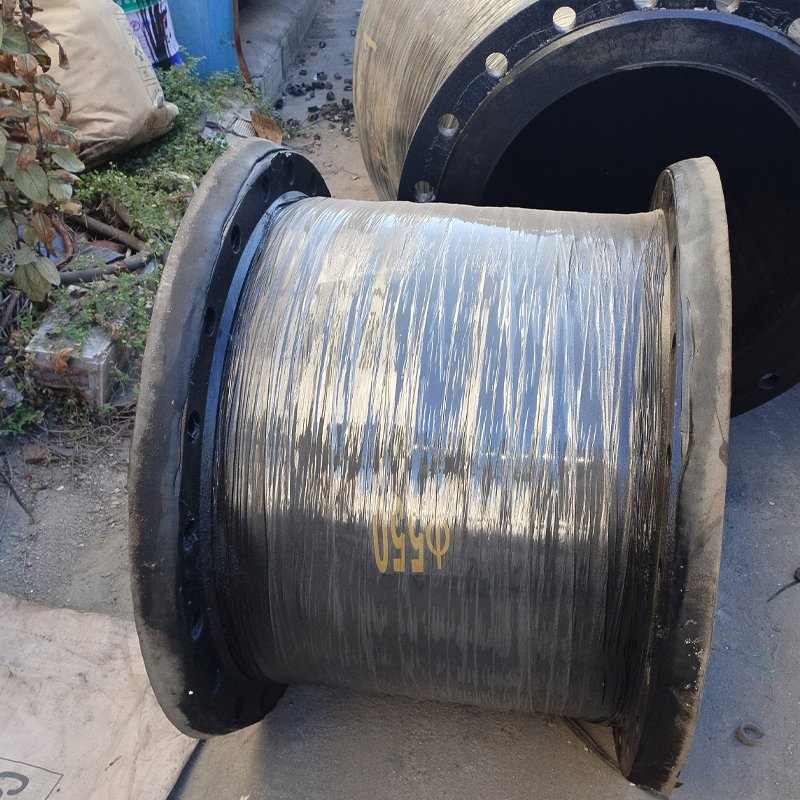
Rubber expansion joints are crucial flexible connection elements in pipeline systems, effectively compensating for displacements caused by thermal expansion and contraction, vibration, and installation deviations. To ensure their long-term reliable operation and prevent damage, I have compiled the following preventive maintenance guidelines.
Rubber Expansion Joint Preventive Maintenance
Guide Common Faults and Preventive Measures of Rubber Expansion Joints
Fault Type Possible Phenomena Main Cause Analysis Preventive Measures
Cracking and Aging Surface cracking, local peeling Ozone erosion, ultraviolet radiation, over-service period Add sunshades, regularly apply protective agents, replace promptly
Leakage Water leakage at connection points Insufficient bolt preload, pipeline misalignment Tighten bolts, replace gaskets, adjust pipeline concentricity (within ±0.5mm error) Abnormal Deformation Permanent stretching or compression deformation Pressure peak overload, frequent start-stop impact Install hydraulic dampers, select models with 20% safety margin, replace deformed parts immediately Resonance Damage Stress leading to fracture Periodic motion frequency equals natural frequency Change plate thickness/number/material, install damping plates, use asymmetric waveforms or forks to transmit torque
Oxidation Corrosion Cracking, stickiness, hardening, powdering Oxygen, ozone, heat, light, mechanical stress, moisture Avoid humid environments, regular inspections, replace beyond service life
Key selection and installation recommendations:
Correct selection and installation are the first line of defense against issues with rubber expansion joints.
1. Precise selection: Must comprehensively consider factors such as medium characteristics, working pressure, temperature range, and installation environment.
For example:
– Corrosive media: Should use fluororubber (FPM/FKM) and other corrosion-resistant materials.
– High-temperature conditions (above 120°C): Prefer silicone rubber (VMQ) or ethylene-acrylic rubber (AEM).
– Pressure selection: The rated pressure value should be at least 30% higher than the actual working pressure to ensure safety margin.
– Presence of axial movement: It is recommended to use a product structure design with limit devices to prevent excessive stretching or compression.
2. Scientific installation:
– Alignment is crucial: During installation, the axis deviation should not exceed ±5°, otherwise it will cause stress concentration and accelerate aging.
– Correct tightening: Use the ‘diagonal progressive method’ to tighten bolts step by step, ensuring even force distribution on the flange to avoid leakage.
– Avoid pre-stretching/compression: It is strictly prohibited to forcibly stretch or compress the product in an unpressurized state, which can cause irreversible structural damage.
– Long-distance pipelines: Fixed supports can be added in the middle to avoid excessive deformation caused by self-weight.
Special strategies for harsh operating conditions: Some stringent working environments require additional protective measures:
– Low-temperature environments: Before starting the equipment, slowly preheat the pipeline to above the material’s brittle transition temperature (usually above -40°C).
– Frequent start-stop cycles: Choose special formula rubber joints with memory effect to better withstand cyclic stress.
– Granular medium: Install a filter before the expansion joint to prevent abrasive particles from wearing the inner wall.
– Water hammer phenomenon: Increase the free suspension length of the expansion joint to achieve better cushioning effect and absorb impact energy.
– Outdoor installation: For outdoor or sun-exposed pipelines, build shading structures, strictly prohibit exposure to sunlight, rain, and wind erosion. The joint surface should not be painted or wrapped with insulation materials to avoid affecting its flexibility and concealing potential defects.
Summarizing the effective preventive maintenance of rubber expansion joints, the core lies in precise selection, standardized installation, regular inspection, and targeted protection. Key points include:
– Selection with allowance: The working pressure, temperature, and medium must match, with the pressure rating recommended to be 30% higher than the actual system pressure.
– Installation ensuring alignment: Ensure the pipeline axis alignment deviation is controlled within ±5°, and use the correct bolt tightening method.
– Protection is essential: Outdoor installations need UV protection, special media require corresponding material selection, and extreme conditions should consider additional measures (such as dampers, filters).
– Regular inspection: Strictly follow maintenance procedures for monthly, quarterly, and annual inspections, focusing on wall thickness reduction and surface cracks.
– Timely replacement: Immediate replacement is required if severe aging, permanent deformation, or wall thickness reduction exceeding 30% is found to avoid greater losses.
I hope these suggestions help you effectively extend the service life of rubber expansion joints and ensure the safe and stable operation of the pipeline system.