Relationship between the wall thickness and wear resistance of dredging rubber hoses and wear resistance improvement plan

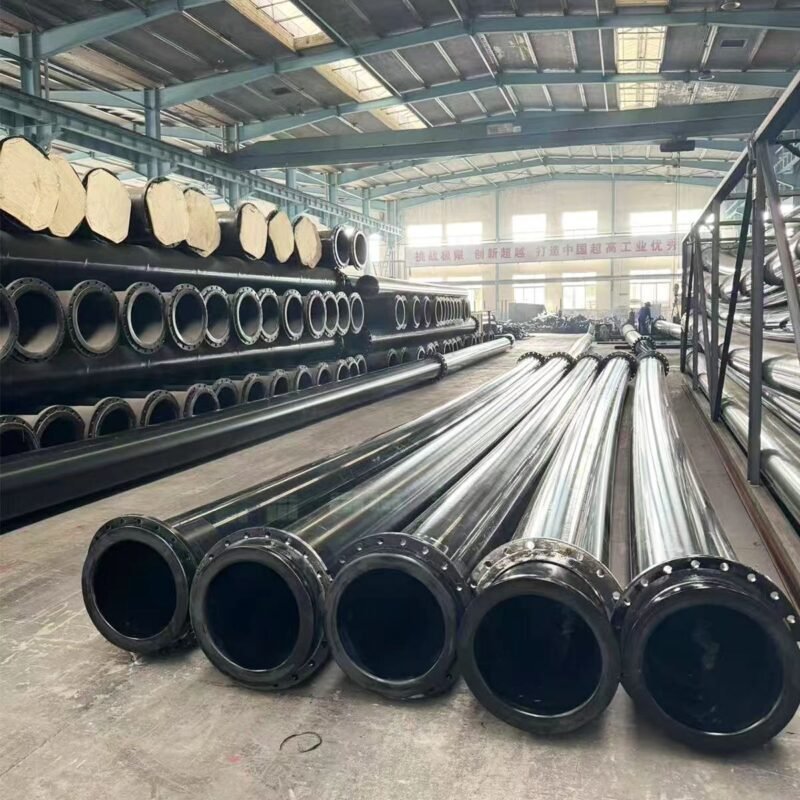
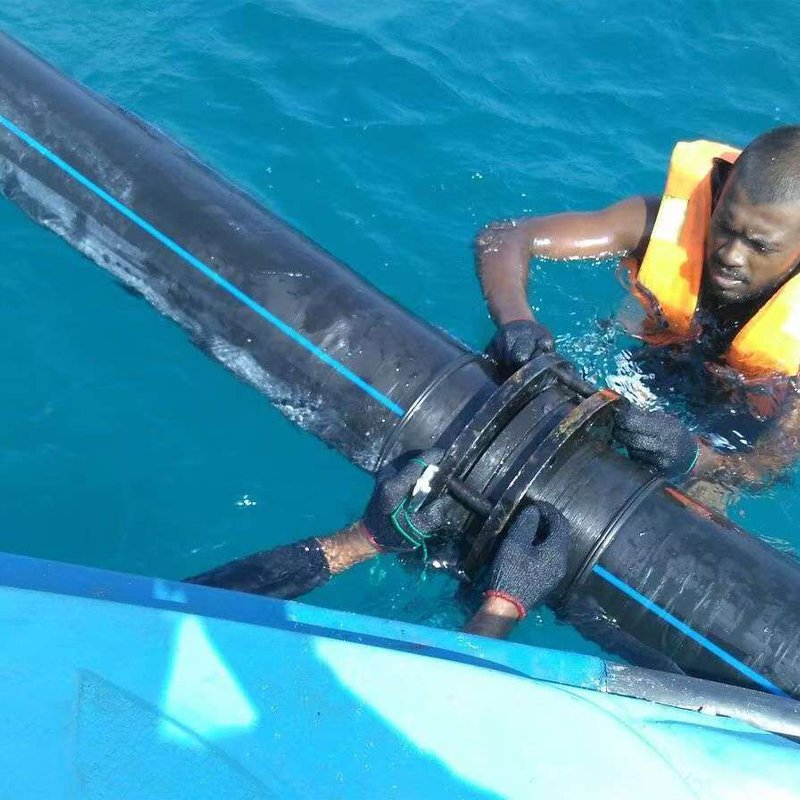
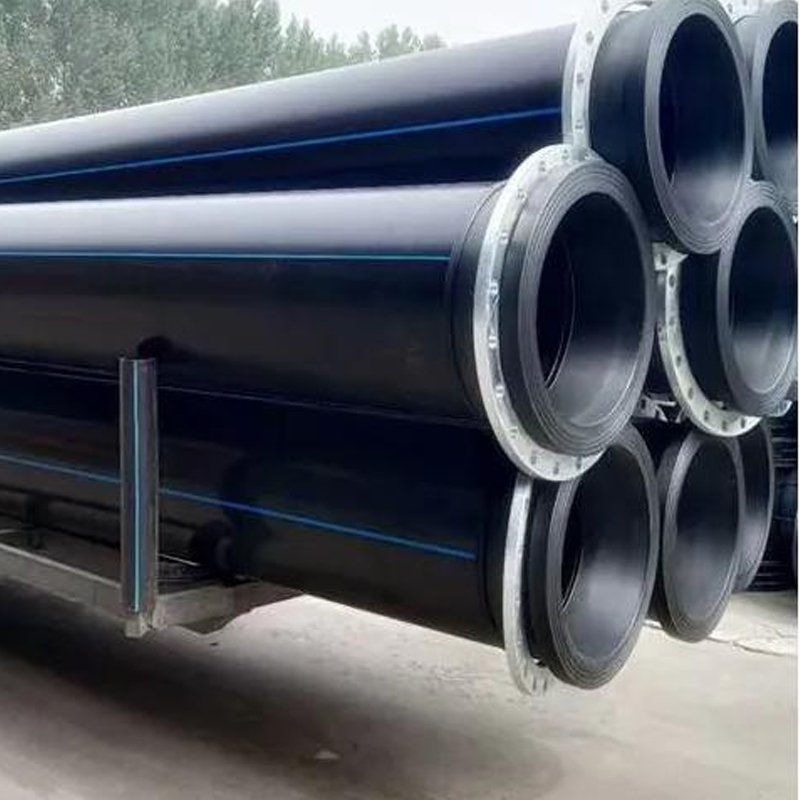
There is a relationship between the wall thickness and wear resistance of dredging rubber hoses, but it is not a simple direct proportionality of ‘thicker means more wear-resistant’. Their wear resistance is mainly determined by the rubber material, internal structural design, and reinforcement treatment of key parts. Simply increasing thickness may sometimes negatively affect other performance aspects.
The following table summarizes comparisons in two key dimensions to help with quick understanding:
Influence Factor Dimension
Core Principle
Actual Impact on Wear Resistance
Material and Structure (Fundamental Factor)
Resist wear through material hardness and overall structural design
Plays a decisive role. For example, using polyurethane (PU) as the inner layer, its wear resistance is 3-5 times that of natural rubber; locally thickening at critical parts such as bends can extend service life targetedly.
🔬 How to Systematically Improve Wear Resistance
In practical design and selection, the following points should be comprehensively considered to achieve optimal wear resistance:
Select dedicated wear-resistant materials: The inner lining of high-wear-resistant rubber hoses for dredging typically uses polyurethane (PU), modified nitrile rubber (HNBR/NBR), or natural rubber (NR). Among these, polyurethane has high hardness and is particularly suitable for conveying high-hardness particles such as quartz sand and iron ore powder.
Adopt composite reinforcement structure: Modern dredging rubber hoses have a typical multi-layer composite structure, with each layer serving its own function. For example, a double or quadruple layer of steel wire braid/wrap as the skeleton layer withstands pressure, preventing abnormal wear of the inner wall caused by pipe body deformation.
Strengthen key parts: The wear rate at pipe bends is much higher than that in straight sections. Advanced practices involve locally thickening the rubber lining on the inner side of bends, forming a transition zone where the thickness gradually thins from the thickest point to both sides, achieving equal-life design.
Integrate additional wear-resistant layers: For extremely harsh operating conditions, the industry has developed more advanced solutions. For example, the ‘full-metal armor rubber hose with inner metal lining’ compliant with the China Dredging Association standard, which incorporates a metal wear-resistant layer composed of multiple metal cones inside the rubber hose. The thickness can be set to 6mm, 8mm, 10mm, or more according to operational requirements.
💡 Selection and Usage Recommendations
In practical applications, it is necessary to balance wear resistance with other performance requirements, with specific suggestions as follows:
Clarify operating conditions: First analyze the particle hardness, size, concentration of the conveyed material, as well as working pressure, temperature, and whether corrosive media are present. For example, high-temperature furnace slag requires the use of heat-resistant nitrile rubber, while conveying oil-containing slurries needs to take into account its oil resistance.
Refer to authoritative standards: When selecting, refer to relevant industry standards such as the ‘T/CHIDA 305.5-2021 Full-Metal Armor Rubber Hose with Inner Lining’ issued by the China Dredging Association, which clearly specifies products for extreme wear scenarios.
Focus on comprehensive performance: While wear resistance is important, it is also necessary to take into account the hose’s flexibility, pressure-bearing capacity, fatigue resistance, and reliability of the joint. A well-designed wear-resistant rubber hose is the result of balancing multiple performance aspects.
If you want to know specific material selection schemes for rubber under particular operating conditions (such as conveying sea sand, river silt, or mine tailings), I can provide more detailed analysis.