Precautions for Construction of Self-Floatable Rubber Hose
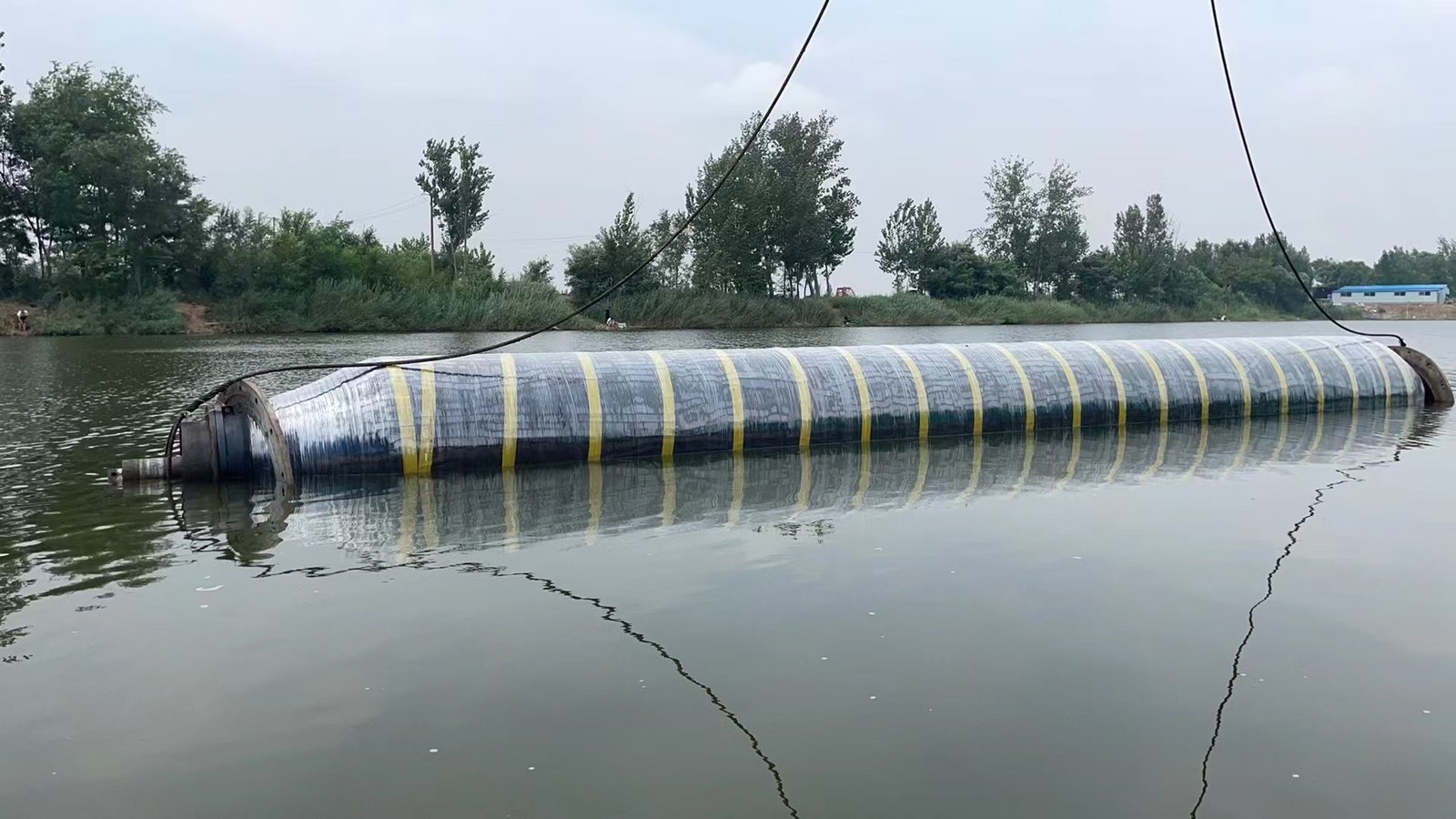
Self-floating rubber hoses are mainly used in dredging projects for conveying mud-water mixtures, and their construction quality is directly related to engineering safety and pipeline lifespan. The following table summarizes the key construction precautions to help you quickly grasp them:
Environmental and Medium Adaptation
The ambient temperature is typically -20℃ to +45℃. It is recommended that the density of the conveyed medium be between 1.0 g/cm³ and 2.3 g/cm³. Note that different standards may have special regulations or restrictions on the type of medium (such as gravel, coral reefs).
Pipe Installation and Connection
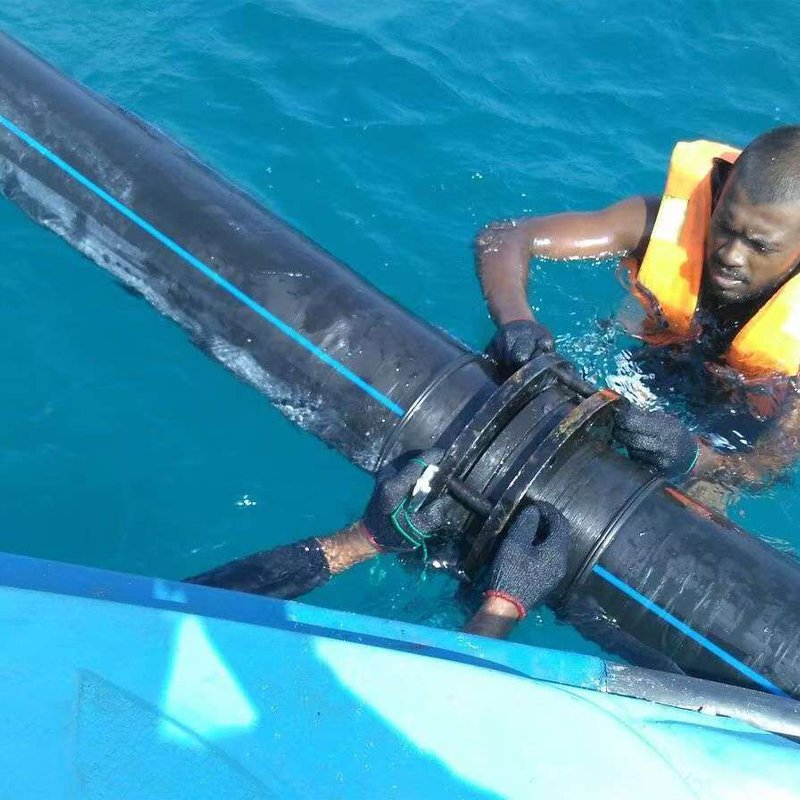
During installation, it must be in a natural state, and artificial distortion or forced stretching is prohibited. When using flange connection, the bolt shank should extend outward from the joint, and the bolts should be tightened repeatedly and evenly using the diagonal pressure method to prevent misalignment.
Support and Fixation
For high-level, suspended, or pump inlet and outlet pipes, brackets, hangers, or anchor supports must be installed for fixation -1-5. The load-bearing capacity of fixed supports or fixed hangers for pipes must be greater than the axial force -3-5. When necessary (such as for suspended use, near the pump outlet, or with frequent start-up and shutdown), anti-pull-off devices should be added.
Operation and Maintenance
A pressure test is required after installation or before reactivation after long-term disuse. After the pressure test, the connecting bolts should be tightened again . When in use, avoid high temperatures, ozone, oil, and acidic or alkaline environments . For pipes outdoors or exposed to sunlight and wind, a sunshade frame should be installed; exposure to direct sunlight, rain, and wind erosion is strictly prohibited. Painting or wrapping insulation materials on the joint surface is also strictly forbidden -1. Due to aging issues with rubber products, regular inspections and timely replacement are necessary.
💡 Detailed Construction Guidelines
The key points in the table are the foundation of safe construction. Here are some additional critical details to note:
• Precise selection is a prerequisite: It is essential to choose pipe materials that meet the corresponding national standards (such as GB/T 37221-2018 or transportation industry standard JT/T 1217-2018) based on the actual components of the medium being transported (e.g., whether it contains hard coral reefs or gravel). Different standards have clear definitions for applicable media.
• Pay attention to connection details: When using flange connections, ensure that the reinforcing rings (internal steel ropes) at both ends of the ball are fully seated in the flange grooves. This is crucial for preventing pull-off accidents when the pipeline is under pressure .
• Emphasize support and anti-pull-off measures: The weight of the pipeline itself and the axial forces during operation must be borne by an independent support system; rubber hose joints must not be used to bear this load . Anti-pull-off limit devices are important safety guarantees to prevent joint damage caused by unexpected pipeline displacement. They cannot be omitted at critical locations .
• Careful maintenance ensures longevity: After initial pressure testing or when reactivating after long-term disuse, bolts in rubber flexible couplings may loosen due to plastic deformation and must be retightened after repressurization . Rubber products naturally age over time; regular inspections can promptly identify potential hazards and ensure safety .
Hopefully, this information will help you carry out construction safely and smoothly. If you could specify the engineering environment and medium type, I might be able to provide more targeted analysis.