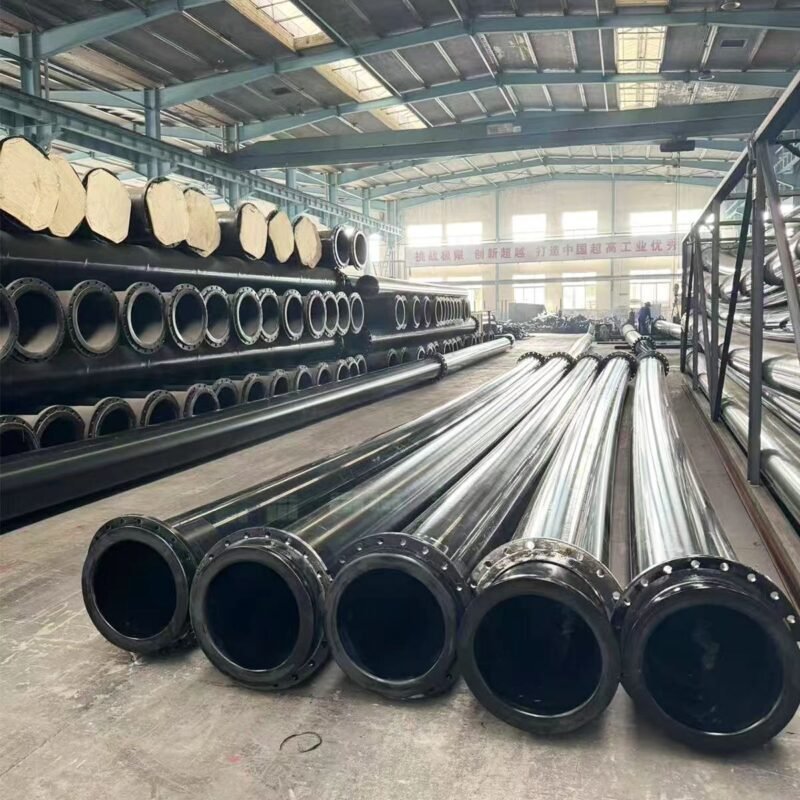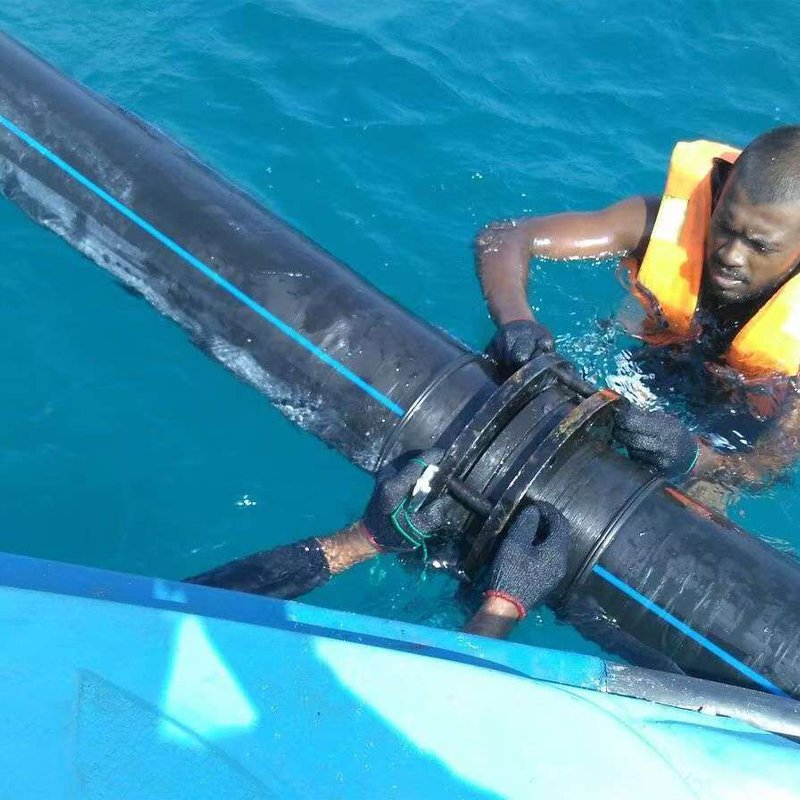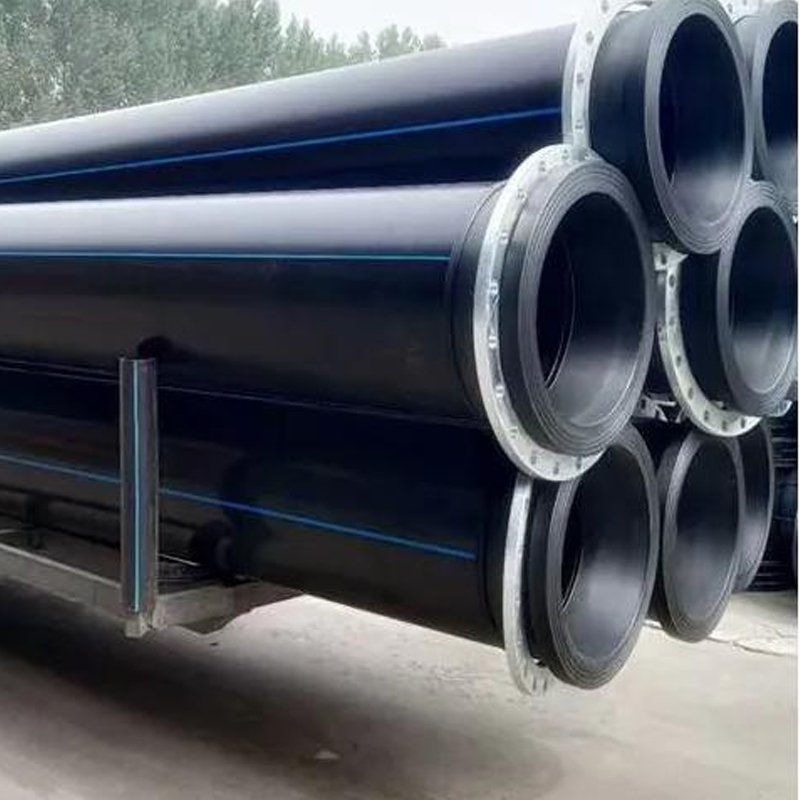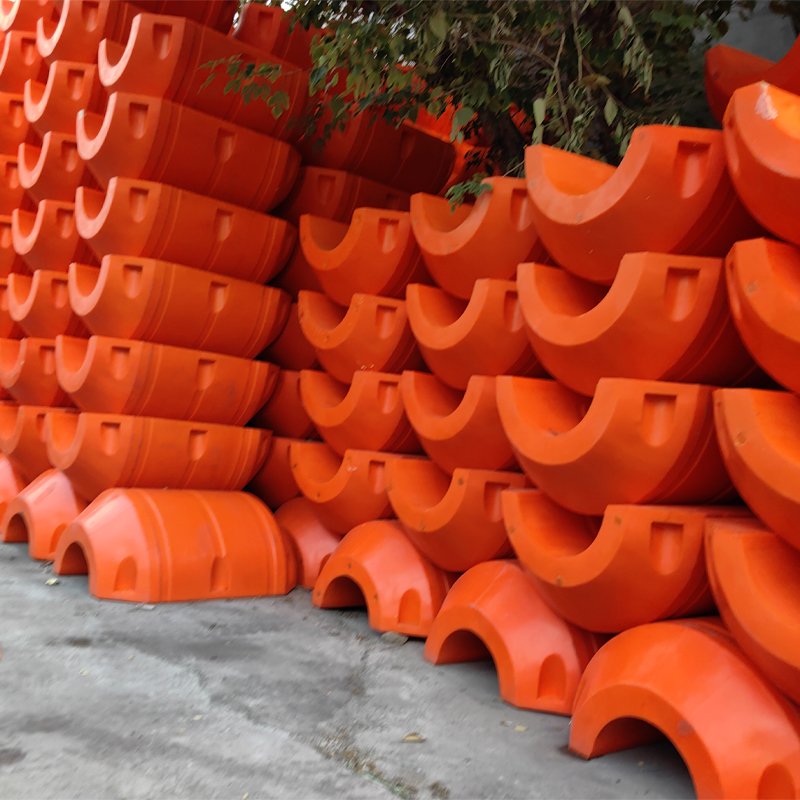
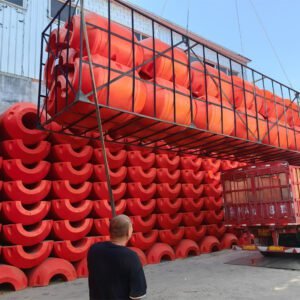
Polyethylene floats are common floating devices crafted from polyethylene material. This material boasts properties such as lightweight, corrosion resistance, and excellent plasticity, which accounts for its extensive application in oceans, lakes, water conservancy engineering, and other related fields.
Structure:Case: Constructed from polyethylene, it features buoyancy, corrosion resistance, UV resistance, and good flexibility.Filler: Utilizes polyurethane foaming material, which is integrally formed and exhibits non – absorbent characteristics.
Application:In the dredging industry, polyethylene floats are typically placed on ordinary pipelines like steel pipes or HDPE pipes. This placement ensures that the pipelines can stay afloat on the water’s surface.
Advantages and Limitations:Advantages:Economy: Its cost is lower compared to metal floating bodies.Maintenance – free: No anti – corrosion treatment is needed, thereby reducing long – term usage costs.Reliable Buoyancy: Thanks to the filled design with polyurethane foam inside, it can maintain buoyancy even if the shell gets damaged.Limitations:Lower Strength: When compared with metal floating bodies, its capacity to withstand high pressure and resist sharp impacts is relatively weaker.
Temperature Sensitivity: It tends to become brittle in low – temperature environments and soften in high – temperature ones. The general applicable temperature range is – 50℃ to 60℃.
Precautions for Selection and Installation:Buoyancy Requirement: Calculate the number and size of the required buoy bodies based on the load conditions.
Connection Method: When using bolted connections, ensure the stability of the structure.Safety Redundancy: Reserve at least 20% additional buoyancy to avoid overloading.
Maintenance and Lifespan:Routine Inspection: It is advisable to check the sealing performance of the floating body and the presence of surface cracks annually.Cleaning and Maintenance: Remove surface attachments promptly to maintain normal buoyancy.Service Life: In mild environments, high – quality polyethylene floats can have a lifespan of 10 to 15 years.