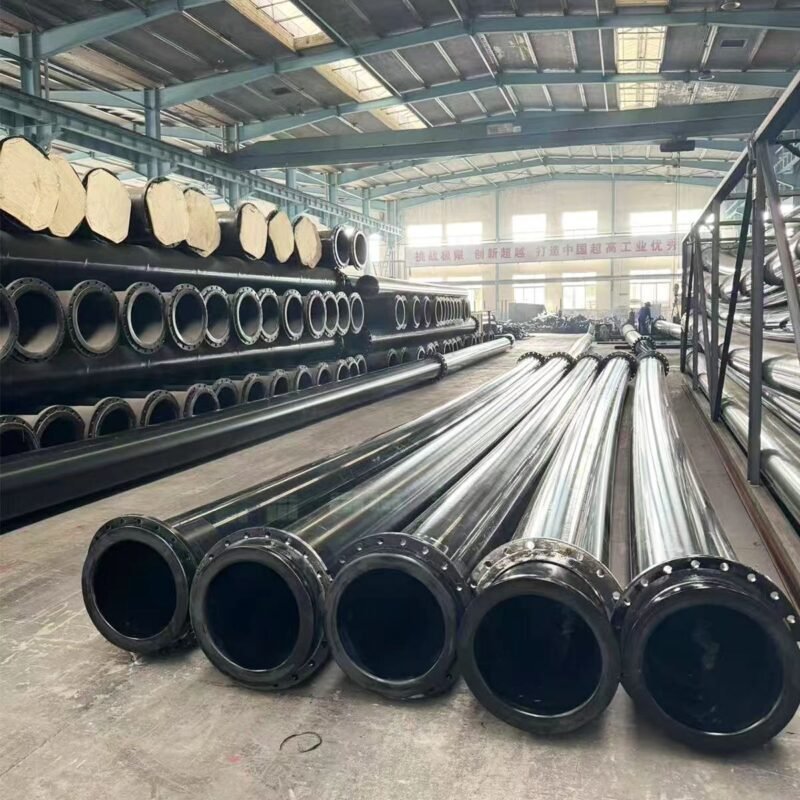
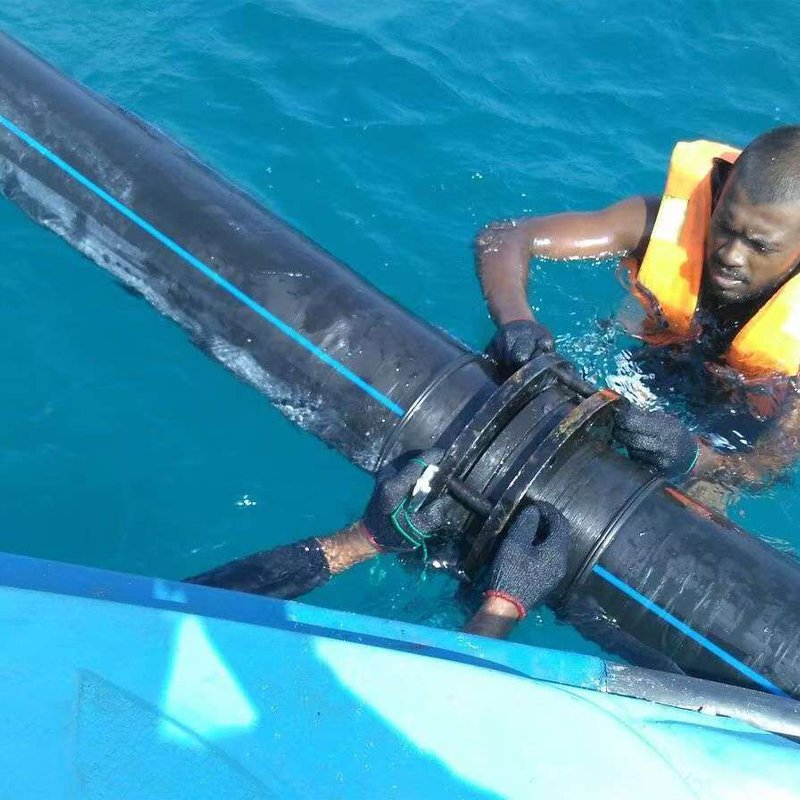
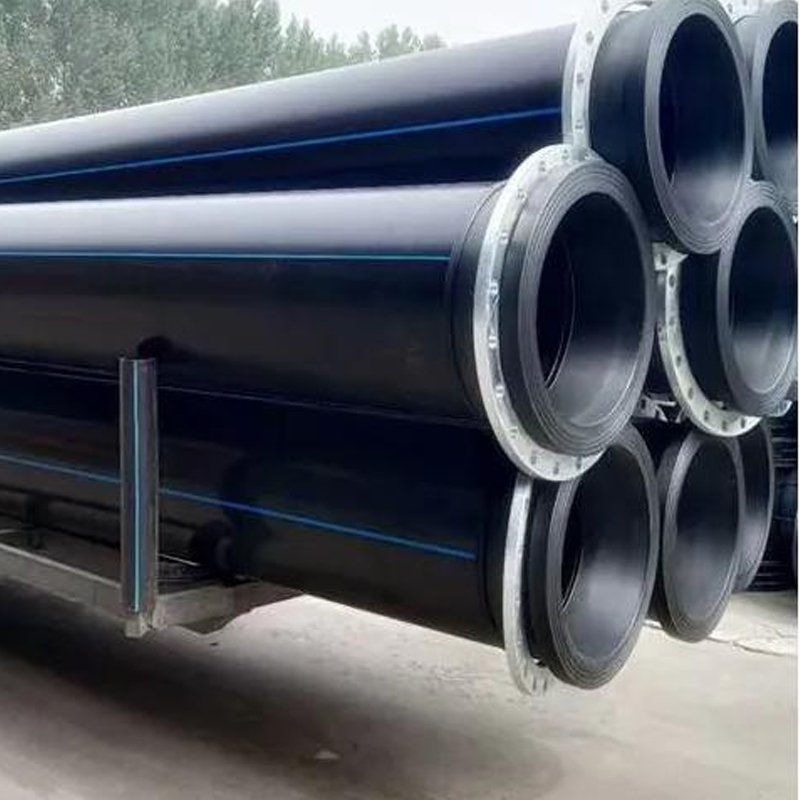
Maintenance and care of steel flange sludge suction pipes
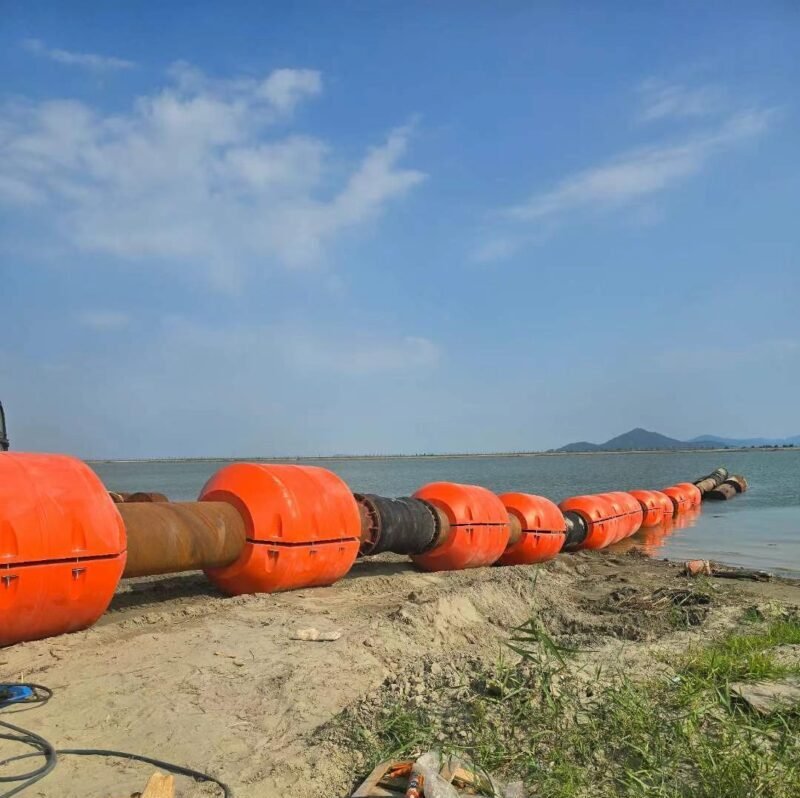
The maintenance and upkeep of steel flange suction pipes is a very important task, directly affecting the efficiency, cost, and safety of sewage treatment, river dredging, and other projects. Below is a detailed and systematic maintenance and upkeep guide.
I. Daily Operation and Inspection (before and after each use)
This is the foundation of preventive maintenance and can help identify potential issues promptly.
1. Pre-use inspection:
– Visual inspection: Check the pipe body, flange disc, and weld seams for obvious dents, cracks, severe rust, or perforations.
– Flange sealing surface: Inspect the flange sealing surface for smoothness, checking for deep grooves, scratches, or rust pits. Ensure the gasket is intact, not aged, and not reused, and correctly installed.
– Bolts and nuts: Check if all connecting bolts are present, free from rust, stripped threads, and ensure they are evenly pre-tightened.
– Internal condition: If possible, use a flashlight to check the interior of the pipe for any obstructions or hard substances attached.
2. Monitoring during use:
– Listen for unusual sounds: Pay attention to any abnormal metallic friction sounds, impact sounds, or hissing leaks, which may indicate internal wear or leaks at connections.
– Observe pressure gauge: Monitor the pumping pressure. An abnormally high pressure may mean the pipe is blocked internally; an abnormally low pressure may indicate a pipe leak or a decrease in pump efficiency.
– Check for leaks: Inspect all flange connections, valves, etc., for any signs of slurry or water leakage.
3. Post-use cleaning:
– Thorough rinse: After completing the operation, thoroughly flush the interior of the pipe with clean water until clear water flows out. This is the most critical step, preventing sedimentation and hardening of mud inside the pipe, which could make the next start-up difficult or exacerbate internal corrosion.
– External cleaning: Rinse the exterior of the pipe to remove adhering slurry, chemicals, or other corrosive substances.
Regular maintenance and upkeep (weekly, monthly, or based on usage frequency) should be planned according to usage intensity, with more frequent checks for higher usage.
1. Cleaning and descaling: Perform thorough internal cleaning regularly, using mechanical tools like pipe brushes to remove stubborn scale when necessary.
2. Wall thickness measurement: For critical areas such as bends, flanges, and places frequently in contact with supports, use an ultrasonic thickness gauge to measure wall thickness. Record the data and compare it with the original thickness to assess wear and predict remaining life.
3. Bolt tightening and replacement: Regularly check and retighten flange bolts (recommended in a cold state) due to thermal expansion and vibration causing loosening. Replace all severely corroded or damaged bolts, nuts, and gaskets.
4. Corrosion protection:
◦ External corrosion protection: Check the condition of external coatings or galvanized layers. Remove rust (e.g., by sandblasting, grinding), then apply zinc-rich primer and suitable high-performance topcoat (such as epoxy asphalt paint, polyurethane paint)
. ◦ Internal corrosion protection: Internal corrosion is more challenging. Besides regular cleaning, if the internal coating is severely damaged, professional companies should inspect and recoat the inner walls.
5. Storage management:
◦ Clean and dry: After flushing the pipes clean, store them in a dry, well-ventilated area to avoid water accumulation. ◦ Proper support: When storing long-term, use supports; avoid stacking too many layers to prevent lower pipes from deforming. Flange faces should be offset to avoid damaging the sealing surface.
◦ End protection: Seal both ends of the pipes with blind flanges or plastic sheets to prevent debris and moisture from entering.
Common faults and handling: Fault phenomena Possible causes Handling methods Flange connection leakage
1. Loose or unevenly tightened bolts
2. Aging, damaged, or incorrect gasket
3. Defects on flange sealing surface (rust pits, scratches)
1. Evenly tighten bolts (in diagonal order)
2. Replace new gasket
3. Repair and grind the sealing surface, replace the flange section if severe Pipeline vibration or abnormal noise
1. Internal blockage causing uneven flow rate
2. Pump cavitation or vibration transmission
3. Loose or fallen external support
1. Shut down and flush to remove blockage
2. Check pump operating conditions
3. Inspect and reinforce pipeline supports Pipe wall wear and perforation
1. Long-term erosion by internal abrasives (sand, gravel)
2. External mechanical impact or friction
3. Thinning of wall due to corrosion
1. Measure wall thickness, replace the section of pipe if severe
2. Weld repair the perforated area (if allowed)
3. Strengthen preventive wall thickness measurement Severe scaling inside
1. Not thoroughly flushed after use
2. Medium being transported tends to scale
1. Strengthen flushing system
2. Use mechanical or chemical methods to remove scale
Safety Precautions:
– Pressure Safety: Before any maintenance, ensure the system is fully depressurized and reliably isolated from the pump source (close valves and lockout/tagout).
– Personal Safety: When handling and disassembling heavy steel pipes, use appropriate lifting equipment, and ensure no personnel stand under the pipes. When performing welding or grinding operations, wear personal protective equipment (PPE) such as safety goggles, gloves, and safety shoes.
– Confined Spaces: If entering large pipes for internal inspection, follow confined space work procedures, ensure ventilation and gas detection, and have a dedicated supervisor.
Summary: The maintenance of steel flange sludge suction pipes focuses on ‘prevention first, prevention and treatment combined’.
– ‘Rinsing after use’ is the most cost-effective maintenance.
– Regular ‘check-ups’ (appearance, wall thickness, connections) can identify potential issues early.
– Proper storage can extend its service life.
– Address problems promptly and thoroughly to prevent small issues from becoming major failures.
Establish detailed maintenance records, documenting data from each inspection, repair, and measurement, which helps better understand the pipe’s health status and develop more scientific replacement and maintenance plans.