Maintenance and Care Guide for End Dredging Rubber Hoses

End Suction Rubber Hoses (also commonly referred to as Slurry Pipes or Mud Suction Pipes) are critical equipment in dredging projects. They operate in harsh environments and are subjected to multiple challenges such as wear, pressure, corrosion, and bending. Therefore, scientific and regular maintenance and upkeep are crucial, directly affecting their service life, project efficiency, and operational safety. Below is a maintenance and upkeep guide for end suction rubber hoses, divided into three parts: Daily Operation Standards, Regular Inspection and Maintenance, and Storage Management.
I. Daily Operation Standards (Key to Preventive Maintenance)
Correct operation is the first step to extending the hose’s lifespan.
1. Proper Connection and Fixation:
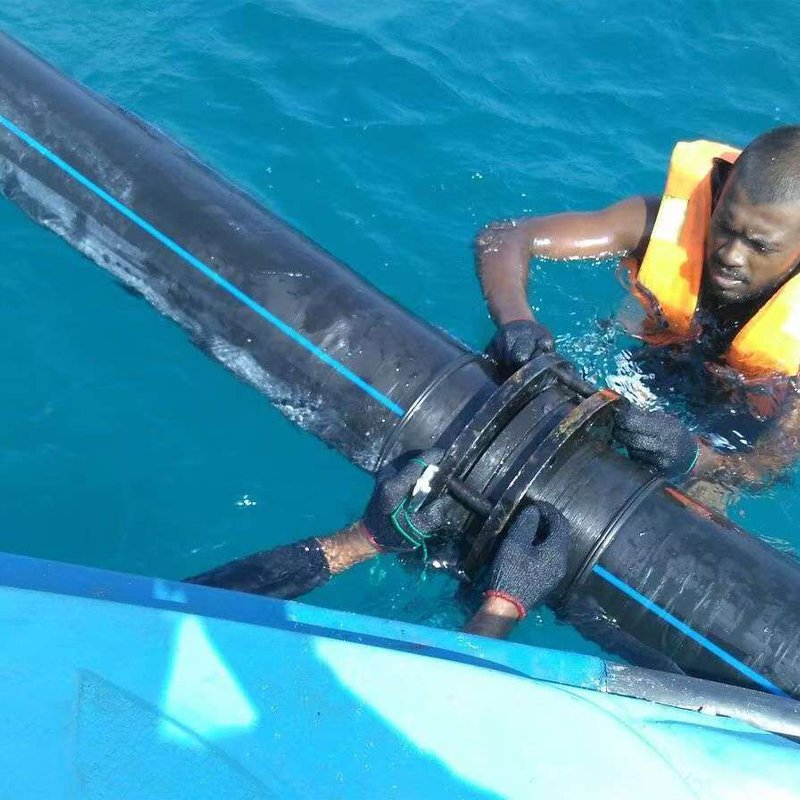
– Ensure that connection components such as flanges and clamps are matched and securely fastened, but avoid over-tightening which may cause flange deformation or localized damage to the hose.
– The hose should remain in a natural state within the system, avoiding twisting, excessive bending, or stretching. Sufficient slack should be provided during installation to accommodate movement and pressure changes during operation.
– Use appropriate supports, such as floats or brackets, to prevent direct friction between the hose and the ship’s body, piers, or other hard objects.
2. Smooth Start-up, Shutdown, and Operation:
– When starting the pump, gradually increase the flow rate and pressure to avoid sudden high-pressure impacts that can cause a ‘water hammer’ effect on the hose.
– When shutting down, also gradually reduce the flow rate to prevent backflow of the medium inside the pipe or vacuum-induced collapse of the hose.
3. Attention to Working Medium:
– Understand the characteristics of the medium being transported (such as sand particle size, acidity/alkalinity, presence of oils, etc.). For media with strong abrasiveness, wear conditions should be monitored more closely.
– Try to avoid transporting large, sharp objects beyond the design scope to prevent scratching or puncturing the liner.
4. Avoid Improper External Forces:
– During operations, take care to prevent equipment such as excavators and ships from squeezing or colliding with the hose.
– When dragging the hose, use designated lifting points and forbiden directly dragging the hose body.
II. Regular Inspection and Maintenance
Establish a regular inspection system to promptly identify and address issues.
Inspection Frequency:
• Before/After Each Operation: Conduct a quick visual inspection.
• Weekly/Every 50 Working Hours: Perform a systematic detailed inspection.
• Quarterly/After Major Projects: Carry out a comprehensive inspection and necessary maintenance.
Inspection and Maintenance Content:
1. Visual Inspection:
◦ Wear: Focus on inspecting wear at the tube ends, bent sections, and areas in contact with equipment. Check if the rubber layer has thinned and if the cord layer is exposed. Ends are typically the fastest-wearing area.
◦ Cuts, Cracks, and Bulges: Carefully check the tube surface for cuts, cracks, bulges, or localized protrusions. Bulges usually indicate damage to the skeleton layer (cords or steel wires) and must be immediately discontinued.
◦ Aging: Inspect for aging phenomena such as cracking, powdering, hardening, or sticking of the rubber caused by sunlight, ozone, etc.
2. Internal Inspection (If Possible):
◦ With the machine stopped and safety ensured, use a strong flashlight to inspect the inner wall of the pipe.
◦ Observe the wear of the lining, check for delamination of the rubber layer, abnormal indentations, or scratches.
3. Fitting Inspection:
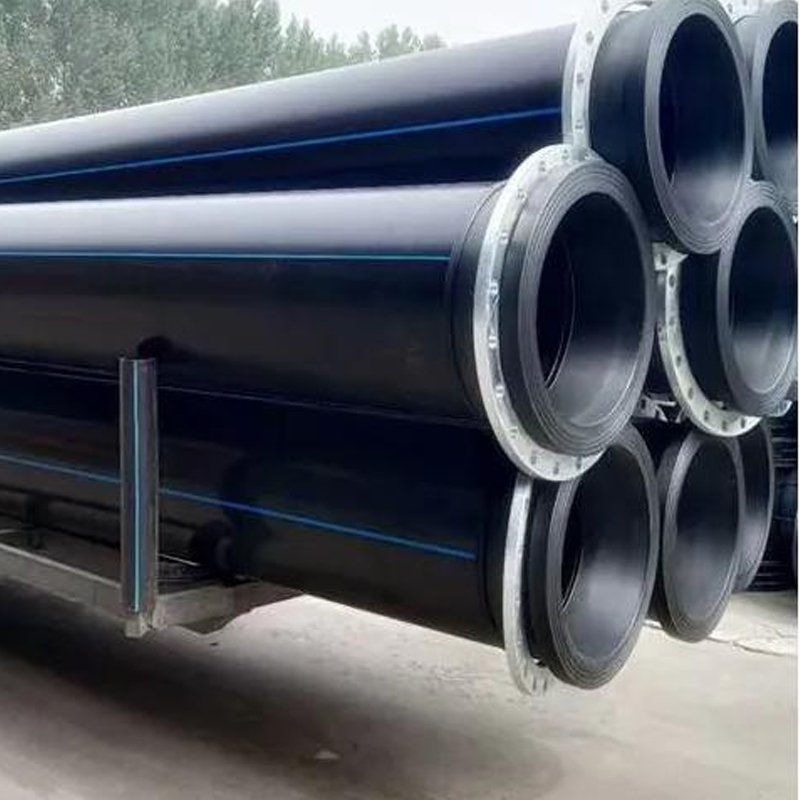
◦ Check flanges and clamps for rust, cracks, or deformation.
◦ Check bolts for looseness or rust, and ensure gaskets are intact and elastic.
4. Cleaning:
◦ After each use, thoroughly rinse the interior of the pipe with clean water to remove residual silt, debris, preventing internal corrosion and blockage.
◦ Clean the exterior to remove attached aquatic organisms, salt deposits, and dirt.
5. Repair:
◦ Minor Damage: For small surface scratches or wear, use specialized rubber repair agents to fill the damage and prevent further expansion.
◦ End Repair: If the ends are severely worn but other parts of the tube are still in good condition, consider cutting off the worn section and reattaching the flange. This is an economical and effective way to extend the overall lifespan.
◦ Major Damage: If bulges, large-scale exposure of the cord layer, or penetrating damage occur, continued use is strictly prohibited. Professional repair or scrapping and replacement must be carried out.
III. Storage Management
Proper storage can effectively slow down rubber hose aging and ensure it is in good condition for the next use.
1. Cleaning and Drying: Thoroughly clean the inside and outside and allow them to dry completely before storage to prevent internal mold and external corrosion.
2. Storage Environment:
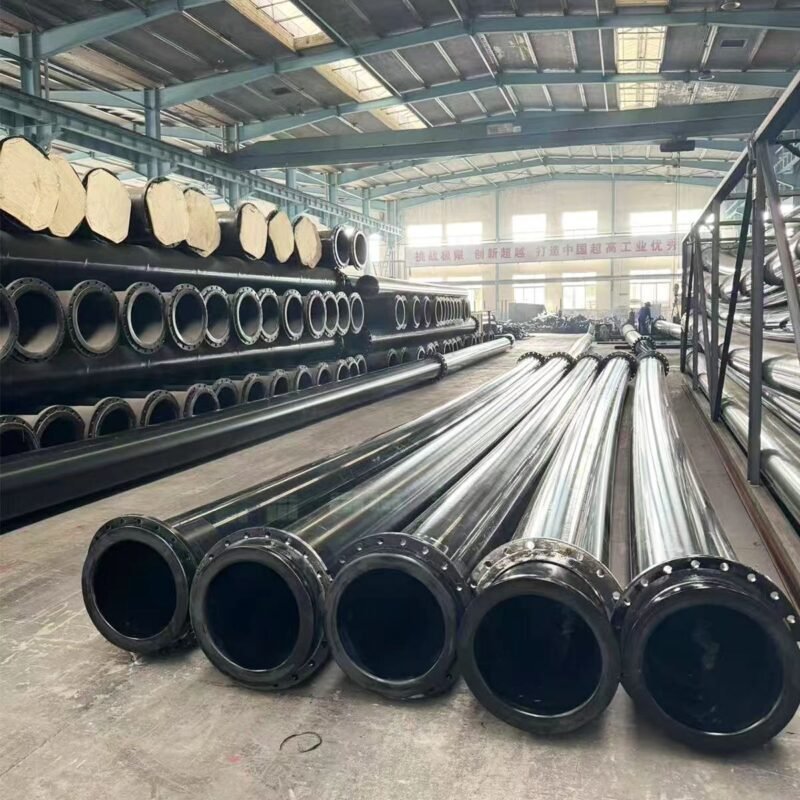
◦ Store in a cool, dry, and well-ventilated indoor warehouse, avoiding direct sunlight, rain, and extreme temperatures.
◦ Keep away from heat sources, ozone sources (such as motors, transformers), oils, chemicals, and sharp objects.
3. Storage Posture:
◦ Optimal Method: Place flat and naturally on a level rack.
◦ Prohibited: Long-term storage in bent, twisted, or compressed states, as this can cause permanent deformation of the rubber hose and fatigue of the skeleton layer.
◦ If stacking is necessary, the number of layers should not be too high to prevent the lower hoses from being flattened.
4. Regular Turning: For rubber hoses stored for a long time (over 3 months), it is recommended to turn them over once per quarter to change their support points and avoid prolonged localized pressure.
Safety Warning
• ‘Pipe Management’ Hazard: A damaged suction pipe used while injured is like a ‘time bomb’; once it ruptures under pressure, it may cause personal injury and equipment damage.
• Establish Records: Create maintenance records for each rubber hose, documenting its usage time, repair history, and damage conditions to facilitate management and life prediction.
Summary:
The core of maintaining and servicing the end suction rubber hoses lies in ‘prevention first, combining prevention and control’. Through standardized operations, frequent inspections, timely repairs, and scientific storage, their performance can be maximized, service life significantly extended, ultimately reducing your overall operating costs and ensuring the safe and smooth progress of the project.