Large-diameter suction and discharge mud rubber hose: Advantages and Disadvantages
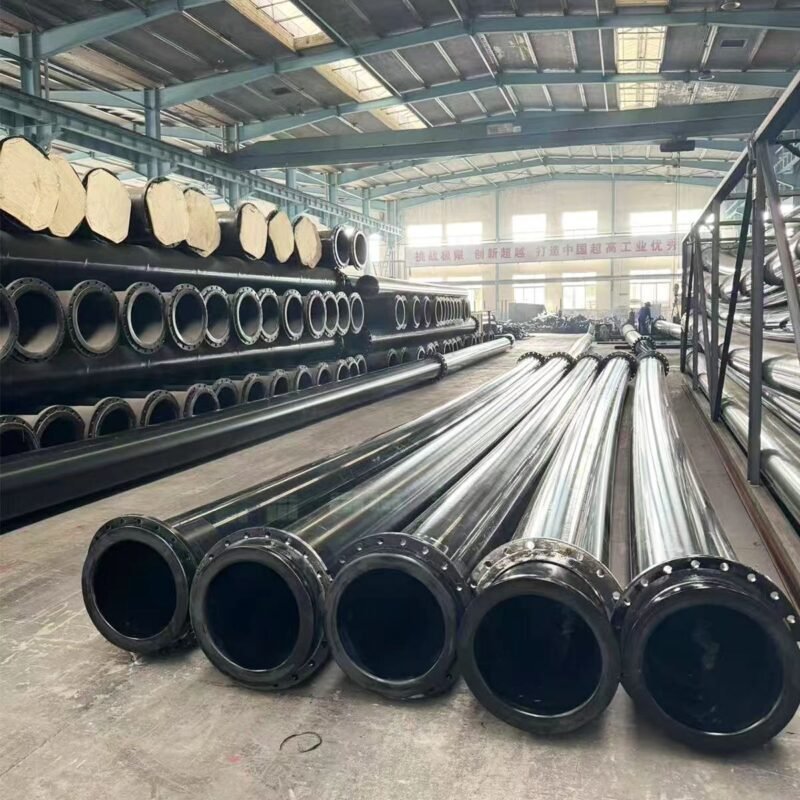
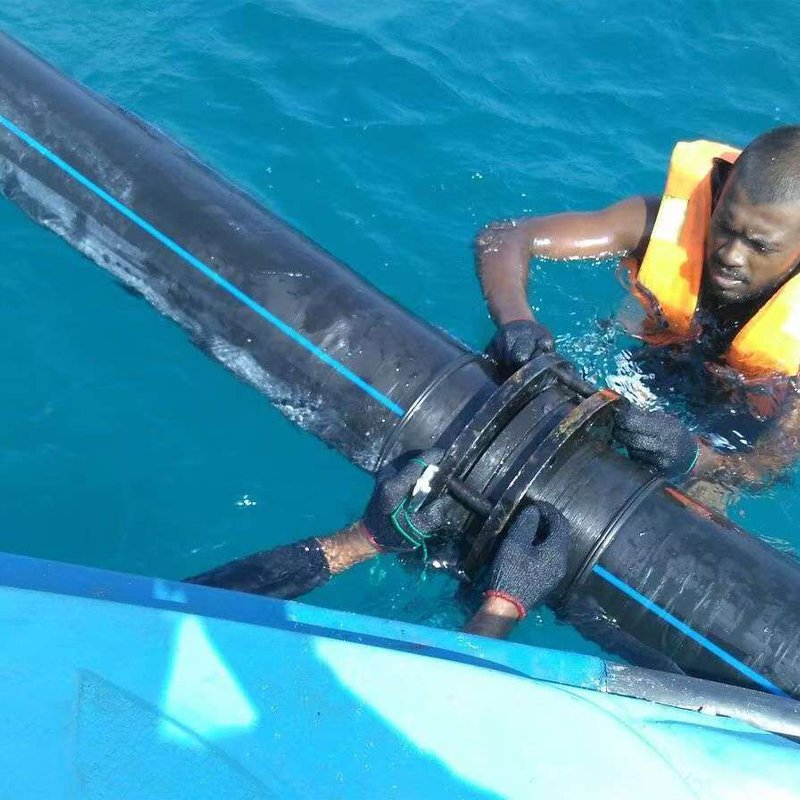
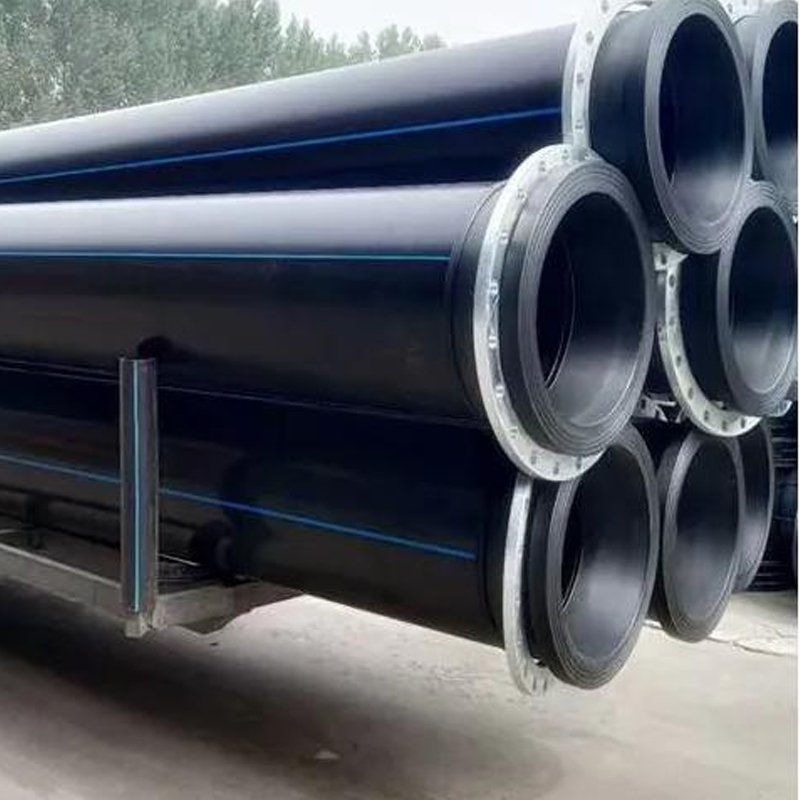
Large-diameter suction and discharge rubber hoses are equipment commonly used in dredging projects (such as port, river, and lake sediment cleaning) and slurry transportation. To help you quickly understand, the main advantages and disadvantages are summarized in the table below:
Feature Dimension Advantages (Advantages) Disadvantages (Disadvantages)
Durability and Wear Resistance Excellent wear resistance performance , wear resistance is a key indicator . There is an aging risk, and performance may decline with long-term outdoor use
Environmental Adaptability Good corrosion resistance (resistance to seawater, weak acidic and alkaline erosion) . Compared with steel pipes, impact resistance is usually weaker.
Flexibility and Installation Good flexibility , flexible installation and use . The flexible structure may have deformation risk under extremely high negative pressure (suction).
Mechanical Properties High tensile strength , high pipe body strength. Internal friction resistance may be larger than that of steel pipes .
Economy and Maintenance Long service life, less maintenance during construction period . Initial procurement cost is usually higher than that of ordinary steel pipes .
Connection Sealing Emphasis is placed on sealing in design, such as expansion joint connection. Sealing leakage may occur at the connection due to fatigue, improper installation, etc. .
How to Select and Use
After understanding the above advantages and disadvantages, when selecting and using large-diameter suction and discharge slurry rubber hoses, you can focus on the following key points:
– Clarify Core Index Requirements: Based on the abrasiveness of the conveying medium, working pressure, and usage environment, confirm with the supplier the critical parameters of the hose such as wear resistance coefficient, working pressure, and burst pressure. For example, the flared rubber hoses compatible with the ‘Beaver’ series of large dredgers have superior pressure-resistant structures and wear-resistant layer designs compared to general models, meeting more stringent operational requirements.
– Standardize Installation and Regular Maintenance: Improper installation is the main cause of seal leakage and fatigue fracture. Strictly follow installation specifications for operation, and conduct comprehensive inspections of the hose regularly, paying particular attention to stress-concentrated areas such as bent sections and connection joints.
– Reasonably Compare with Other Material Hoses/Pipes: Rubber hoses are not the only choice; they need to be reasonably selected based on operational requirements. In scenarios requiring extremely high wear resistance and aging resistance, polyurethane hoses perform better but are relatively more expensive; in low-pressure applications with lower wear requirements, polyolefin hoses are a more economical choice; although traditional steel pipes have drawbacks such as being heavy and prone to corrosion, they still have significant advantages in withstanding high pressure and strong impacts.
If you can provide specific application projects/environments (such as inland river dredging, deep-sea mining, shield construction, etc.) or detailed parameters of the main conveying medium (such as sand and gravel content ratio, whether containing chemically corrosive substances, etc.), I can provide you with more targeted selection analysis recommendations.