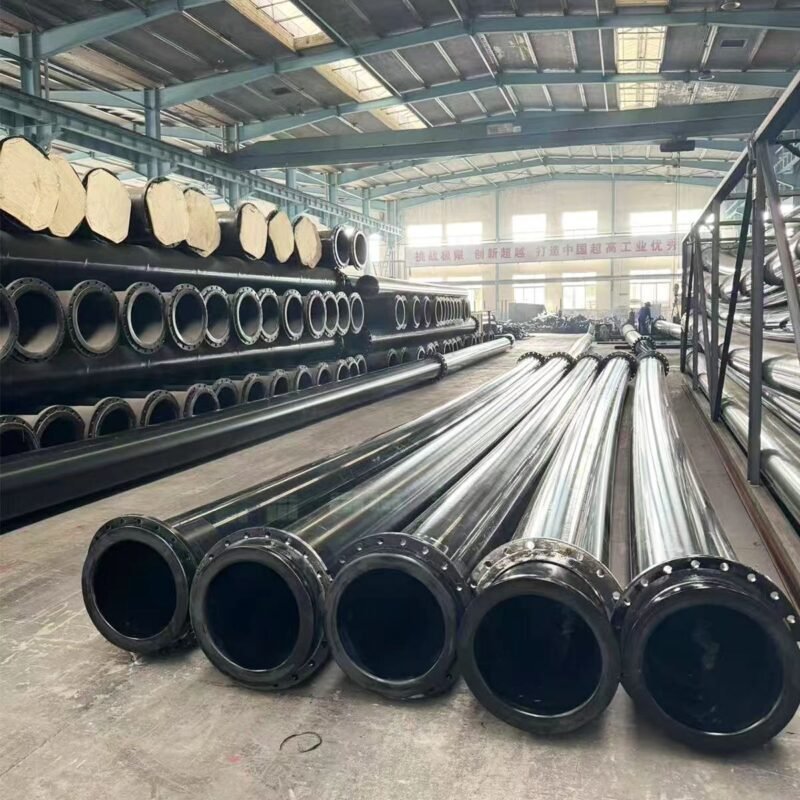
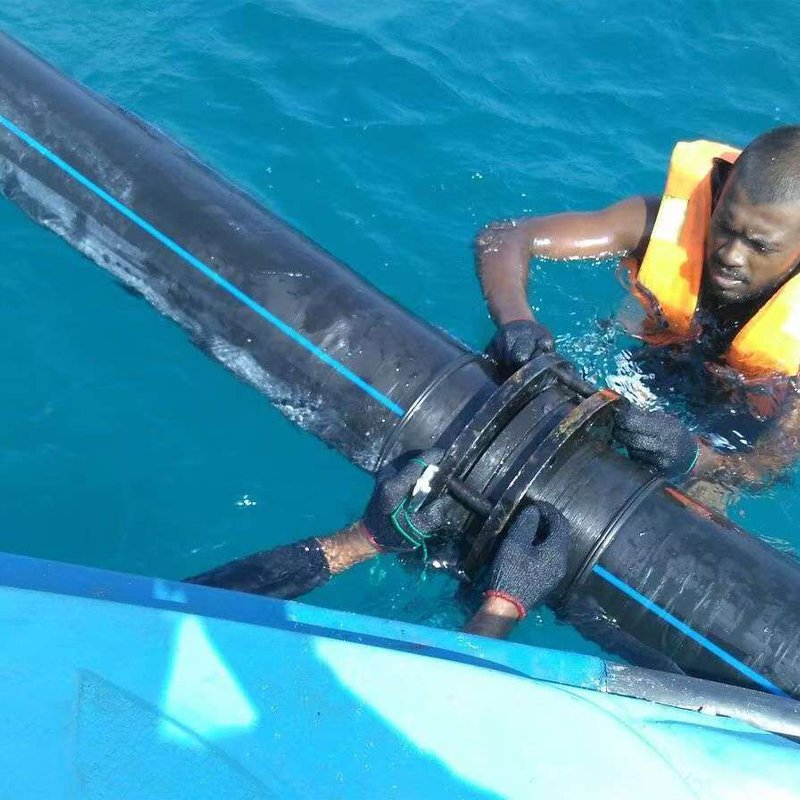
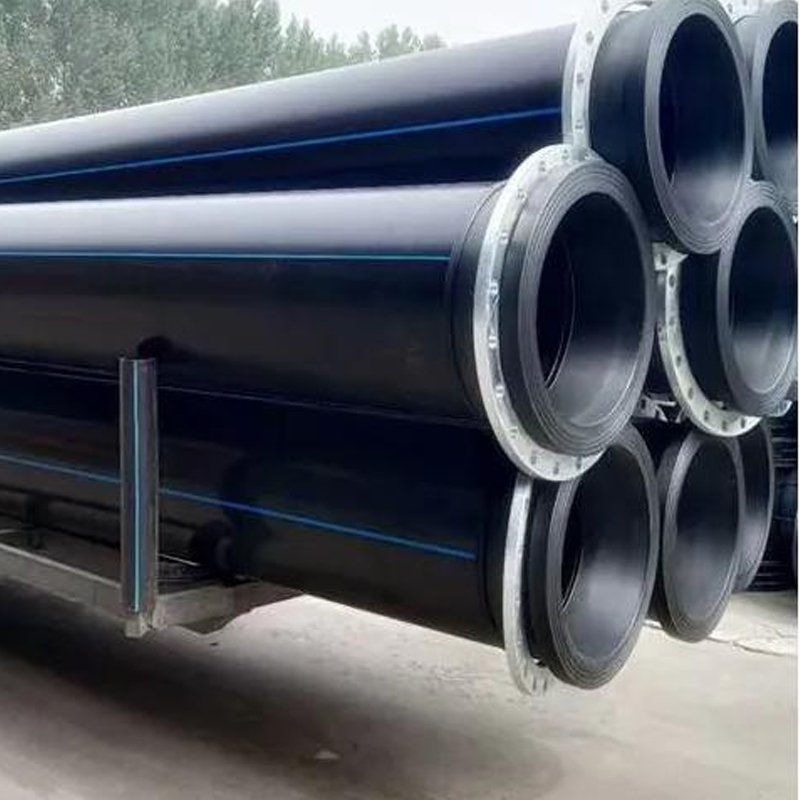
Introduction to Dredging Suction and Discharge Dual-Use Rubber Hoses
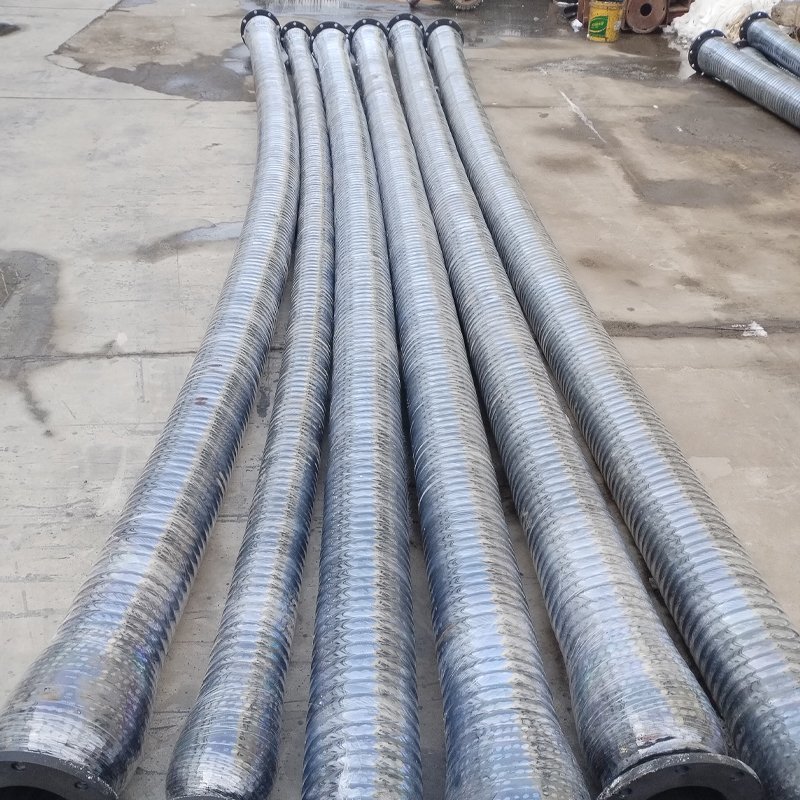
Dredging Suction-Discharge Dual-Use Rubber Hoses are specialized pipelines designed for dredging equipment such as dredgers and sludge cleaners. They possess comprehensive performance characteristics including wear resistance, pressure resistance, flexibility, and corrosion resistance, making them suitable for complex dredging operation environments. To help you quickly understand their core features, key information is summarized below:
### Feature Dimensions
#### Specific Manifestations and Descriptions
#### Core Structural Features
Multi-layer composite structure: Composed of an inner rubber layer (abrasion-resistant rubber), a reinforcement layer (steel wire/fabric), and an outer rubber layer (weather-resistant rubber). **Large-diameter design**: The nominal inner diameter typically ranges from 100mm to 1300mm.
Key Performance Characteristics
Exceptional abrasion resistance: The lining uses high-abrasion natural/synthetic rubber to withstand long-term erosion by mud, sand, and gravel.
**High pressure and vacuum resistance**: The reinforcement layer ensures the hose can withstand positive pressure during material transport and negative pressure during suction, enabling dual suction-discharge functionality.
**Excellent flexibility and anti-flexibility**: The operating temperature range is -20°C to +40°C (some products cover a wider range), adapting to scenarios with water surface fluctuations and ship displacement.
**Superior environmental resistance**: The outer rubber layer resists seawater corrosion, ultraviolet aging (weather resistance), and oil contamination.
**Easy installation and safe reliability**: Uses flange or expansion joint connections, equipped with safety couplings to ensure secure connections while allowing a certain degree of angular deviation.
📋 Product Classification and Application Scenarios
According to national standards, dredging rubber hoses are mainly divided into two types to adapt to different operation scenarios:
– Type I (Floating Type): Contains buoyancy materials, used only for slurry transport and can float on the water surface.
– Type II (Non-floating Type): Combines transport and suction (attraction) functions, i.e., the commonly referred \”suction-discharge dual-use\” hose, which can be deployed underwater or onshore according to operational needs.
These hoses are widely used in major engineering scenarios such as river, lake, and sea channel dredging, port construction, land reclamation, and seabed mining.
💡 Selection and Precautions
When selecting, it is recommended to focus on the following points:
1. Clarify operating conditions: Confirm whether the operational requirement is only transport or suction-discharge dual-use to determine the selection of Type I or Type II; simultaneously, specify key operating condition information such as medium parameters (mud sand specific gravity, presence of corrosive components), working pressure, and environmental temperature.
2. Pay attention to quality standards: Prioritize products that meet the national standard \”HG/T 2490-2023\”. This standard has replaced the 2011 version and specifies indicators such as hose type, category, grade, and dimensions.
3. Examine manufacturer qualifications: Prioritize manufacturers with membership in relevant industry associations (such as the China Dredging Association) and mature engineering application cases. Products from such manufacturers have been verified by large national projects, offering greater reliability.
🔍 How to Proceed Next
If you need to screen suitable suppliers or specific product models, you can refer to the following methods:
– Precise Keyword Search: Use keywords such as ‘large-diameter suction and discharge mud rubber hose’, ‘Type II dredging rubber hose’, ‘flange-type mud discharge rubber hose’, ‘expanding-end mud discharge rubber hose’, etc.
– Visit Industry Platforms: Query on B2B e-commerce platforms like Alibaba or professional industrial product catalog platforms (such as NauticExpo). These platforms typically provide detailed product parameters and supplier information.
– Contact Manufacturers Directly: Proactively connect with manufacturers through their official websites. Provide specific operating condition parameters (such as diameter, working pressure, required length, connection method, etc.) to obtain professional product recommendations and quotation plans.
If you can inform me of the specific application scenario (such as river channel dredging, wharf construction) and key parameters (such as approximate pipe diameter, working pressure), I can provide you with more targeted information support.