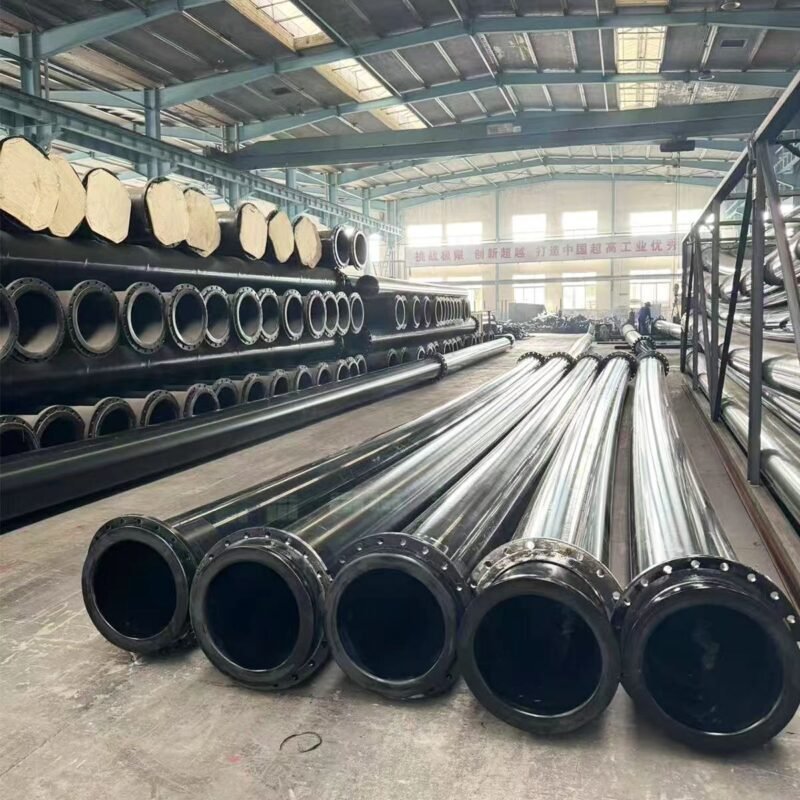
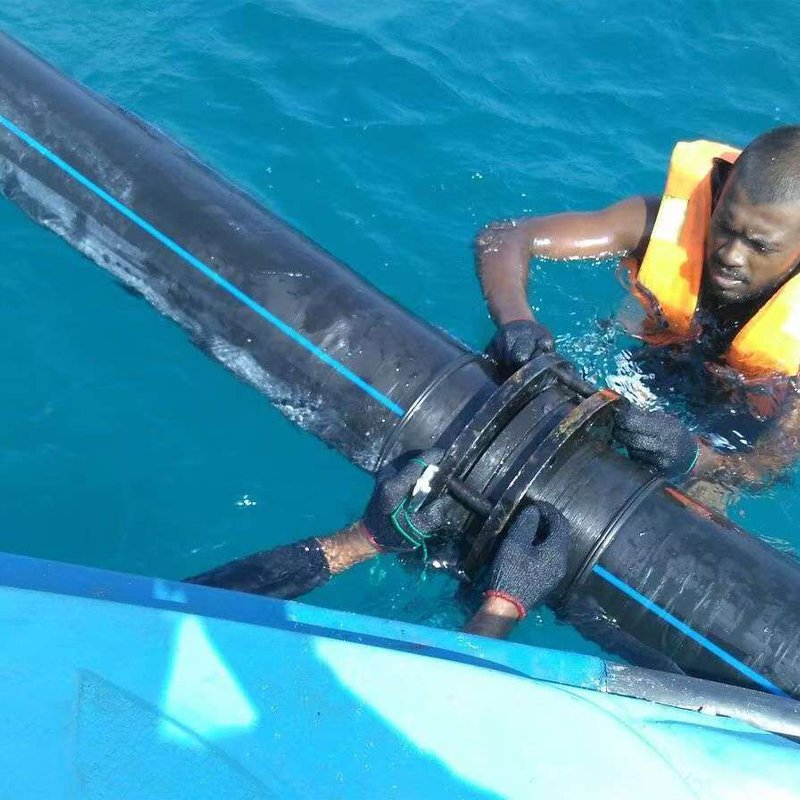
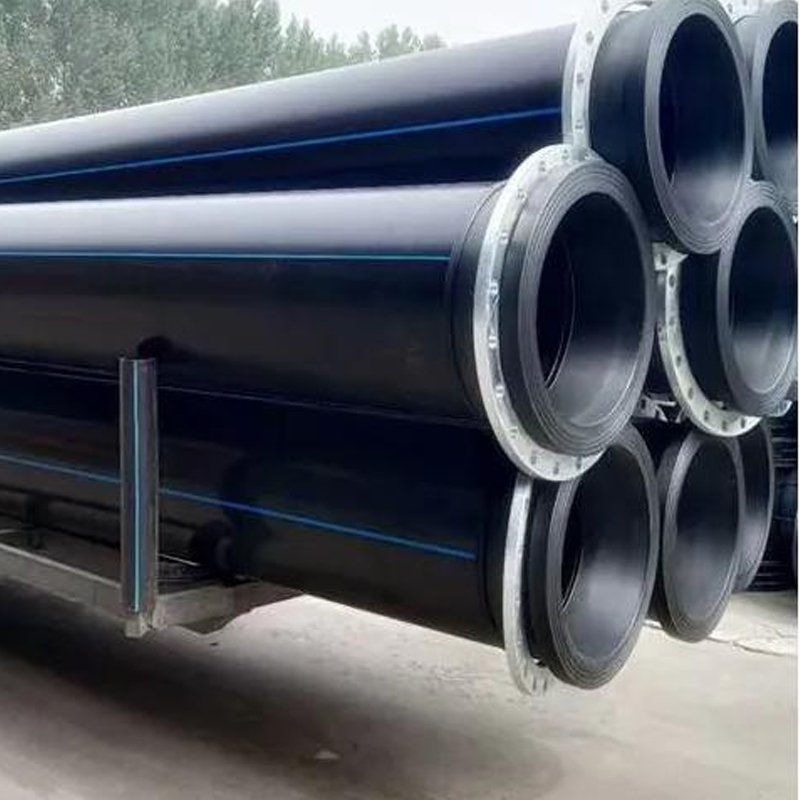
Inner Armor Dredging Rubber Hoses: Characteristics, Applications and Selection Guide
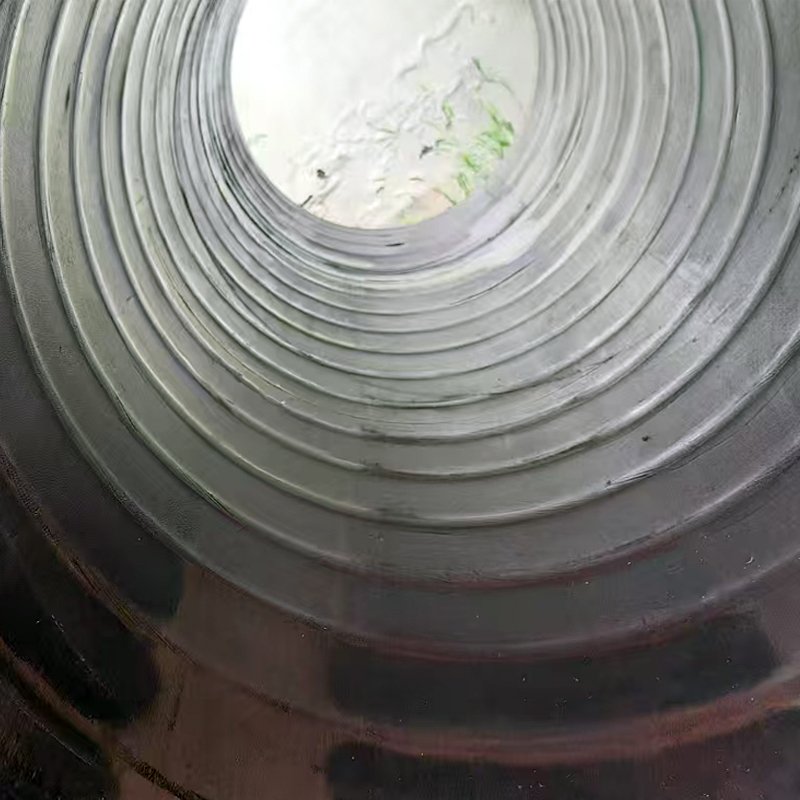
Inner Armor Dredging Rubber Hose (also known as Inner Armored Slurry Rubber Hose) is a wear-resistant pipe with metal armor embedded in the inner wall of the rubber hose. It is mainly used for conveying solid-liquid mixtures such as abrasive mud, gravel, etc. Its core value lies in maintaining the inherent flexibility of the rubber hose while significantly enhancing the pipe’s wear resistance through the built-in metal armor, making it particularly suitable for scenarios involving the conveyance of hard materials such as coral reefs and gravel.
The following table systematically organizes the main application fields of this pipeline and the corresponding typical transported media, facilitating a quick understanding of its scope of application:
Application Fields/Typical conveying media
Port and Channel Dredging:Silt, clay, sand, coral reefs, gravel, etc.
Offshore Engineering Construction:Sediment mixture for land reclamation by filling and artificial island construction
Other industrial fields:Pulp and tailings in mining/construction industries, industrial sludge, and wastewater
🛠️ Core Features and Significant Advantages
In addition to its wide range of application scenarios, the inner armor structure endows the pipeline with multiple key performance advantages, which are specifically as follows:
Excellent wear and impact resistance: The built-in metal armor layer can directly withstand the impact and friction of sharp and hard materials (such as coral reefs, gravel, and weathered granite). Relevant research data shows that its service life is 3-5 times higher than that of ordinary rubber hoses.
Excellent flexibility and pressure adaptability: The composite structure of ‘rubber matrix + built-in armor’ enables it to maintain good bendability while enhancing performance, allowing it to adapt to complex conditions such as pipeline connection requirements, hull vibrations, and changes in seabed topography.
Wide operating condition adaptability: In accordance with national standards, this type of pipeline is suitable for environmental temperature ranges from -20°C to +60°C. It can transport media with densities ranging from 1.0 g/cm³ to 2.3 g/cm³, meeting the transportation requirements of different media such as seawater, freshwater, and high-density mud-sand mixtures.
📋 Selection and Application Notes
To ensure the pipeline operates efficiently and safely, the following key points should be focused on during selection and use:
Accurately matching medium characteristics: It is necessary to clearly define core parameters such as the specific composition, particle size, hardness, and density of the material to be transported. Among these, transporting materials containing a large amount of sharp gravel is a typical advantageous application scenario for this type of inner-armored pipe.
Focus on key performance parameters:
Work Pressure: It needs to meet the maximum pressure requirements of the pumping system and avoid overpressure operation.
Nominal Diameter (DN): Common specifications include DN200, DN300, DN400, DN500, etc. It is necessary to select the appropriate model reasonably based on the actual conveying flow rate.
Length and Connection Method: The product is usually equipped with standard flange interfaces. When selecting, it is necessary to confirm compatibility with the existing pipeline system.
Standardized use and regular maintenance:
Proper installation: Connect strictly in accordance with installation specifications to ensure good sealing performance and prevent medium leakage.
Regular inspections: It is recommended to establish a routine inspection system, with particular attention paid to the inner wall condition of easily worn parts such as bends and interfaces, as well as whether there are issues like aging, damage, or cuts in the outer rubber layer.
Safe Operation: In high-pressure scenarios such as dredging, strict adherence to safe operating procedures must be observed to ensure the safety of personnel and equipment.
If you could provide specific engineering application fields or information about the medium to be processed, we can further offer you targeted selection and usage recommendations.