How to Select an Expansion Joint
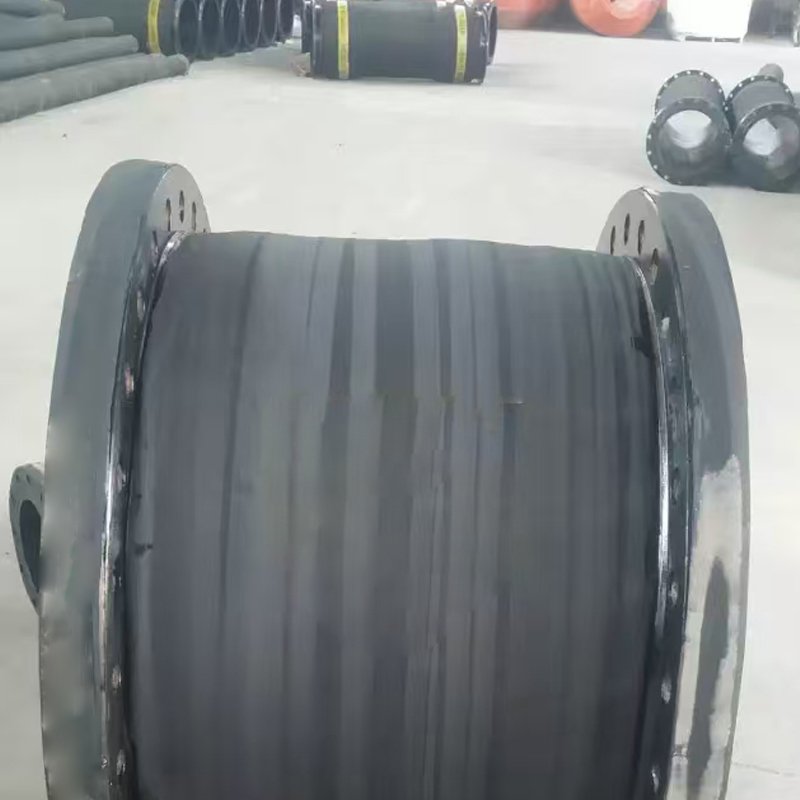
An expansion joint (also known as an expansion loop or bellows) is a flexible component used in piping systems to accommodate displacement and deformation caused by thermal expansion, mechanical vibrations, or foundation settlement.
Key Factors for Selecting an Expansion Joint:
1. System Parameters
– Medium Characteristics: Temperature, pressure, chemical properties (corrosiveness)
– Displacement Requirements: Axial, lateral, angular displacement
– Flow Rate: High-speed flow may require special design
– Vibration Frequency: Different for dynamic and static applications
2. Type Selection
– Metallic Expansion Joints:
– Bellows Type (most common)
– Hinged Type (for angular displacement)
– Universal Type (for multi-directional displacement)
– Pressure Balanced Type (for high-pressure systems)
– Non-Metallic Expansion Joints:
– Rubber Expansion Joint (good corrosion resistance and vibration damping)
– Fabric Expansion Joint (suitable for large displacements and low temperatures)
3. Material Selection
– Stainless Steel (e.g., 304, 316, good corrosion resistance)
– High-Temperature Alloys (e.g., Inconel, for extreme temperatures)
– Rubber (e.g., EPDM, NBR, based on medium)
– PTFE (for highly corrosive media)
4. Installation Considerations
– Space limitations
– Pipe support requirements
– Accessibility for maintenance
5. Standards and Certifications
– EJMA (Expansion Joint Manufacturers Association standard)
– ASME B31.3 (Process Piping)
– ISO 15348 (International Standard)
Professional Advice:
1. Consult a professional engineer for detailed calculations
2. Consider lifespan and replacement cycle
3. Evaluate cost-effectiveness of different options
4. Choose manufacturers with qualifications and experience