How to distinguish the quality of cable floats
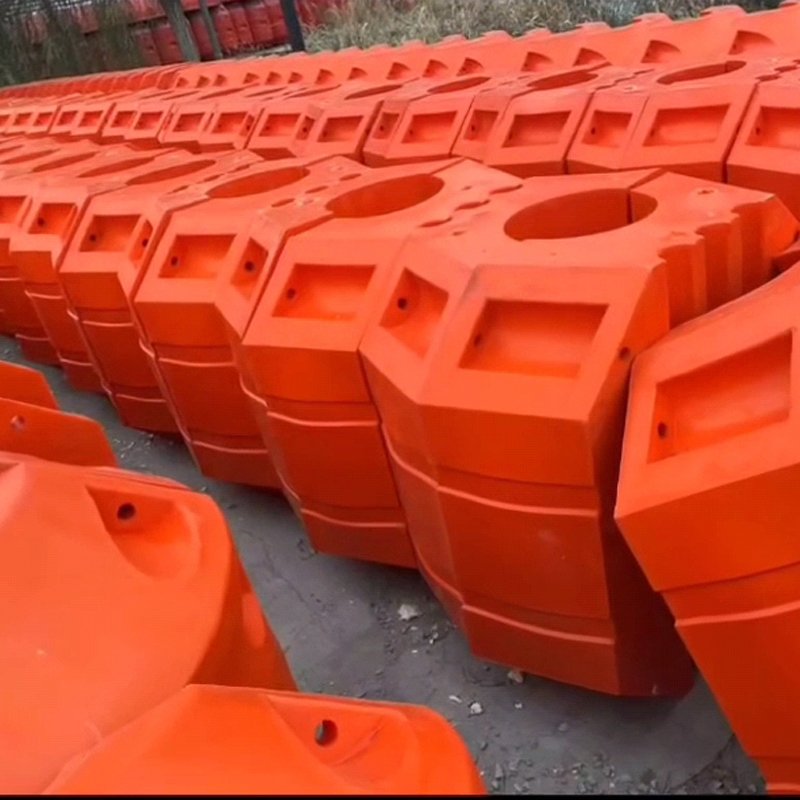
The quality of cable floats (also known as cable buoys or float markers) directly affects their service life and performance. Here are several key points to identify good cable floats:
1. Material Quality
– High-quality materials: Good cable floats usually use high-density polyethylene (HDPE) or polyurethane (PU) materials, which have corrosion resistance and anti-aging properties.
– Poor-quality characteristics: Thin material, light weight, impurities on the surface, or uneven color.
2. Structural Design
– Good design: Streamlined design reduces water flow resistance, with reinforced internal structures.
– Poor-quality characteristics: Simple structure without support, easy to deform or break.
3. Buoyancy Performance
– High-quality standard: Buoyancy should be more than five times the self-weight, able to maintain buoyancy over time.
– Testing method: A simple buoyancy test can be performed to observe its load-bearing capacity and stability.
4. Sealing Performance
– High-quality standard: Completely sealed, no leakage, with fine seam treatment.
– Inspection method: Pressure testing or long-term soaking to check for water ingress.
5. Weather Resistance
– High-quality characteristics: UV resistance, stable performance at high and low temperatures (-30°C to +60°C).
– Poor-quality characteristics: Easy to fade, become brittle, and crack after sun exposure.
6. Accessories Quality
– High-quality floats’ hooks, connectors, etc., should be made of stainless steel or anti-corrosion materials.
7. Certification Standards
– Check for relevant industry certifications (such as CE, ISO, etc.).
– Compliance with IEC, IEEE, and other cable float-related standards.
When purchasing, it is recommended to choose products from well-known brands and request material certificates and performance test reports from suppliers. For bulk purchases, sampling tests can be conducted first.