How to distinguish the quality of buoy materials
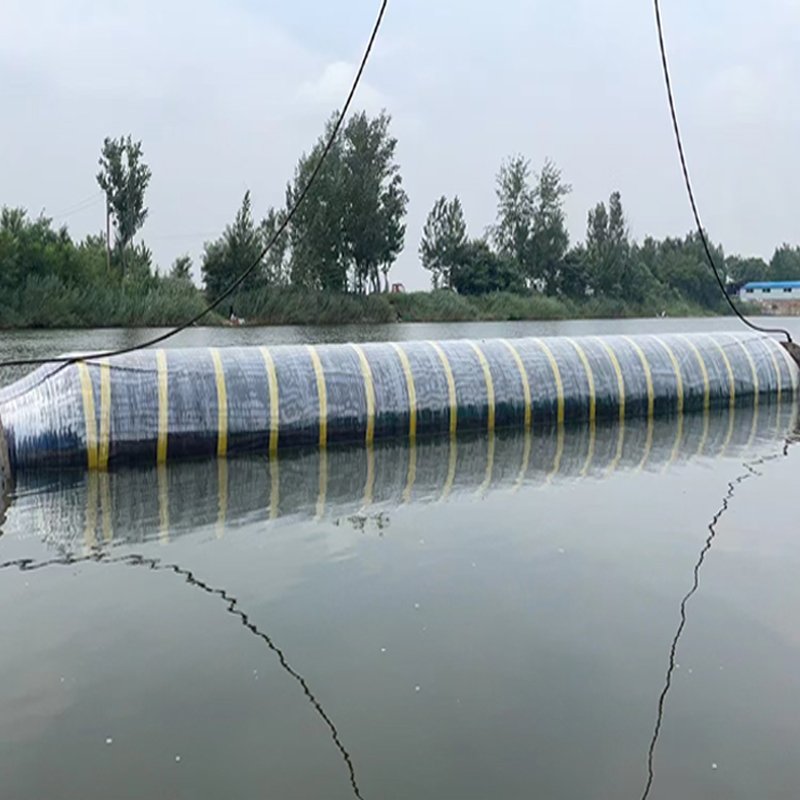
To evaluate the quality of buoy materials, consider several factors including density and buoyancy performance, weather resistance and anti-aging properties, and mechanical strength. Key evaluation criteria include low density and high buoyancy for superior materials, durability against UV, temperature (-30°C to +70°C), and salt fog, ensuring at least a 10-year lifespan. Mechanical strength should be assessed for compression resistance, impact resistance, and wear resistance, with good materials maintaining shape and integrity under long-term immersion and stress.
Common buoy materials comparison:
Material Type | Advantages | Disadvantages | Suitable Applications
—|—|—|—
Polyethylene (PE) | Low cost, easy processing | Poor UV resistance, prone to aging | Short-term use, freshwater environments
Polyurethane (PU) | High elasticity, impact resistance | Higher cost | Applications requiring cushioning
Expanded Polystyrene (EPS) | High buoyancy, lightweight | Fragile, not oil-resistant | Single-use or short-term applications
Fiberglass Reinforced Plastic (FRP) | High strength, durable | Heavy, high cost | Long-term marine environments
High-Density Polyethylene (HDPE) | Excellent weather resistance | Difficult to process | Long-term marine engineering projects
Practical testing methods include visual inspection for surface smoothness, uniform color, and absence of bubbles, cracks, or impurities; physical tests such as 72-hour water absorption test (should be <3%), accelerated UV aging test, and load test (bearing 125% of design weight for 24 hours); and certification verification by checking relevant certifications (e.g., CE, ISO) and requesting material composition reports and property tables. Selection of buoy materials should be based on specific usage environments (freshwater/seawater), expected lifespan, and budget, with third-party testing recommended for critical applications.