How to choose armored rubber hoses
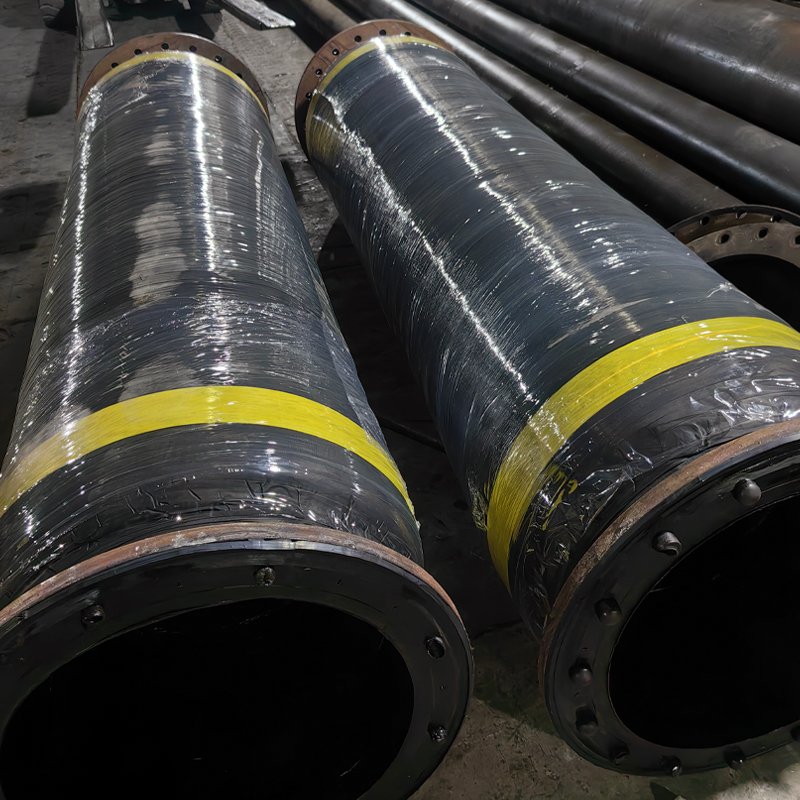
When selecting armored rubber hoses, consider the application scenario, performance requirements, and environmental conditions. Here are key steps and considerations:
1. Clarify usage needs:
– Medium type: Confirm the conveyed medium (water, oil, chemicals, gases, etc.) to ensure compatibility between the rubber material and the medium.
– General media: Options include natural rubber (NR) and styrene-butadiene rubber (SBR).
– Oils/chemicals: Choose oil-resistant nitrile rubber (NBR), chloroprene rubber (CR), or fluororubber (FKM).
– High-temperature environments: Use ethylene propylene diene monomer (EPDM) or silicone rubber.
– Pressure rating: Select the armor layer type based on working pressure.
– Low pressure: Spiral steel wire armor (flexible, suitable for dynamic bending).
– High pressure: Braided steel wire or multi-layer armor (enhanced pressure resistance).
– Temperature range: Confirm the temperature limits of the rubber material and armor layer (e.g., -40°C to +120°C).
2. Armor layer selection:
– Steel wire armor:
– Spiral steel wire: Suitable for flexible applications (e.g., mobile equipment).
– Braided steel wire: Strong pressure resistance, suitable for high-pressure static applications (e.g., hydraulic systems).
– Fiber armor (e.g., polyester fiber): Lightweight, corrosion-resistant, suitable for medium-low pressure and non-extreme environments.
– Stainless steel wire armor: Used in corrosive environments or food/pharmaceutical industries.
3. Structural parameters:
– Inner diameter (ID): Choose based on flow requirements, ensuring compatibility with pipe connections.
– Wall thickness: Affects pressure resistance and wear resistance; thicken for high-pressure or wear-prone environments.
– Outer layer material: Should be abrasion-resistant and UV-resistant (e.g., CR or chlorosulfonated polyethylene).
4. Certification and standards:
– Industry standards: Compliance with ISO, DIN, SAE, GB, etc. (e.g., SAE 100R series for hydraulic hoses).
– Special certifications: Food-grade (FDA), flame-retardant (UL), anti-static (ATEX), etc.
5. Environmental adaptability:
– Outdoor/UV exposure: Choose UV-resistant outer layers or add protective covers.
– Corrosive environments: Stainless steel armor or fluororubber.
– Dynamic use: Design for high bend cycles to avoid armor fatigue and breakage.
6. Brand and supplier:
– Quality assurance: Choose reputable brands (e.g., Gates, Goodyear, Manuli).
– After-sales service: Ensure technical support and warranty availability.
7. Cost consideration:
– Budget constraints: Balance costs while meeting performance requirements (e.g., fiber armor is cheaper than steel wire).
– Lifecycle: High-quality products may have higher initial costs but lower long-term maintenance costs.
Example application scenarios:
– Construction machinery hydraulic hose: High-pressure braided steel wire armor + NBR inner rubber, compliant with SAE 100R2AT.
– Chemical transfer hose: Stainless steel armor + FKM rubber, resistant to acids, alkalis, and high temperatures.
– Food industry: Contamination-free white EPDM rubber + stainless steel armor, FDA-certified.
Notes:
– Installation method: Avoid excessive bending or twisting, as damaged armor reduces pressure resistance.
– Regular inspection: Check for outer layer cracking, exposed armor, or swelling, and replace promptly.
By following these steps, you can systematically select the most suitable armored rubber hose, ensuring safety and cost-effectiveness. For special requirements, consult professional suppliers or engineers.